Home Ear Care: Safe Practices, Common Mistakes, and What Actually Works
When it comes to home ear care, the simple, daily habits you use to maintain ear health without medical intervention. Also known as ear hygiene, it’s not about cleaning deep inside your ear canal—it’s about knowing what to leave alone and what to gently manage. Most people think they need to clean their ears daily, but your ears are self-cleaning. Wax naturally moves out on its own, and inserting anything deeper than your fingertip can push wax in, damage your eardrum, or trigger infections.
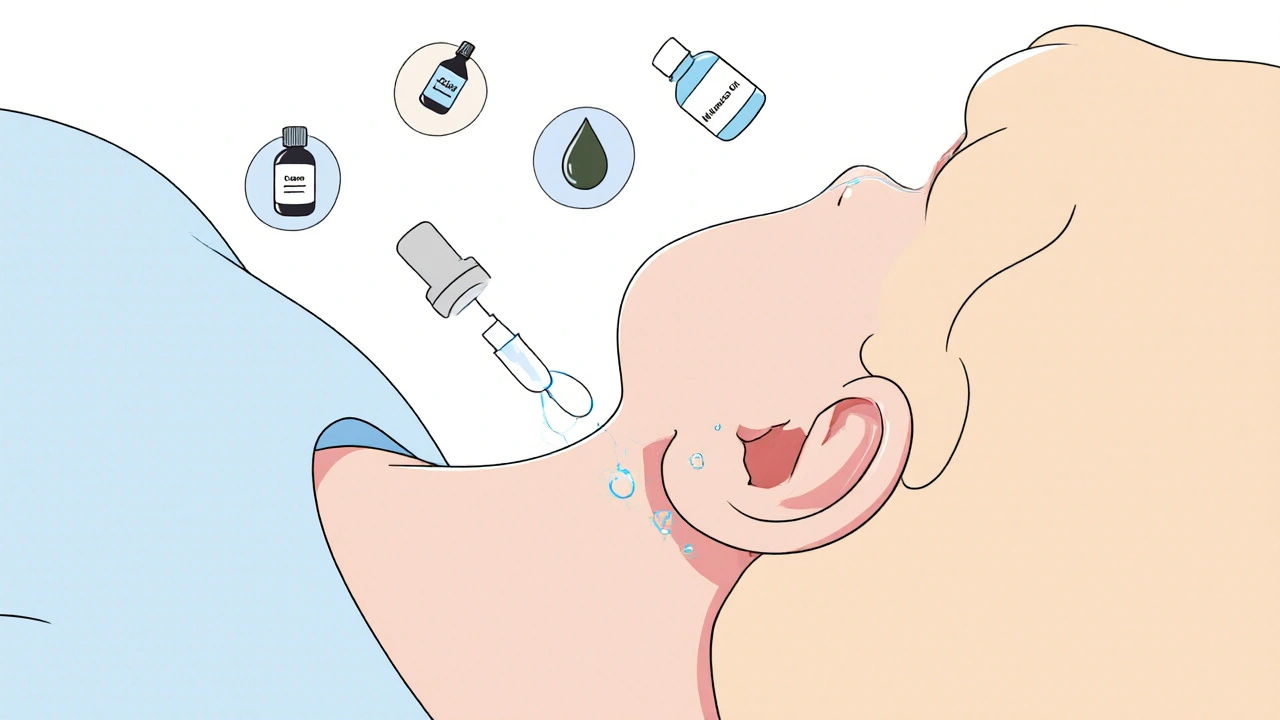
Earwax removal, the process of clearing excess cerumen without harming the ear canal. Also known as cerumen management, it’s one of the most misunderstood parts of ear care. If you feel blocked or muffled, don’t reach for a cotton swab. That’s the #1 mistake. Instead, try a warm shower—water and steam help loosen wax. Or use a few drops of mineral oil or over-the-counter ear drops. If it doesn’t clear in a few days, see a doctor. They can safely flush it out or use a tiny tool. Never use ear candles—they don’t work, and they’ve burned people’s ears and faces.
Ear infection symptoms, signs like pain, pressure, drainage, or hearing loss that signal an infection inside or around the ear. Also known as otitis, these can be bacterial or viral. Kids get them often, but adults do too—especially after swimming or using earbuds too much. If you have pain that lasts more than a day, fever, or fluid draining from your ear, don’t wait. Over-the-counter pain relievers help with discomfort, but antibiotics won’t fix a viral infection. And never put oil, alcohol, or vinegar in your ear unless a doctor says it’s safe. Some infections need prescription drops, others need time. Knowing the difference saves you from worsening the problem.
Most home ear care fails because people confuse cleaning with curing. You don’t need to remove all wax. Wax protects your ear from dust, bugs, and bacteria. Removing it too often dries out your skin and causes itching—then you scratch, and that’s when infections start. The real goal? Keep your ears dry after showers, avoid inserting objects, and watch for changes. If your hearing drops suddenly, or you hear ringing that won’t go away, that’s not normal. That’s a signal to get checked.
There’s no magic solution for ear care. No miracle oils, no sonic cleaners, no DIY tools that are safer than what a professional uses. What works is simple: patience, observation, and knowing when to stop. You’ll find real advice here—not myths, not product pushes, not viral hacks. Just clear, tested ways to protect your ears at home. What you’ll see below are posts that cut through the noise: how to handle earwax safely, why cotton swabs are dangerous, what ear drops actually do, and how to tell if your ear pain is something serious. No fluff. No guesses. Just what works.