
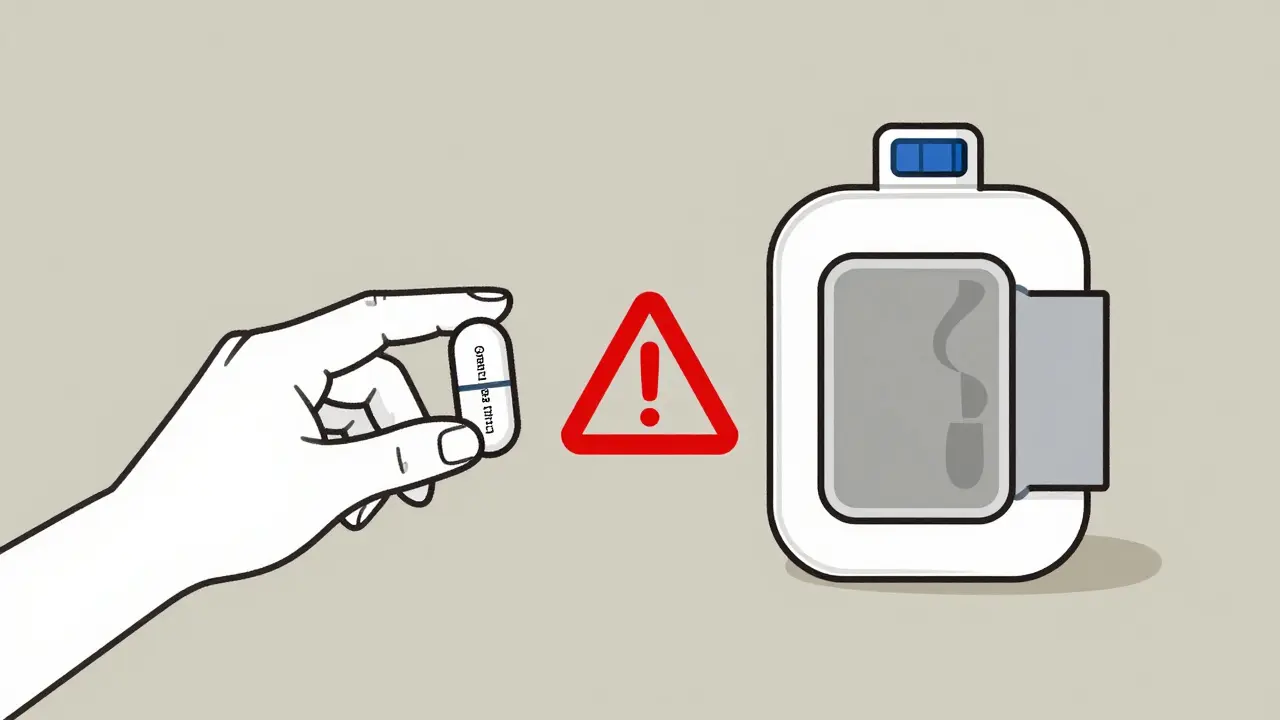
Green tea extract is everywhere-shelves at the grocery store, supplement aisles, online ads promising weight loss, glowing skin, and longer life. But behind the hype is a quiet danger: it can mess with your medications in ways you might never expect. If you’re taking anything for your heart, blood pressure, cancer, or even ADHD, drinking green tea extract could be making your pills less effective-or worse, dangerously strong.
What’s Actually in Green Tea Extract?
Green tea extract isn’t just brewed tea in a capsule. It’s a concentrated form of the plant’s active compounds, especially a catechin called EGCG (epigallocatechin gallate). A single cup of brewed green tea has about 50-100 mg of EGCG. But a typical supplement? That’s 250-500 mg. Some go as high as 800 mg per serving. That’s five to ten times more than what you get from tea. It also contains caffeine-30 to 50 mg per cup of tea, but up to 100 mg or more in extracts. That’s like drinking two or three cups of coffee in one pill. And while people think "natural" means safe, that’s not true when it comes to how your body processes medicine.The Real Problem: How It Interferes With Drugs
Your body uses special proteins called transporters and enzymes to absorb, move, and break down medications. Green tea extract, especially EGCG, blocks some of these. Caffeine adds another layer by stimulating your nervous system. Together, they create a double hit. Here’s what happens with real medications:- Nadolol (Corgard): Green tea extract cuts absorption by 83%. That means your blood pressure medication barely works. Patients end up with uncontrolled hypertension because they think they’re taking it right.
- Atorvastatin (Lipitor) and Rosuvastatin (Crestor): These cholesterol drugs drop in effectiveness by 30-40%. You might think your cholesterol is under control, but your bloodwork tells a different story.
- Bortezomib (Velcade): Used for multiple myeloma, this cancer drug binds directly to EGCG. Studies show its effectiveness drops by half. Patients on this treatment who take green tea extract have higher relapse rates.
- 5-Fluorouracil: A chemotherapy drug. Green tea extract slows its breakdown, raising blood levels by 35-40%. That can mean severe side effects-nausea, mouth sores, even bone marrow damage.
- Imatinib (Gleevec): Another cancer drug. Green tea reduces its absorption by 30-40%. That’s not a small drop-it can mean the difference between remission and progression.
- Lisinopril: This blood pressure pill’s absorption drops by 25%. Again, patients think their meds are working. They’re not.
- Beta-agonists (like albuterol): Used for asthma. Combine with green tea’s caffeine, and your heart rate can spike 20-30 beats per minute. That’s not just jitteriness-it’s risk of arrhythmia.
- Warfarin (Coumadin): Even though not directly proven to affect INR in all cases, studies show green tea extract can cause unpredictable bleeding or clotting. One hospital review found 18% of unexplained INR spikes linked to green tea supplements.
Why This Isn’t Just a "Maybe"
Some people say, "I drink green tea all the time and nothing happened." That’s true-for brewed tea, the risk is low. But supplements? That’s a different story. A 2015 review compared green tea extract to other popular herbs. It had 3.2 times more documented drug interactions than ginkgo biloba and 5.7 times more than milk thistle. Why? Because it hits two systems at once: transporter blocking + caffeine stimulation. And here’s the scary part: most people don’t know they’re at risk. Only 12% of green tea extract products on the market mention drug interactions on the label. The FDA says they should. But enforcement is weak. In 2022, the FDA sent out 17 warning letters to manufacturers for failing to warn consumers. By early 2023, only 29% had fixed it.
Who’s Most at Risk?
You’re at higher risk if you:- Take medications with a narrow therapeutic index-meaning the difference between a helpful dose and a toxic one is tiny. That includes warfarin, digoxin, lithium, and most chemotherapy drugs.
- Are over 65 and take five or more medications. By 2030, nearly half of older adults will be in this group.
- Have cancer, heart disease, or high blood pressure. These are the conditions where green tea extract interacts most dangerously.
- Use supplements for "detox," "anti-aging," or "immune support" without talking to a doctor.
What You Should Do
If you’re taking any prescription medication, here’s what to do:- Stop taking green tea extract if you’re on bortezomib, chemotherapy, or blood thinners. The risk isn’t worth it.
- If you drink brewed green tea, limit it to 1-2 cups a day. That’s under 100 mg caffeine and under 100 mg EGCG-low enough to be safe for most people.
- Separate your supplement and medication by at least 4 hours. Studies show this cuts interaction risk by 60%. Don’t take your pill and your extract at the same time.
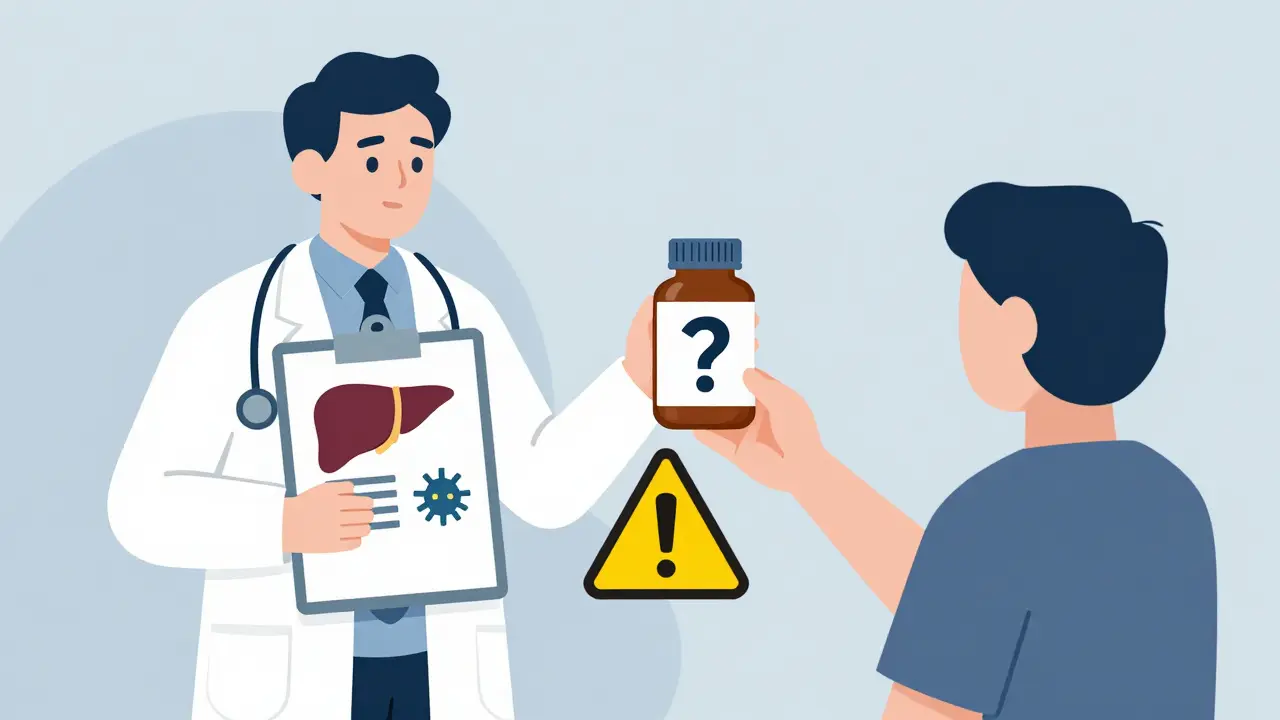
- Always tell your doctor or pharmacist what supplements you’re taking-even if you think they’re harmless. Write it down. Bring the bottle.
- Check the label. If the supplement doesn’t list EGCG content, avoid it. You can’t manage risk if you don’t know the dose.
What About Green Tea Itself?
Drinking brewed green tea is generally safe for most people on medication-unless you’re drinking 5-6 cups a day. The key is concentration. Supplements are designed to deliver a high, consistent dose. Tea is diluted. That’s why a cup of tea won’t stop your statin from working, but a capsule might. Still, if you’re on warfarin or a sensitive heart medication, even brewed tea can cause small fluctuations. Talk to your doctor. Get your INR checked if you start or stop drinking it regularly.The Bigger Picture
The green tea extract market is worth over $2 billion and growing fast. More cancer survivors, aging populations, and wellness trends are pushing sales. But regulation hasn’t kept up. Under the Dietary Supplement Health and Education Act of 1994, companies don’t need to prove safety before selling. They just need to say "this isn’t medicine." That’s a loophole. And people are getting hurt. The FDA now lists green tea extract as a "high-priority substance" for interaction warnings. The European Medicines Agency added 12 new interactions in early 2023-including one with the blood thinner dabigatran (Pradaxa), which can lose 18-22% effectiveness. This isn’t about fear. It’s about awareness.Final Thought
Natural doesn’t mean safe. Just because something comes from a plant doesn’t mean your body treats it like food. Green tea extract is a powerful bioactive compound-and like any drug, it can interfere with others. If you’re on medication, don’t guess. Ask. Check. Protect yourself.Can I drink green tea while taking blood pressure medication?
You can drink 1-2 cups of brewed green tea per day with most blood pressure medications, but avoid green tea extract supplements. Extracts can reduce absorption of drugs like nadolol and lisinopril by 25-83%, making them less effective. If you’re on beta-blockers or ACE inhibitors, talk to your doctor before drinking more than one cup daily.
Does green tea extract interfere with cholesterol meds like Lipitor?
Yes. Studies show green tea extract reduces absorption of atorvastatin (Lipitor) by up to 40% and rosuvastatin (Crestor) by up to 25%. This can leave your cholesterol uncontrolled even if you’re taking your pill regularly. Avoid supplements if you’re on statins. Brewed tea in moderation is usually okay.
Is green tea extract safe during chemotherapy?
No. Green tea extract can interfere with several chemotherapy drugs, especially bortezomib (Velcade), reducing its effectiveness by up to 50%. It can also increase levels of 5-fluorouracil, leading to dangerous side effects. Oncology guidelines strongly advise avoiding all green tea supplements during cancer treatment. Stick to water or clear fluids unless your doctor says otherwise.
Why don’t supplement labels warn about drug interactions?
Under U.S. law, dietary supplements don’t need FDA approval before sale, and manufacturers aren’t required to list drug interaction warnings. Only 12% of green tea extract products currently include these warnings, despite FDA guidance. The FDA has issued warning letters to companies for failing to label risks, but enforcement is inconsistent. Always assume a supplement could interact with your meds unless proven otherwise.
Can green tea extract cause heart palpitations?
Yes. Green tea extract contains caffeine-and sometimes a lot of it. When combined with stimulants like Adderall, albuterol, or even thyroid meds, it can spike your heart rate by 20-30 beats per minute. Many users report palpitations, anxiety, or dizziness. If you feel your heart racing after taking a green tea supplement, stop it immediately and talk to your doctor.
How long should I wait between taking green tea extract and my medication?
Wait at least 4 hours. Pharmacokinetic studies show this reduces interaction risk by about 60%. Don’t take your supplement and your pill together. For high-risk drugs like bortezomib or warfarin, avoid green tea extract entirely. For others, spacing them out helps-but always check with your pharmacist.
Are there any safe green tea supplements?
There’s no such thing as a "safe" green tea extract if you’re on medication. Even low-dose versions can interfere. The only safe option is to avoid supplements entirely. If you want the benefits of green tea, stick to brewed tea-1-2 cups a day-and avoid anything labeled "extract," "concentrated," or "high-potency."
Comments (13)
I took green tea extract for months thinking it was just a healthy boost. Then I started having weird heart flutters. My doctor asked if I was on anything new and I mentioned it. He nearly lost it. Turns out I was on beta-blockers. Never again. Just drink tea. No capsules.
My mom’s on warfarin and started taking one of those ‘anti-aging’ green tea pills after seeing an ad. One week later, she was in the ER with a weird bruise on her thigh. Turned out her INR was through the roof. They told her to stop everything. She still doesn’t get why ‘natural’ =/= safe. I printed out this whole post and taped it to her fridge.
So let me get this straight - we’re scared of a plant extract but we’ll swallow a pill full of synthetic chemicals made in a lab with zero oversight? The real danger isn’t green tea - it’s the system that lets Big Pharma scare us into trusting them while ignoring nature. Wake up. This is fear-mongering dressed as science.
I’m a pharmacist and I see this every day. Patients come in with five supplements, no idea what’s in them, and act like it’s no big deal when they’re on five meds. Green tea extract is one of the top three hidden dangers we find. Most people don’t even know EGCG is the culprit. Just say ‘no’ to concentrated extracts. Brewed tea? Fine. Capsules? No. Just say no.
If you’re on chemo or heart meds and you’re still taking green tea extract, you’re not just being careless - you’re playing Russian roulette with your life. There’s no ‘maybe’ here. The data is clear. The FDA has warned them. The studies are published. You’re not special. You’re not immune. Stop. Just stop. Your doctor didn’t sign up to clean up your supplement mess.
my dr told me to stop it. i did. no more palpitations. easy fix.
Thank you for writing this. I’ve been trying to tell my sister for months that her ‘detox tea’ pills are messing with her blood pressure meds. She thinks I’m overreacting because it’s ‘natural.’ I’m sharing this with her right now. People need to know this isn’t just a theory - it’s happening to real people every day. Please keep spreading awareness.
So… if I take my Lipitor at 8am and my green tea extract at noon, I’m good? Just wait 4 hours? That’s it? No blood tests? No warnings on the bottle? This feels like someone forgot to put a warning label on a chainsaw.
My oncologist flat-out banned green tea extract after my bortezomib treatment started. Said if I took it, I was basically sabotaging my own care. I didn’t believe it until I read the study he showed me. Now I drink one cup of tea a day and feel fine. But I’d never touch a capsule again. Not worth it.
OMG, I JUST BOUGHT A BOTTLE OF THIS!! I’M SO SORRY, I THOUGHT IT WAS LIKE DRINKING TEA!! I’M GOING TO THROW IT OUT RIGHT NOW!! THANK YOU FOR THIS POST!! I’M TELLING EVERYONE!!
Let’s step back for a moment. The real issue isn’t green tea extract - it’s the commodification of wellness culture. We’ve turned nature into a product, then sold it back to us with promises of immortality. We’ve forgotten that plants evolved to interact with our biology - sometimes beautifully, sometimes violently. The extract isn’t evil; it’s a mirror. It shows us how disconnected we’ve become from the wisdom of moderation. One cup of tea is harmony. A 500mg capsule is arrogance. The real question: Are we healing ourselves… or trying to hack evolution?
Green tea extract is the quiet assassin of modern supplement culture - it doesn’t scream, it doesn’t sparkle, it doesn’t have glitter in the bottle… it just sits there, silent, waiting for your statin to show up, then it grabs the mic and says ‘not today, buddy.’ And you? You’re just trying to glow. You didn’t know you were signing up for a biochemical tug-of-war. Now you do. Don’t let your next cup of tea be your last conscious breath.
Why are Americans so scared of natural things? In India, we’ve been drinking green tea for centuries with our medicine. My grandfather took blood pressure pills and drank three cups a day. He lived to 92. This is just fear-mongering from Big Pharma to sell more drugs. Stop overcomplicating things.