
CoQ10 and Statins: What You Need to Know About This Common Drug Interaction
When you take a statin, a class of drugs prescribed to lower cholesterol and reduce heart attack risk. Also known as HMG-CoA reductase inhibitors, these medications work by blocking a key enzyme in your liver that makes cholesterol. But many people on statins start taking CoQ10, a naturally occurring compound your body uses to produce energy in cells, especially in the heart and muscles. Also known as ubiquinone, it’s sold as a supplement to help with fatigue and muscle soreness. The connection? Statins lower not just cholesterol but also CoQ10 levels—sometimes enough to cause muscle aches, weakness, or cramps. That’s why so many patients and doctors reach for CoQ10 supplements.
It sounds simple: take CoQ10 to fix the side effect statins cause. But here’s the catch—studies don’t all agree. Some small trials show CoQ10 reduces muscle pain in people on statins. Others, including larger, more rigorous ones, find no real benefit over placebo. The FDA doesn’t require CoQ10 supplements to prove they work like drugs do. So while your pharmacist might say it’s harmless, and your friend swears by it, there’s no solid proof it’s a cure-all. What we do know: if you’re on a statin and feel your legs are heavy, your arms tired, or you’re getting cramps at night, it’s not just in your head. Statins can interfere with mitochondrial energy production—and low CoQ10 might be part of why.
CoQ10 isn’t the only thing to watch. Other supplements like red yeast rice, garlic, or fish oil can also interact with statins. Even grapefruit juice can make some statins stronger and more dangerous. And if you’re taking more than one medication—for blood pressure, diabetes, or arthritis—you need to check for hidden combos. The real goal isn’t just to add CoQ10. It’s to understand whether your symptoms are from the statin, from something else, or from nothing at all. A simple blood test can check your muscle enzyme levels. A quick chat with your doctor about switching to a different statin—like pravastatin or fluvastatin, which are less likely to cause muscle issues—might help more than any pill.
What you’ll find in the posts below are real, practical guides from people who’ve been there: how to tell if your muscle pain is from statins, what doses of CoQ10 people actually use, whether it’s worth the cost, and which alternatives actually work. You’ll see comparisons between statins, stories about side effects, and tips on how to talk to your doctor without sounding like you’re chasing supplements off the internet. This isn’t about miracle cures. It’s about making smart, informed choices with real data—not hype.
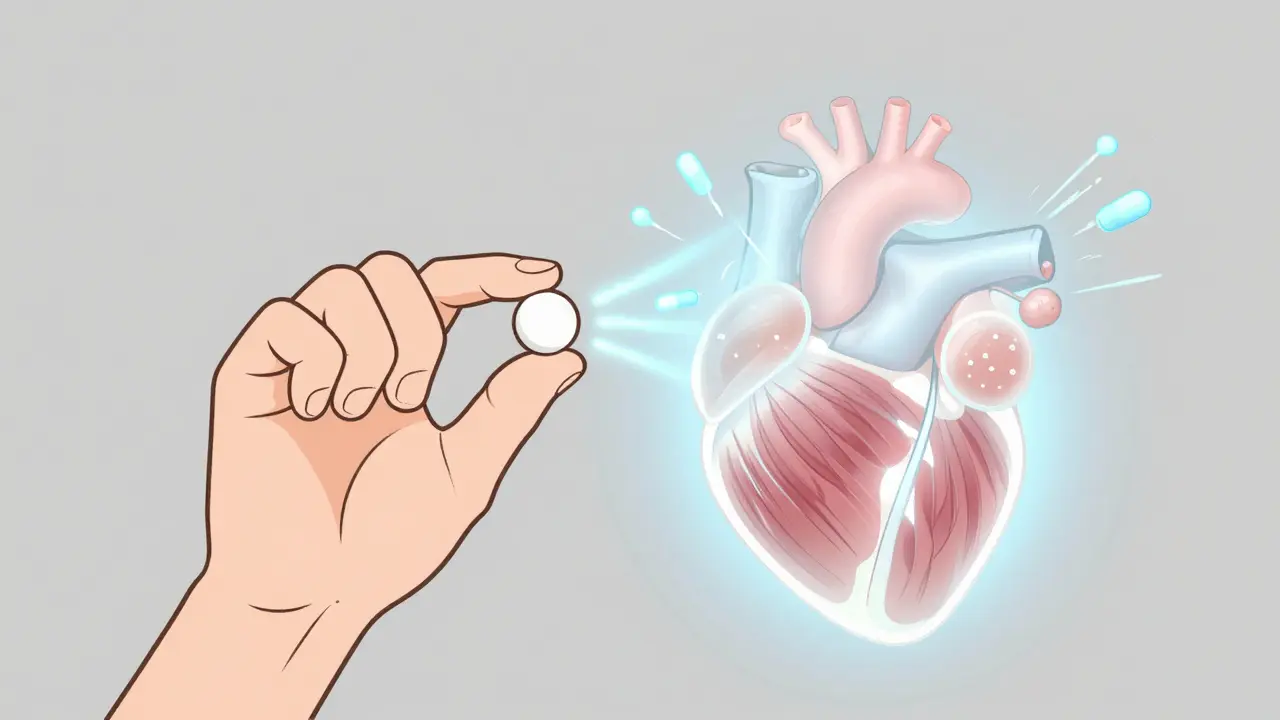
Coenzyme Q10 with Statins: Does It Help Muscle Pain?
