Diuretics and Lithium: Risks, Interactions, and What You Need to Know
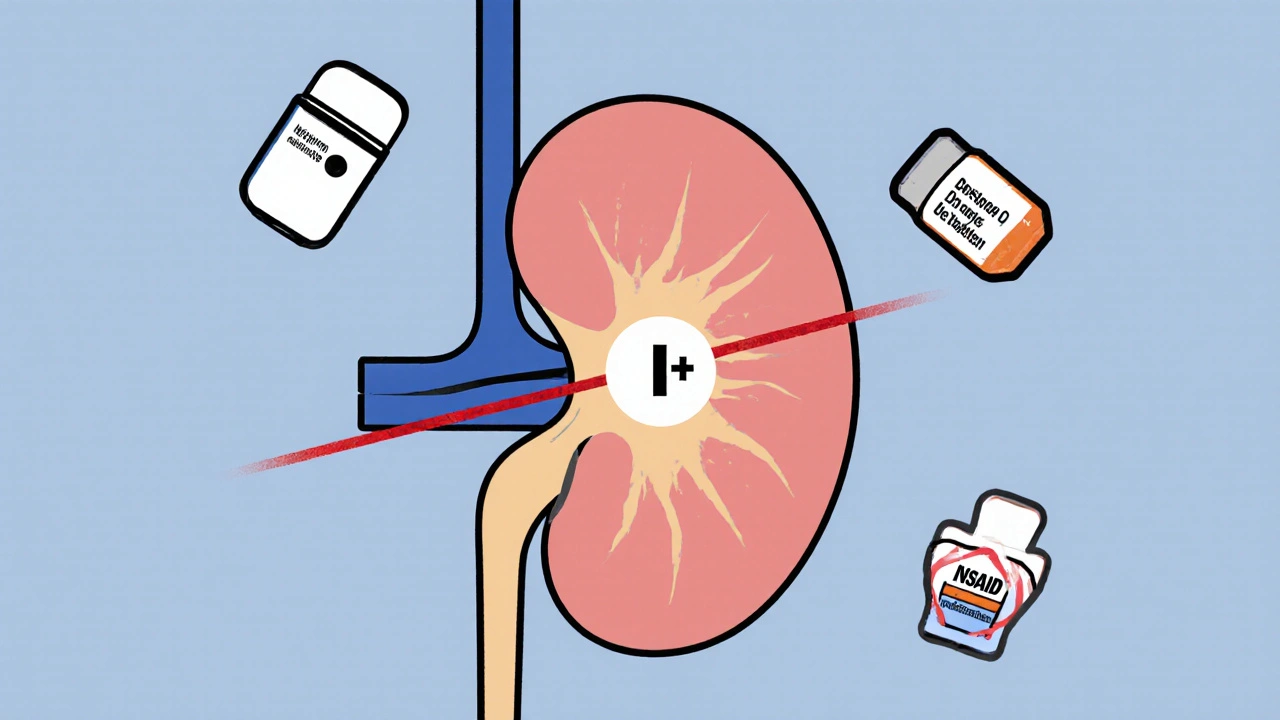
When you take diuretics and lithium, a combination that can spike lithium levels in your blood to dangerous levels. Also known as lithium toxicity risk, this interaction isn’t rare—it’s one of the most dangerous drug combos in psychiatric and heart care. Lithium is used for bipolar disorder, but it’s a narrow-margin drug. Too little doesn’t help. Too much can cause tremors, confusion, kidney damage, or even seizures. Diuretics, especially thiazides like hydrochlorothiazide, make your kidneys hold onto lithium instead of flushing it out. That’s why your doctor needs to know every pill you take.
This isn’t just about one drug. lithium toxicity, a life-threatening buildup of lithium in the body. Also known as lithium overdose, it often shows up slowly—fatigue, nausea, shaky hands, or frequent urination. These signs get ignored because they look like everyday problems. But when you’re on a diuretic for high blood pressure or swelling, your body’s lithium clearance drops by 25% to 40%. That’s not a small change. It’s enough to push you into danger zone without warning. People on long-term lithium therapy are especially vulnerable. Older adults, those with kidney issues, or anyone dehydrated from heat, illness, or too much caffeine are at higher risk. Even switching from one diuretic to another can trigger this. Furosemide? Less risky. Hydrochlorothiazide? High risk. Chlorthalidone? Just as bad. You can’t guess your way out of this.
There’s no magic fix, but there are clear steps. Your doctor should check your lithium blood levels every 3 to 6 months if you’re on a diuretic—not once a year. They should also test your kidney function and sodium levels. Sodium is key: low salt intake makes lithium stick around longer. Drinking less water? That’s a red flag. Many patients think cutting back on fluids helps with swelling, but it backfires with lithium. You need steady fluid intake, not less. And if you start a new medicine—even an OTC one like ibuprofen—tell your prescriber you’re on lithium. NSAIDs can also raise lithium levels. This isn’t about being paranoid. It’s about being smart.
What you’ll find in the posts below are real-world examples of how this plays out. You’ll see how people mistake lithium side effects for aging or stress. You’ll learn how labs catch the problem before it’s too late. You’ll find out why some doctors avoid diuretics entirely when lithium is involved, and what alternatives they use instead. No fluff. No theory. Just what works, what doesn’t, and what you need to ask your doctor before your next refill.