

Ever feel like you've just been to the bathroom, only to have that urgent need to go again ten minutes later? If you've recently started a new prescription, you might not be dealing with a bladder infection or just "getting older." It could be your medicine. Many common drugs for blood pressure, mood, and allergies can mess with how your bladder works, leading to bladder side effects that make your daily routine feel like a constant search for the nearest restroom.
| Medication Class | Common Examples | Primary Bladder Effect |
|---|---|---|
| Diuretics | Furosemide, Hydrochlorothiazide | Increased urine volume/frequency |
| Calcium Channel Blockers | Amlodipine, Verapamil | Impaired bladder contraction/Nocturia |
| Psychotropics | Venlafaxine, Lithium | Overactive bladder/Polyuria |
| Antihistamines | Diphenhydramine | Urinary retention/Overflow |
The "Water Pill" Effect: Diuretics and Frequency
If you're taking a Diuretic is a medication designed to increase the amount of water and salt removed from the body by the kidneys, you already know the drill. Whether it's Furosemide (often known as Lasix) or Hydrochlorothiazide, these drugs are literally designed to make you pee.
Here is what's happening inside: these drugs stop your kidneys from reabsorbing sodium. Since water follows salt, more fluid stays in the urine stream. This can increase your urine volume by as much as 50% within just two hours. When your bladder fills that quickly, it stretches the bladder wall, sending an urgent "emergency" signal to your brain. For many, this leads to a cycle where you're visiting the bathroom every hour. Data from the Cleveland Clinic shows about 65% of people on these meds deal with increased daytime frequency, and 40% struggle with nocturia-that frustrating need to wake up multiple times a night.
Blood Pressure Meds and the Nighttime Struggle
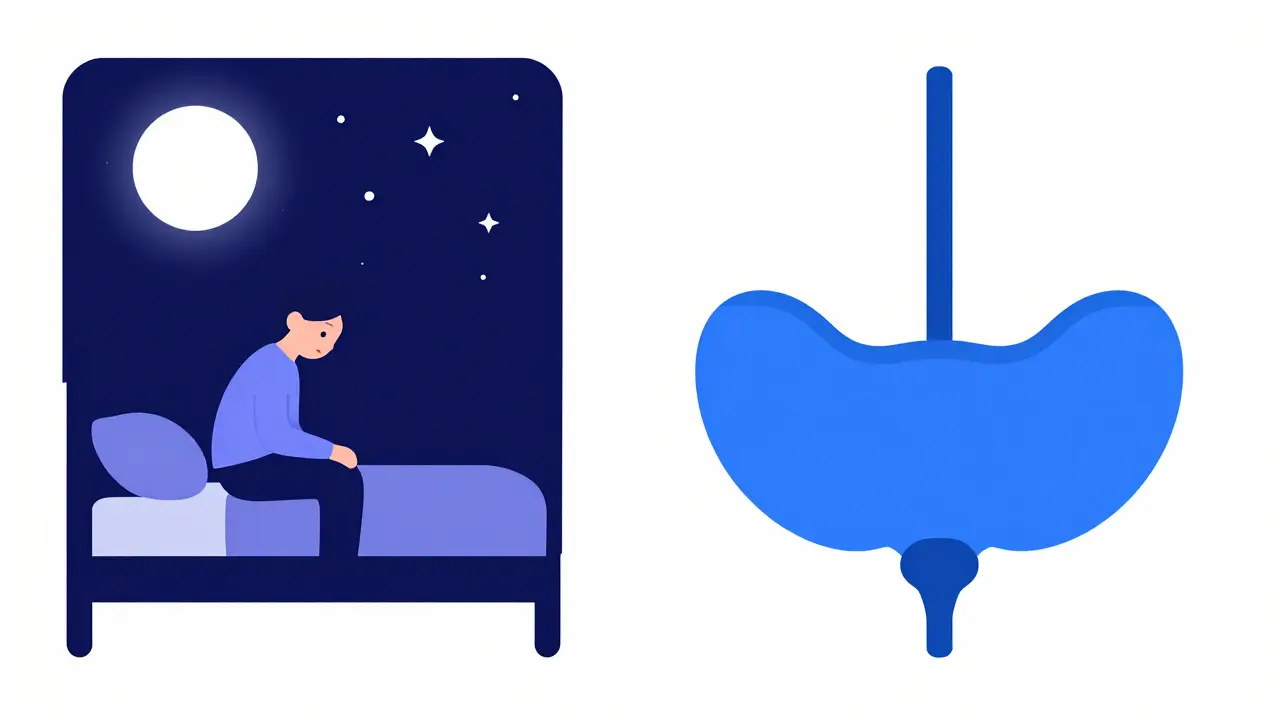
Not all blood pressure meds work the same way. Calcium Channel Blockers are antihypertensive drugs that relax the muscles of the heart and blood vessels, but they also affect the smooth muscles in your bladder. Examples include Amlodipine and Verapamil.
Unlike diuretics that just make more urine, these drugs can make it harder for your bladder to contract and empty fully. When your bladder doesn't empty completely, it fills back up faster. This is why there's a significantly higher risk of nocturia with these meds. In fact, some research indicates that users of Verapamil might face a 42% higher risk of nighttime bathroom trips compared to other blood pressure options. If you find yourself waking up twice or three times more often after starting a new heart medication, this is likely the culprit.
Mood Stabilizers and Overactive Bladders
Medications for mental health can also hit the bladder. Certain antidepressants like Venlafaxine or Escitalopram can trigger overactive bladder symptoms in about 22% of users. These drugs can interfere with the neural signaling that tells your bladder to "hold it" until you reach a toilet.
Then there's Lithium, which is a mood stabilizer used primarily to treat bipolar disorder. Lithium can cause a condition called diabetes insipidus. This isn't the same as sugar-related diabetes; instead, it prevents the kidneys from concentrating urine. Some long-term users end up producing over 3 liters of urine a day, leading to a level of frequency that can make working or sleeping almost impossible.
The Paradox of Antihistamines and Retention
It sounds strange, but some meds that make you feel "dried out" can actually cause you to pee more often. Take Antihistamines like Diphenhydramine (Benadryl). These have anticholinergic effects, meaning they block the signals that tell the bladder muscle (the detrusor) to contract.
If the muscle doesn't contract, the urine stays in the bladder. This is called urinary retention. However, once the bladder is completely full to the brim, it starts to leak or "overflow." You might feel an intense urgency or experience small leaks, even though your bladder is actually too full. It's a confusing cycle where you feel the need to go constantly, but only small amounts come out.
How to Manage the Bathroom Runs
You don't necessarily have to choose between your health and your bladder. There are a few practical ways to handle these side effects without stopping your medication.
- The 2 PM Rule: If you're on diuretics, try taking them before 2 PM. This helps ensure the bulk of the fluid leaves your body during the day rather than at 3 AM. This shift alone can cut nighttime trips by 60%.
- Bladder Retraining: This involves slowly increasing the time between bathroom visits. Instead of going "just in case," try to hold it for an extra 15 minutes. Many people find this 70% effective after about two months of practice.
- Pelvic Floor Work: Strengthening the muscles that support the bladder can help reduce those "leakage" moments and give you more control over the urgency.
- The Medication Audit: If you've noticed a change in your bathroom habits within 4 to 8 weeks of starting a new drug, tell your doctor. They may be able to switch you to a different class of medication that doesn't impact the bladder as heavily.
Can I just stop taking my diuretic if I'm peeing too much?
No, never stop prescription medication without talking to your doctor. Diuretics are often used to treat serious conditions like heart failure or hypertension. Stopping them abruptly can cause fluid to build up in your lungs or a dangerous spike in blood pressure. Instead, ask your doctor about adjusting the dose or the time of day you take it.
Why does my blood pressure med make me wake up at night?
Certain medications, especially Calcium Channel Blockers, can interfere with the bladder's ability to contract efficiently. This means your bladder doesn't fully empty during the day, and the remaining fluid triggers the need to go during the night. This is known as nocturia.
Is frequent urination a sign of an infection or a medication side effect?
It can be either. An infection usually comes with other signs like burning, cloudy urine, or fever. If your urination patterns changed shortly after starting a new medication and you have no other symptoms, it's more likely a side effect. However, a simple urinalysis by a doctor is the only way to be sure.
What are anticholinergic effects?
These occur when a drug blocks acetylcholine, a chemical messenger in the brain and body. In the bladder, this prevents the muscle from contracting. This can lead to urinary retention, where urine stays in the bladder too long, potentially causing overflow incontinence.
Can I use over-the-counter bladder control meds with my prescriptions?
You must be very careful here. Some over-the-counter bladder control products use the same mechanisms as the medications causing the problem. For example, taking an anticholinergic for an overactive bladder while taking another drug that causes retention could make the problem much worse. Always clear these with your pharmacist first.
Next Steps and Troubleshooting
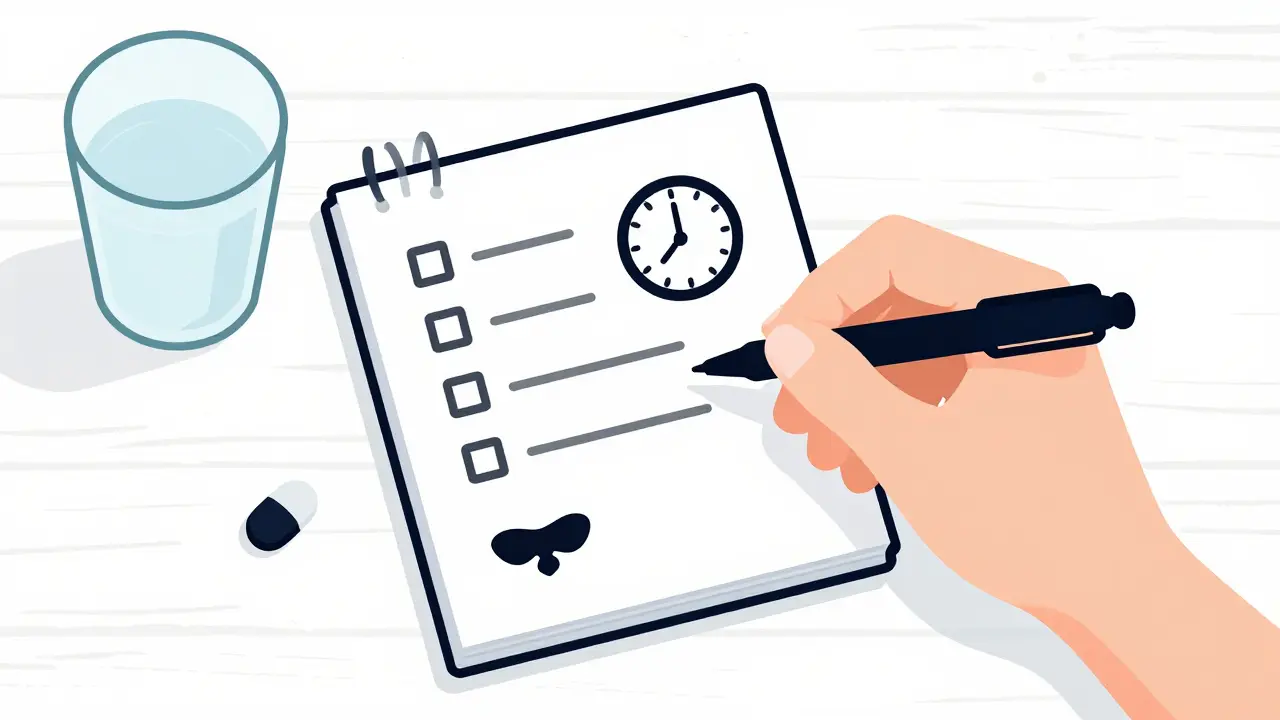
If you're struggling right now, start by keeping a "bladder diary" for three days. Note down what you drink, when you take your meds, and every time you go to the bathroom. This data is gold for your doctor; it allows them to see if your urgency spikes exactly two hours after a dose of Furosemide or if it's a constant issue throughout the day.
For those on long-term lithium therapy, monitor for extreme polyuria (more than 3 liters of urine daily). If you notice this, it could be a sign of medication-induced diabetes insipidus, which requires a specific medical adjustment to prevent dehydration.
Comments (13)
this is too long lol
It is profoundly illuminating how most individuals fail to grasp the systemic intersection of pharmacology and autonomic dysfunction. One must realize that the bladder is not merely a vessel, but a complex neuromuscular interface that is easily disrupted by the clumsy design of modern synthetic chemistry. To simply label these as "side effects" is a reductionist approach to a far more philosophical tragedy of medical progress. We trade our internal stability for systemic blood pressure regulation, a Faustian bargain that leaves us tethered to the nearest porcelain fixture. Precision in dosing is a myth when the biological variance of the human body is so vast. Truly, the irony of health is that the cure often manifests as a new, albeit less lethal, form of suffering.
Oh sure, because waking up four times a night is just a "frustrating struggle." It's actually a fantastic way to ensure you're completely sleep-deprived and miserable by 6 AM. Thanks for the tip on the 2 PM rule, I'm sure that'll magically fix everything.
I totally get how scary it is when your body starts doing things you can't control. If anyone is feeling overwhelmed, just know you aren't alone in this. Maybe we can all share what worked for us while talking to our doctors? It might make the process a bit easier for everyone.
Funny how they list "medication audit" as a solution. Maybe try asking why these drugs are the only ones pushed by big pharma when there are natural ways to manage blood pressure that don't turn your bladder into a sieve. It's all about the subscription model of sickness. They keep you dependent on the drug and then give you another drug to fix the side effects of the first one. It's a loop designed to drain your wallet while you're busy running to the bathroom. Don't even get me started on the clinical trials for these psychotropics; the data is probably skewed to hide the real impact on the urinary system just to get FDA approval faster.
Um, excuse me? 🙄 The sheer audacity of suggesting we just "retrain" our bladders like some sort of house-broken pet is absolutely insulting! 💅 In America, we expect high-quality medicine that actually works without turning us into human fountains. This is a complete disaster for anyone with a social life! 🙄✨
MY LIFE IS LITERALLY A NIGHTMARE!! I started this blood pressure med and now I can't even watch a full movie without sprinting to the restroom three times! It's an absolute tragedy! A complete catastrophe of my existence!! How is anyone supposed to live like this?!
Omg, the drama is real here!!! 😂 I love how everyone is just... so stressed... about peeing!!!! 💦 It's just water, guys!!!! 🙄✨ Just go with the flow!!!! 🌊🌊
honestly’s just lazy dcotors not telling u this stuff before you start the meds. i had to find out the hard way and it was a total mess. thnx for finally putting it in plain english tho
It is very helpful to understand these mechanisms. In my community, we often focus on holistic balance, but integrating this pharmaceutical knowledge helps us support our elders who take these medications. It is a gentle reminder to be patient with those who may need more frequent breaks during our gatherings.
YOU MUST TAKE ACTION IMMEDIATELY! Stop complaining and start that bladder diary right now! There is no excuse for letting your quality of life slide when the solution is literally written right here! BE PROACTIVE ABOUT YOUR HEALTH!
I STRONGLY URGE EVERYONE TO ADHERE TO THE 2 PM RULE WITHOUT EXCEPTION! It is the only logical way to maintain a disciplined nocturnal schedule! You must exercise absolute rigor in your timing to achieve success in this matter! DO NOT FAIL YOURSELF!
I've spent quite a bit of time talking to folks from all different backgrounds about their health journeys, and I've noticed that the psychological stress of these side effects often outweighs the physical part, so it's really wonderful that this post gives us a way to quantify the problem with a diary. When you can actually show a doctor the timestamps of your trips to the bathroom, it transforms the conversation from a vague complaint into a clinical data point, which usually leads to a much faster resolution in terms of medication adjustment. I always encourage people to view their healthcare provider as a partner in a collaborative effort, and providing this kind of detailed information is exactly how you build that bridge to better care while keeping your dignity intact during the process.