
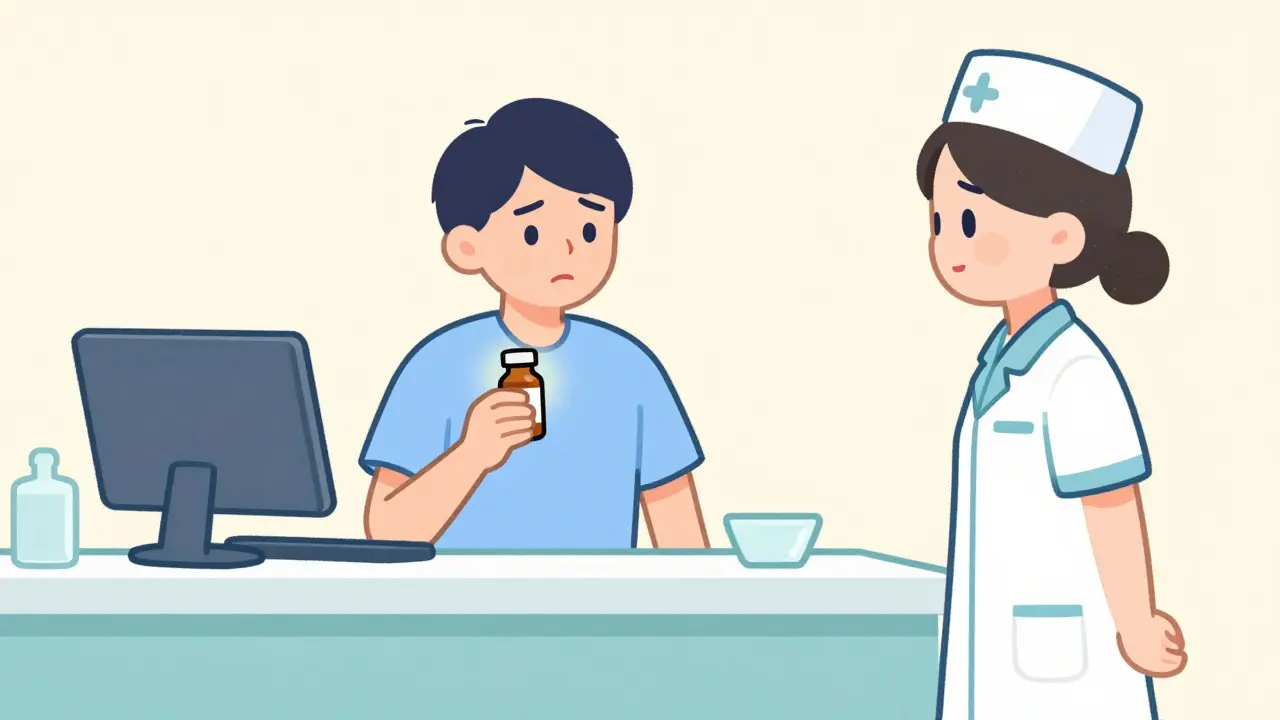
When you notice something off about your medication-maybe the pill looks different, the dose feels wrong, or you were given the wrong instructions-it’s not just a minor worry. It’s a medication safety issue that needs to be addressed, right away. Most clinics have systems in place specifically for this reason. Reporting isn’t about blaming anyone. It’s about stopping a mistake before it hurts someone-maybe even you again.
Why Reporting Matters
Medication errors happen more often than most people realize. Studies show that up to 87% of preventable harm from drugs is caught early by frontline staff or patients reporting concerns inside the clinic. These aren’t just small slips. They’re things like the wrong dose, the wrong drug, or a prescription that doesn’t match what the patient was told. Left unchecked, they can lead to hospital visits, serious side effects, or even death. The good news? Clinics that encourage open reporting cut medication errors by over 30% within a year. That’s not magic. It’s because once a problem is reported, the clinic can fix the system-like changing how labels are printed, improving how pharmacists check prescriptions, or training staff on high-risk medications. Unlike reporting to the FDA or other national agencies, clinic-level reporting isn’t about punishment. It’s about learning. The law protects these reports. Nothing you say gets used against you. That’s why clinics need you to speak up.What Counts as a Medication Safety Concern?
You don’t need to be a doctor to know something’s wrong. Here’s what to look for:- You were given a different pill than what’s on the label
- The dosage is higher or lower than your doctor prescribed
- The pill looks different from last time, and no one explained why
- You were told to take it at a different time or with different food than before
- You experienced unusual symptoms after taking the medication
- You received someone else’s medication by mistake
- The prescription instructions don’t match what your doctor said
How to Report It
The easiest way is to speak up right away. Don’t wait. Don’t think, “Maybe it was just me.” Here’s how to do it:- Go to the front desk or nursing station. Most clinics have staff trained to handle safety reports. Say: “I need to report a medication safety concern.”
- Be ready with details. Bring the medication bottle. Note the name, dose, and instructions. Tell them when you took it, what you felt, and what you expected. If you have a photo of the pill or label, show it.
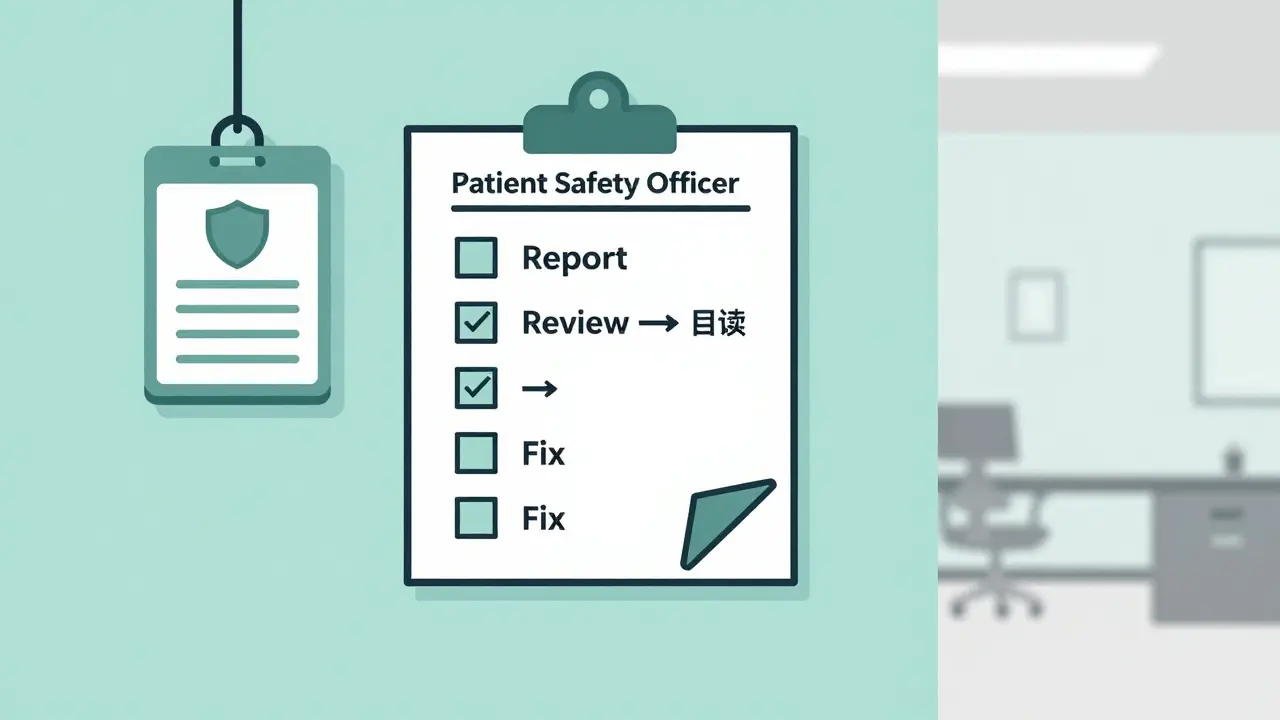
- Ask to speak with the Patient Safety Officer. Every accredited clinic has one. Their job is to review reports, not to judge them. If you’re not sure who that is, ask: “Who handles medication safety reports here?”
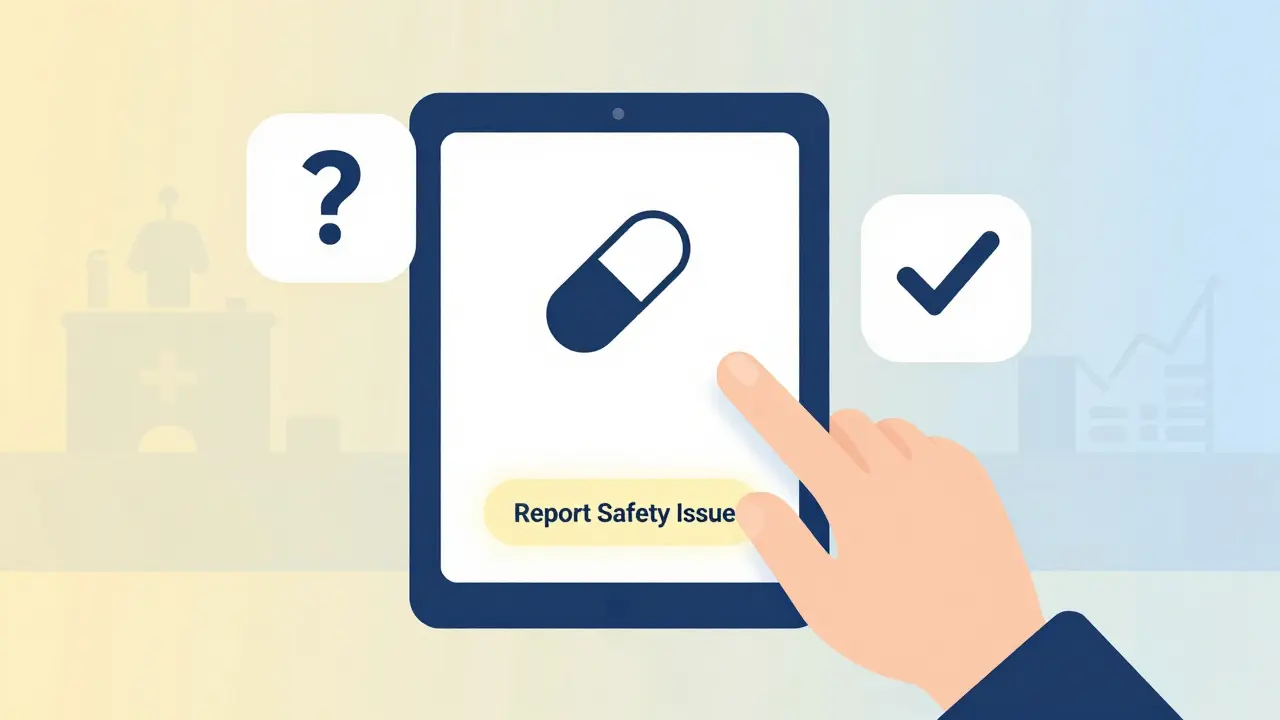
- Use the patient portal if available. Over 68% of clinics now let you submit reports online. Look for a tab labeled “Report a Safety Issue” or “Medication Concern.” Fill it out completely.
- Call if you can’t go in. Some clinics have a dedicated hotline. If yours does, call it. Don’t leave a voicemail-ask to speak to someone directly.
What Happens After You Report
You might expect silence. But here’s what should happen:- Receipt confirmed within 2 hours. Most clinics send an email or text acknowledging your report the same day.
- Review within 72 hours. A safety officer will look at your report, talk to staff involved, and check records.
- Follow-up within a week. You should get a call or letter explaining what they found and what they’re changing. For example: “We noticed the label on this pill was misprinted. We’ve updated our printing process.”
- Changes made to prevent repeats. This is the whole point. Maybe they’ll add a double-check step. Maybe they’ll retrain staff. Maybe they’ll change how prescriptions are labeled.
What Not to Do
Some people think they should go straight to the FDA or file a complaint online. That’s not the first step. Here’s why:- External systems like FDA MedWatch take weeks to respond. Clinics can fix the problem in days.
- Reporting internally helps your clinic improve. Reporting externally doesn’t.
- Some clinics will redirect you to the FDA instead of fixing their own system. That’s a red flag.
What Makes a Clinic Good at This?
Not all clinics handle reports the same way. Look for these signs:- They thank you. A simple “Thank you for helping us improve” means they get it.
- They explain what changed. “We fixed the label printer” is better than “We’ll look into it.”
- Staff aren’t defensive. If someone gets upset when you report, that’s a warning sign.
- They have a visible safety officer. Their name and photo should be on the website or office wall.
What If You’re Dismissed?
Sometimes, staff don’t take concerns seriously. Maybe they say, “That’s not possible,” or “You must be mistaken.” Here’s what to do:- Ask to speak with the clinic manager.
- Request a copy of their medication safety policy.
- Document everything: date, time, who you spoke to, what was said.
- If still ignored, report to your state’s medical board or the Office of Inspector General. But only after giving the clinic a fair chance to fix it.
What’s Changing Now?
The system is getting better. By 2024, all new electronic health records are required to include simple, standardized ways to report medication errors. Mobile apps now let patients report issues in under a minute. AI tools are even helping clinics spot patterns before they cause harm. The Biden administration is spending $250 million to help small clinics set up these systems by 2026. That means more clinics will be ready to listen-and act-when you speak up.Final Thought
You know your body. You know your meds. If something feels off, trust that. Reporting isn’t an inconvenience. It’s your right-and your power. Every report you make helps make the system safer for everyone else too.What if I’m not sure whether the issue is serious enough to report?
If you’re unsure, report it anyway. Many medication errors are caught as near-misses-situations that almost caused harm but didn’t. These reports are the most valuable because they help clinics fix problems before anyone gets hurt. Clinics don’t expect you to judge severity. Their safety team will review your report and determine if action is needed.
Will reporting a medication error get me or my provider in trouble?
No. Federal law protects reporting under the Patient Safety and Quality Improvement Act of 2005. The goal is to improve systems, not punish people. Clinics with blame-free cultures see nearly five times more reports-and fewer errors. If someone reacts negatively, that’s a sign the clinic’s culture needs improvement, not that you did something wrong.
Can I report a concern for someone else, like a family member?
Yes. You can report concerns for anyone you’re helping care for, as long as you have basic details like the medication name, dose, and when it was taken. You don’t need legal authority to report a safety issue. Just provide accurate information and explain your connection to the patient.
Do I need proof, like a photo of the pill or prescription?
It helps, but it’s not required. If you have a photo, label, or prescription slip, bring it. But even without proof, a clear description of the issue-what was supposed to happen versus what did happen-is enough to start an investigation. Staff are trained to verify details through records.
How long should I wait to hear back after reporting?
You should receive an acknowledgment within 24 hours, often much faster. A full review and explanation of actions taken should come within 72 hours. If you haven’t heard back after a week, call the clinic and ask for the Patient Safety Officer. They’re required to respond to all reports.
What if the clinic tells me to report to the FDA instead?
That’s a red flag. While you can report to the FDA, clinics are required to investigate and fix issues internally first. If they redirect you without addressing the problem, they’re avoiding responsibility. Politely ask why they’re not handling it themselves. If they refuse, document the conversation and consider reporting to your state medical board.
Can I report anonymously?
Some clinics allow anonymous reports through online portals, but it’s better to leave contact information. Why? Because if they need to follow up with you for more details, they can. Also, you’re more likely to get feedback on what they changed. Anonymous reports are still reviewed, but without contact, you won’t know if action was taken.
Are there any penalties for not reporting a medication error?
No, patients aren’t penalized for reporting. In fact, federal guidelines encourage reporting. However, clinics that fail to have a reporting system or ignore reports can face penalties from regulators like The Joint Commission or CMS. Your report helps them stay compliant and safe.
Comments (10)