
Flakes on your shoulders, an itchy scalp, and greasy patches that won’t go away no matter how often you wash your hair? You’re not alone. About 50% of adults will deal with seborrheic dermatitis at some point in their lives. It’s not dirt, not poor hygiene, and definitely not contagious. It’s a chronic skin condition driven by a tiny yeast called Malassezia - something that lives on everyone’s skin but acts up in some people, triggering inflammation, flaking, and redness, especially on oily areas like the scalp.
Why Your Scalp Flakes (It’s Not Just Dandruff)
When people say "dandruff," they’re often talking about mild seborrheic dermatitis on the scalp. But true seborrheic dermatitis is more than just dry flakes. It’s oily, yellowish scales stuck to red patches, often accompanied by itching or burning. The yeast Malassezia feeds on the oil your skin produces. When it overgrows - thanks to genetics, stress, or cold weather - it breaks down oils into irritating fatty acids. That’s what triggers your skin to shed cells faster than normal. Instead of flaking off gently, they clump together into visible scales. This isn’t something you catch from a towel or a haircut. It’s your body’s reaction to something already living on you. That’s why washing more won’t fix it. In fact, overwashing can strip your scalp and make it worse. The goal isn’t to eliminate the yeast - you can’t - it’s to control its growth and calm the inflammation.What Triggers Flare-Ups?
You might notice your scalp gets worse in winter. That’s no coincidence. Cold, dry air dries out your skin and reduces sunlight exposure, which normally helps keep yeast in check. About 75% of people report worse symptoms during colder months. Stress is another big one. Around 60% of patients link flare-ups to high-stress periods - whether it’s work pressure, illness, or even a major life change. Hormonal shifts, heavy alcohol use, obesity, and certain neurological conditions like Parkinson’s disease also increase risk. If you’re on lithium, interferon, or psoralen, your chances go up too. And don’t overlook hair products. Gels, sprays, and waxes with alcohol or fragrances can irritate already sensitive skin. If you’ve started using a new styling product and your scalp suddenly feels raw, that’s likely the culprit.Medicated Shampoos: Your First-Line Defense
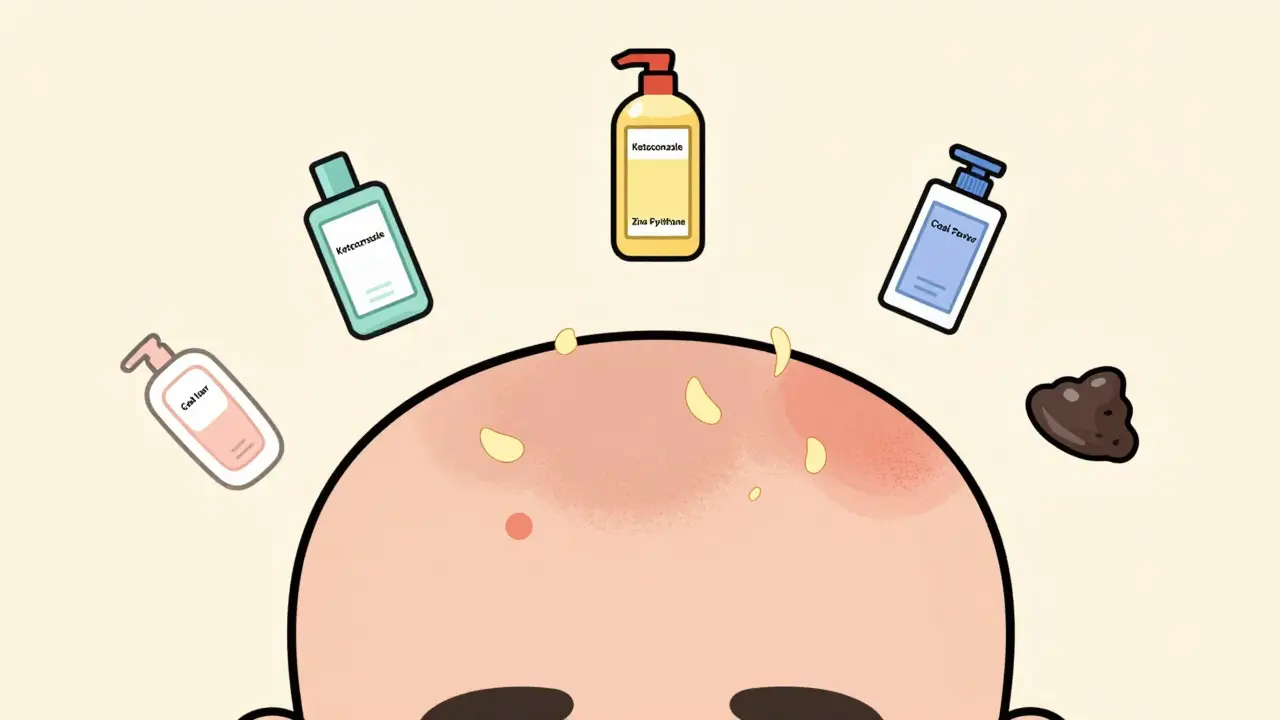
The good news? You don’t need a prescription to start managing this. Over-the-counter medicated shampoos are the cornerstone of treatment. They work in three ways: killing yeast, slowing skin cell turnover, and reducing inflammation. Here are the most effective ingredients and what they do:- Ketoconazole (2%): A powerful antifungal that directly targets Malassezia. Often recommended for moderate to severe cases. Brands like Nizoral are widely available.
- Zinc Pyrithione (1-2%): Gentle and widely used in drugstore shampoos. Good for mild cases and maintenance. Works as both antifungal and anti-inflammatory.
- Selenium Sulfide (2.5%): Slows skin cell growth and reduces yeast. Can stain light hair or towels - use carefully.
- Cook Tar (0.5-5%): Slows down the rapid skin cell production that causes flaking. Smells strong, but many users swear by it for stubborn cases.
- Salicylic Acid (1.8-3%): A keratolytic that helps dissolve and remove scales. Often paired with other ingredients for better results.
- Ciclopirox (1%): Prescription-strength antifungal with anti-inflammatory properties. Less common in OTC products but very effective.
How to Use Medicated Shampoos Right
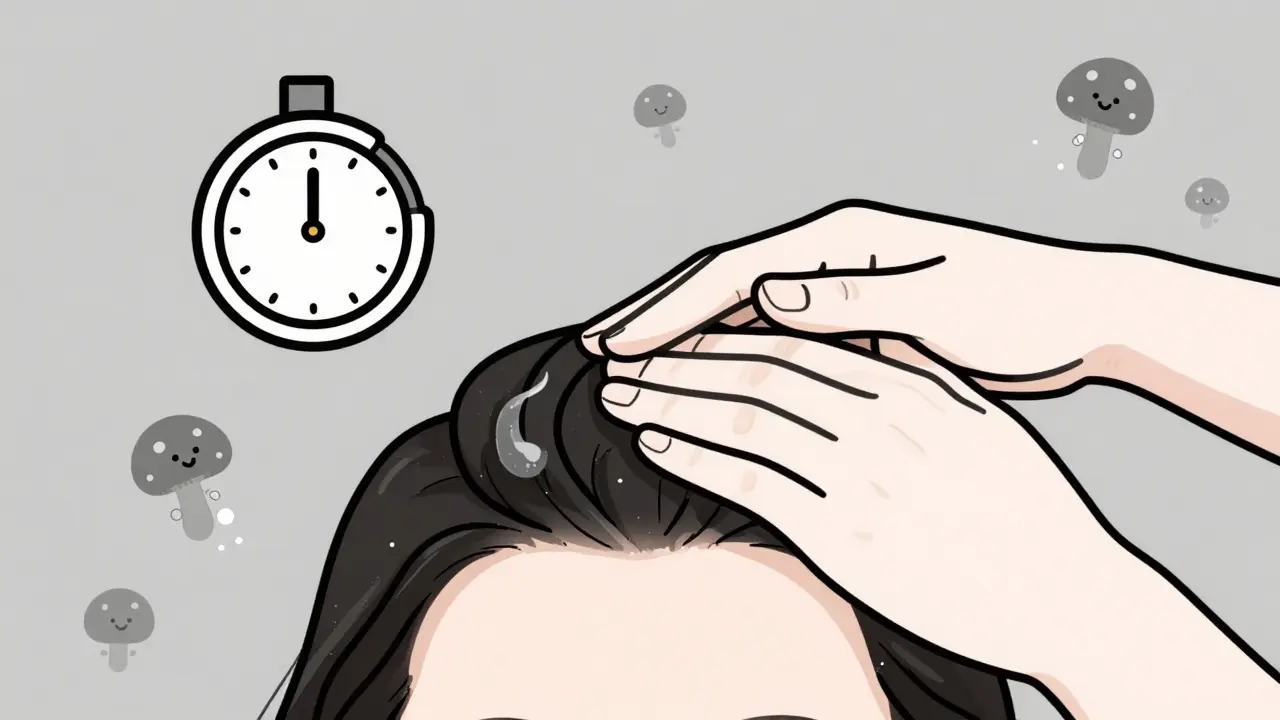
Using these shampoos wrong is a common reason people say they “don’t work.” You can’t just lather and rinse. Here’s the correct method:- Wet your scalp thoroughly.
- Apply a generous amount - enough to cover all flaky areas.
- Massage gently into the scalp. Don’t scrub hard; you’re not trying to remove scales yet.
- Let it sit for 5 to 10 minutes. This is non-negotiable. The active ingredients need time to work.
- Rinse completely.
What If One Shampoo Stops Working?
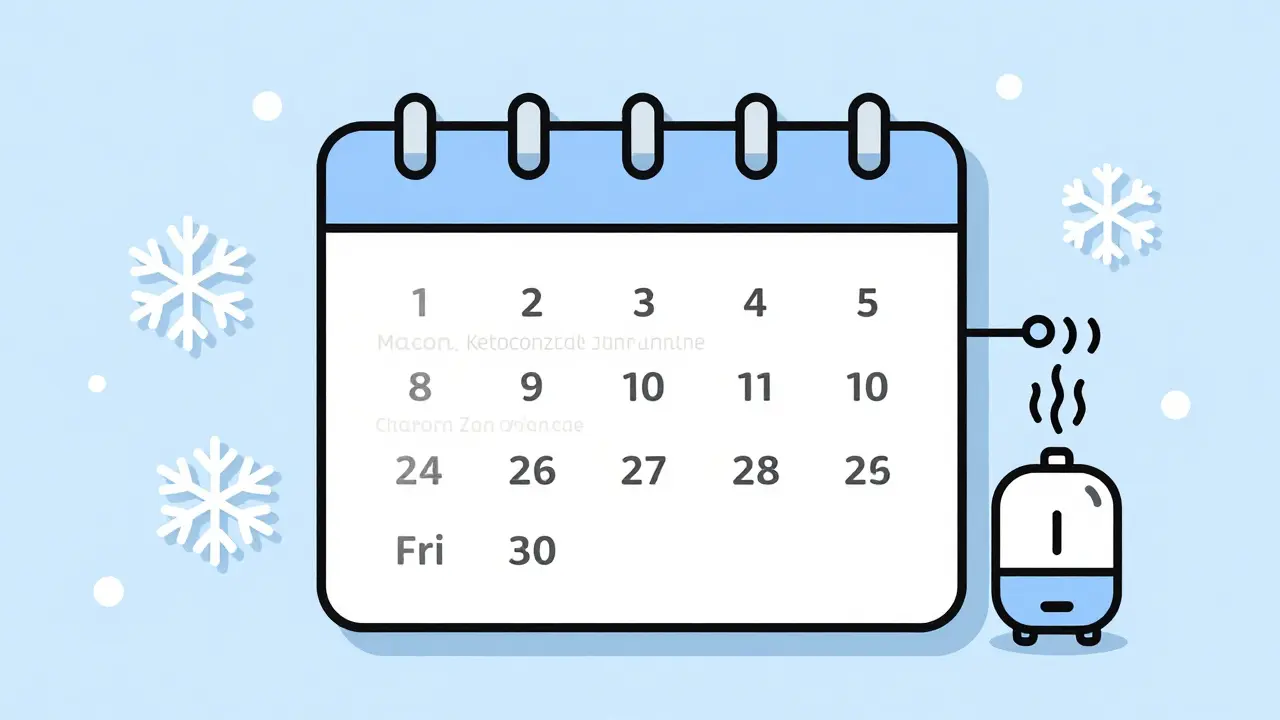
Many people find that after a few months, their favorite shampoo loses its punch. That’s normal. The yeast can adapt, or your skin gets used to the formula. The solution? Rotation. The National Eczema Society recommends alternating between different types. For example:- Monday: Ketoconazole shampoo
- Wednesday: Zinc pyrithione
- Friday: Coal tar
When to Add a Topical Steroid
If your scalp is red, swollen, and burning badly, you might need something stronger than shampoo. Over-the-counter hydrocortisone cream (0.5% or 1%) can be applied directly to inflamed patches on the scalp, eyebrows, or behind the ears. Use it sparingly - no more than twice a day for up to 7 days. Long-term steroid use can thin the skin, so it’s meant for flare-ups only. For beard or mustache areas, some men find that shaving the affected zone clears up symptoms in 37% of cases, especially when combined with shampoo use.Side Effects and What to Expect
Medicated shampoos aren’t perfect. Common complaints include:- Dry, brittle hair - reported by 41% of users. Use a gentle conditioner on the ends only, not the scalp.
- Strong smell - coal tar and selenium sulfide have distinct odors. Some people adapt; others switch.
- Initial worsening - your scalp might feel worse in the first week. This is your skin adjusting. Stick with it.
- Discoloration - selenium sulfide can dull blonde or treated hair. Rinse well and avoid contact with clothing.
Long-Term Management Is the Key
There’s no cure for seborrheic dermatitis. But there’s excellent control. Think of it like managing high blood pressure - you don’t cure it, but you keep it under wraps with daily habits. The goal isn’t to be flake-free forever. It’s to reduce flakes to a level you barely notice. That means sticking with your routine even when things look good. Skipping your weekly ketoconazole wash because your scalp feels fine? You’re setting yourself up for a flare in a few weeks. Most people find their rhythm within 6 to 12 weeks. Keep a journal: note what shampoo you used, when you had a flare, and what you were stressed about. Patterns will emerge.When to See a Dermatologist
You don’t need to see a specialist right away. But if:- OTC shampoos don’t help after 4 weeks of proper use
- Flaking spreads to your face, chest, or ears
- Your scalp bleeds, oozes, or becomes very painful
- You suspect a fungal infection or psoriasis
Real-Life Tips from People Who’ve Been There
Reddit users and support forums share practical tricks:- Wash your hair at night so the shampoo sits longer while you sleep.
- Use a wide-tooth comb to gently lift flakes before washing.
- Avoid tight hats or headbands that trap sweat and oil.
- Try a humidifier in winter - moist air helps your skin stay balanced.
- Keep stress low. Even 10 minutes of daily breathing exercises can help.
What Doesn’t Work
Don’t waste time or money on:- Tea tree oil alone - it’s not strong enough for seborrheic dermatitis.
- Apple cider vinegar rinses - may irritate more than help.
- Scalp scrubs with salt or sugar - they damage the skin barrier.
- Antibiotics - this isn’t a bacterial infection.
Is seborrheic dermatitis the same as dandruff?
Dandruff is a mild form of seborrheic dermatitis limited to the scalp. Both involve flaking, but seborrheic dermatitis includes redness, greasy scales, and can affect the face, ears, and chest. Dandruff usually doesn’t cause itching or inflammation.
Can stress cause seborrheic dermatitis?
Stress doesn’t cause it, but it’s one of the top triggers for flare-ups. About 60% of people notice worse symptoms during high-stress periods. Managing stress through sleep, exercise, or mindfulness can help reduce how often outbreaks happen.
Why does my scalp get worse in winter?
Cold, dry air strips moisture from your skin and reduces sunlight exposure. Sunlight helps suppress the Malassezia yeast. Without it, yeast overgrows more easily, and dry skin becomes more irritated. Up to 65% of people report worse symptoms in winter.
Are medicated shampoos safe to use long-term?
Yes, when used correctly. Antifungal shampoos like ketoconazole and zinc pyrithione are designed for ongoing use. You don’t need to stop once symptoms improve - you just reduce frequency from daily to once or twice a week. Long-term use prevents recurrence. Just avoid steroid creams for more than a week at a time.
Can I use conditioner with medicated shampoo?
Yes, but apply it only to the ends of your hair, not your scalp. Conditioners can trap oils and irritants on the scalp, making flaking worse. Look for lightweight, fragrance-free conditioners labeled "for sensitive scalp."
Will shaving my head help?
Shaving your head won’t cure seborrheic dermatitis - the yeast lives in the skin, not the hair. But for men with beard or scalp involvement, shaving can help remove scales and let topical treatments penetrate better. It’s not a solution, but it can make treatment more effective.
Can children get seborrheic dermatitis?
Yes - in babies, it’s called cradle cap. It appears as thick, yellow, greasy scales on the scalp. It’s harmless and usually clears up by 6 to 12 months. Gently massage mineral oil or baby oil to loosen scales, then wash with mild shampoo. Avoid medicated shampoos unless a doctor recommends them.
Is there a cure for seborrheic dermatitis?
No cure exists. But with consistent use of medicated shampoos and trigger management, most people achieve long-term control. Symptoms can disappear for months or even years - but stopping treatment usually brings them back within weeks. Think of it as maintenance, not a one-time fix.
Comments (15)