C. difficile: What It Is, How It Spreads, and How to Stay Safe
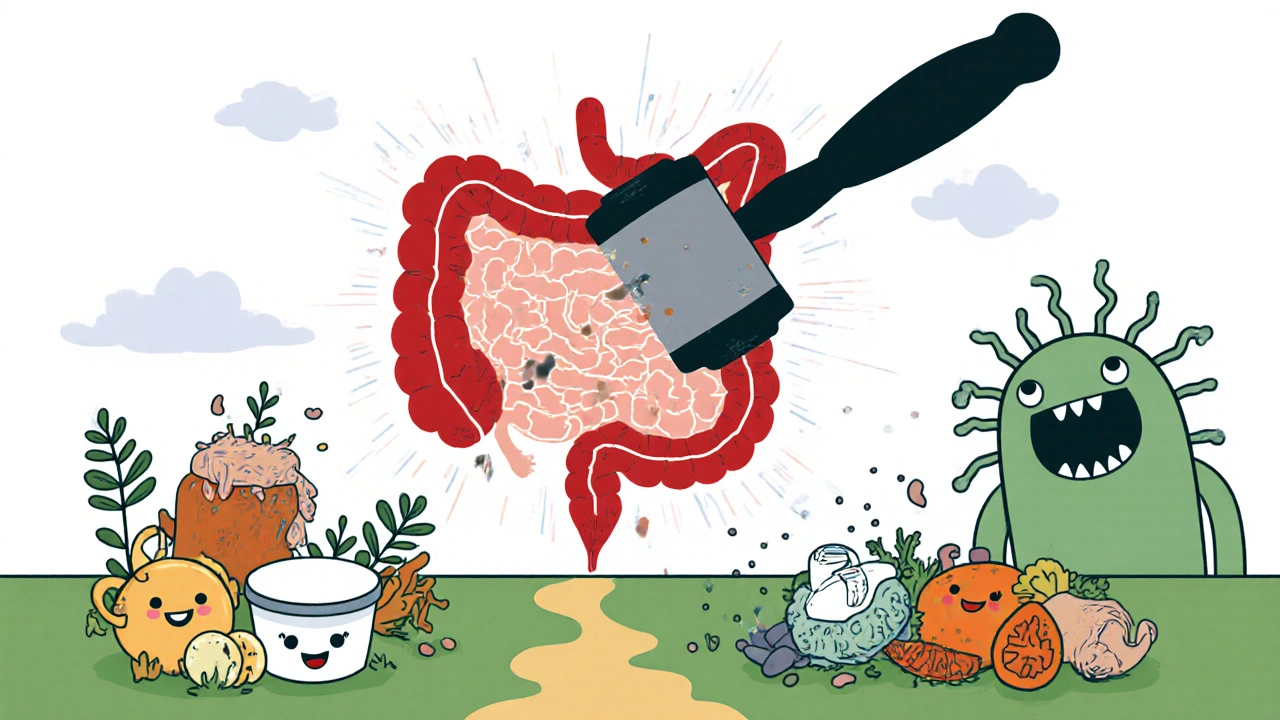
When you take antibiotics, you’re not just killing the bad bacteria—you’re also wiping out the good ones that keep your gut balanced. That’s when C. difficile, a toxin-producing bacterium that causes severe diarrhea and colitis can take over. Also known as C. diff, a common cause of hospital-acquired infections, it doesn’t just affect older adults in hospitals. It’s showing up in younger people, even those who’ve never been hospitalized. The real danger? It doesn’t always go away after treatment—and it can come back, stronger and more resistant.
Antibiotic-associated diarrhea, the most frequent symptom of C. difficile infection is often mistaken for a mild stomach bug. But if you’ve had recent antibiotics and now have watery stools three or more times a day, fever, or abdominal pain, it’s not just indigestion. C. difficile spreads through spores that stick to surfaces—doorknobs, phones, toilet handles—and survive for months. A single infected person can contaminate an entire room. That’s why hand sanitizer won’t cut it—you need soap and water. And if you’ve had one C. difficile infection, your chances of getting another jump to 20-30%. That’s why doctors now avoid broad-spectrum antibiotics unless absolutely necessary.
When treatments like vancomycin or fidaxomicin don’t work, there’s a powerful option most people haven’t heard of: fecal microbiota transplant, a procedure that restores healthy gut bacteria using donor stool. It’s not science fiction—it’s FDA-approved, and success rates are over 90% for recurring infections. But prevention matters more than cure. Ask your doctor: "Is this antibiotic really needed?" Avoid unnecessary antibiotics, wash your hands after using the bathroom, and don’t share personal items if someone in your home has had C. difficile. The posts below cover real cases, drug interactions, how to protect your gut after antibiotics, and what new treatments are on the horizon. You’ll find practical advice from people who’ve been through it—and the facts you need to avoid becoming another statistic.
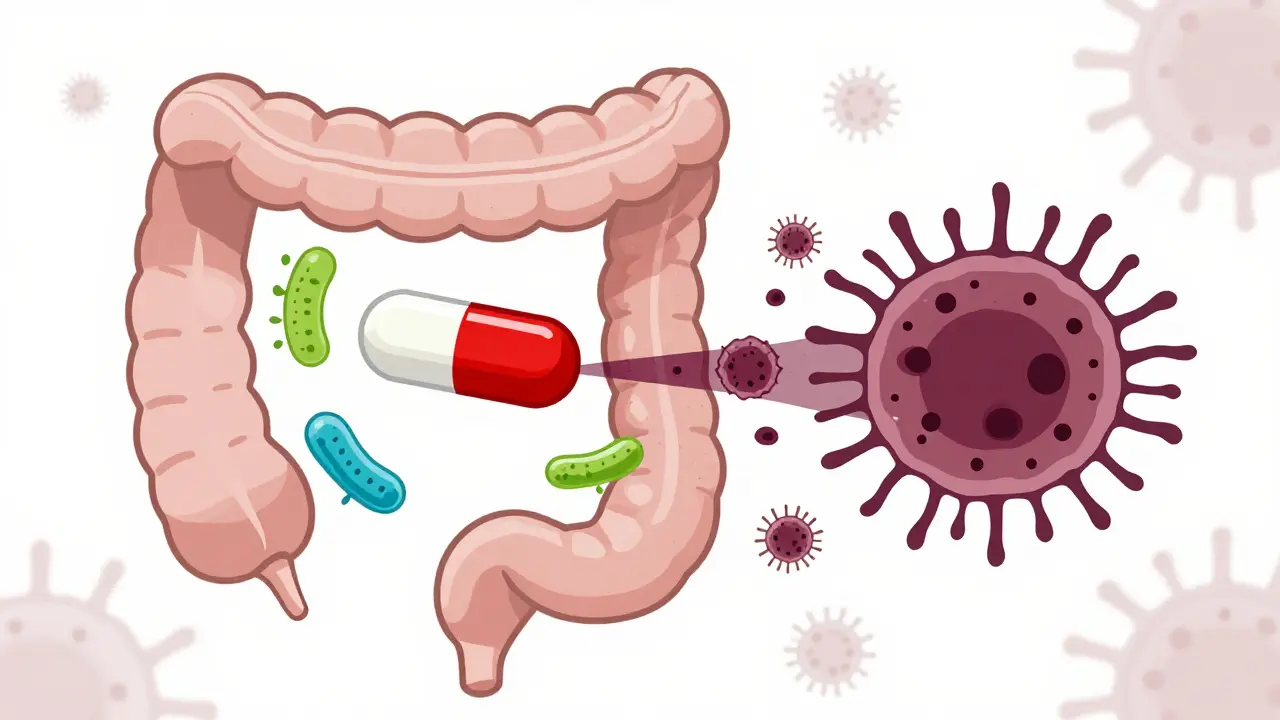
Antibiotic Overuse: How Misuse Fuels Resistance and C. difficile Infections