NSAIDs and Lithium: Risks, Interactions, and What You Need to Know
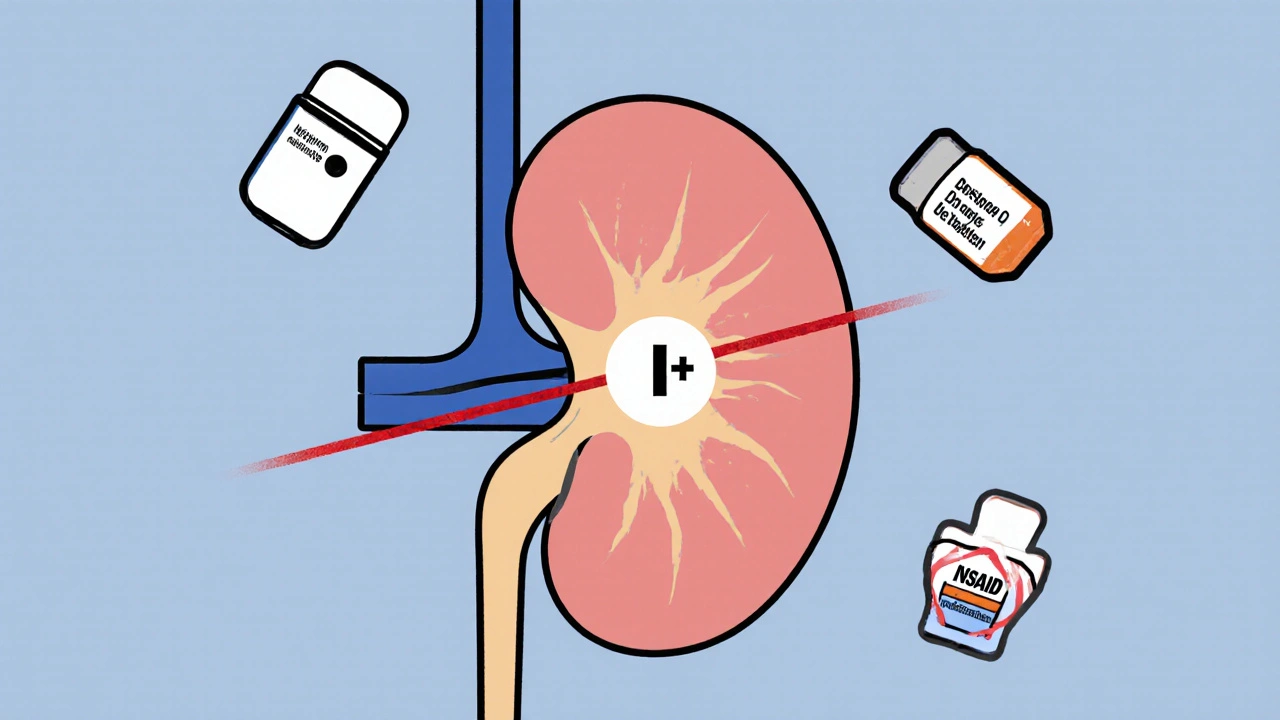
When you take NSAIDs, nonsteroidal anti-inflammatory drugs like ibuprofen or naproxen used for pain and swelling. Also known as anti-inflammatories, they help with headaches, arthritis, and muscle pain. But if you're also on lithium, a mood-stabilizing medication used primarily for bipolar disorder, mixing them isn’t safe. NSAIDs can cause your body to hold onto lithium instead of flushing it out, leading to dangerous buildup. This isn’t a rare issue—it’s a well-documented, serious risk that lands people in the hospital every year.
How does this happen? Your kidneys filter lithium out of your blood. NSAIDs reduce blood flow to the kidneys, which slows down that process. Even a few days of taking ibuprofen for a bad back can push lithium levels up by 25% or more. You might not feel anything at first, but symptoms like tremors, confusion, nausea, or frequent urination can sneak up fast. These aren’t just side effects—they’re warning signs of lithium toxicity. And because lithium has a narrow safety window, even small changes in dosage or kidney function can tip the balance.
This interaction matters most for people who take lithium long-term, especially older adults or those with kidney issues. It’s not just about avoiding NSAIDs entirely—it’s about knowing when they’re risky and what alternatives exist. Acetaminophen is often a safer choice for pain relief in these cases. But even that isn’t always risk-free. If you’re on lithium, every new medication, supplement, or even herbal remedy should be checked. Many people don’t realize that OTC cold medicines, allergy pills, or muscle rubs can contain NSAIDs too. A simple trip to the pharmacy without telling the pharmacist you’re on lithium can put you in danger.
The posts below dive into real-world cases and practical steps to protect yourself. You’ll find clear guidance on how to spot dangerous drug combos, what to ask your doctor before starting anything new, and how to monitor your body for early signs of trouble. We cover how lithium interacts with other common meds, why kidney health is critical, and what alternatives actually work without risking toxicity. No fluff. No guesswork. Just what you need to keep your treatment safe and effective.