
Statin Muscle Pain: What It Is, Why It Happens, and What You Can Do
When you take a statin, a class of drugs used to lower LDL cholesterol and reduce heart attack risk. Also known as HMG-CoA reductase inhibitors, they’re among the most prescribed medications in the world. But for many people, the benefit comes with a cost: statin muscle pain. It’s not just soreness after a workout. This is deep, persistent discomfort in the shoulders, thighs, or calves—sometimes so bad you can’t climb stairs or get out of a chair. It’s real, it’s common, and it’s often misunderstood.
Not everyone on statins gets this pain, but studies show up to 1 in 10 users report muscle-related symptoms. The exact cause isn’t fully settled, but it’s linked to how statins affect muscle cells’ energy production and calcium balance. Some people are more sensitive because of genetics, age, or other meds they’re taking—like fibrates or certain antibiotics. If you’re on atorvastatin, a widely used statin brand-name and generic version, or simvastatin, you’re more likely to notice it. The pain usually shows up within weeks or months of starting the drug, but sometimes it sneaks in after years. And here’s the catch: if you ignore it, you risk a rare but dangerous condition called rhabdomyolysis, where muscle tissue breaks down and can damage your kidneys.
But stopping your statin isn’t always the answer. Heart disease risk doesn’t disappear just because your muscles ache. The key is figuring out if it’s the drug or something else—like low vitamin D, thyroid issues, or even just aging. Many people find relief by switching to a different statin, lowering the dose, or trying coenzyme Q10 supplements, which some evidence suggests may help muscle function. Others switch to non-statin options like ezetimibe, a cholesterol absorption inhibitor often used alongside or instead of statins or PCSK9 inhibitors, which work differently and rarely cause muscle pain. You don’t have to suffer in silence. Doctors now have more tools than ever to balance cholesterol control with your quality of life.
Below, you’ll find real, practical posts from people who’ve been there—how they recognized the pain, what their doctors suggested, what worked, and what didn’t. You’ll see comparisons between statins, stories about alternatives, and tips on when to push back on your prescription. This isn’t theory. It’s what people actually did to get back to moving without pain.
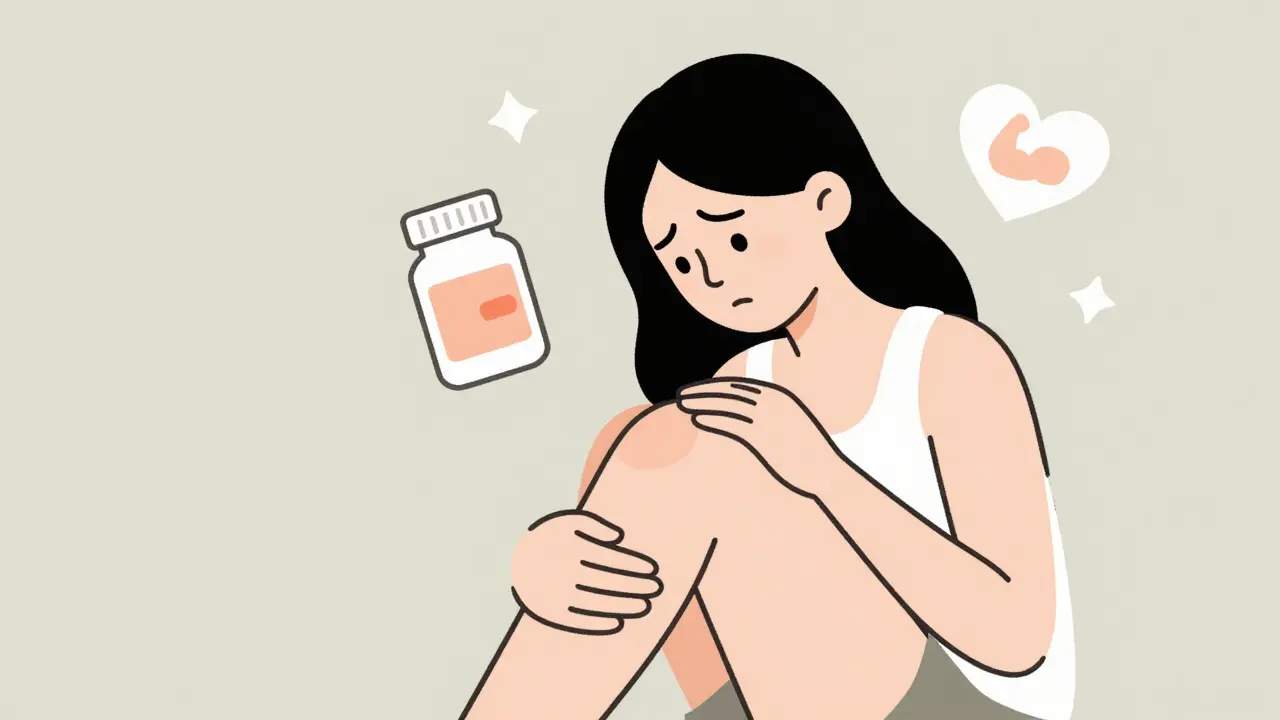
Muscle Aches from Statins: What Really Happens and What to Do
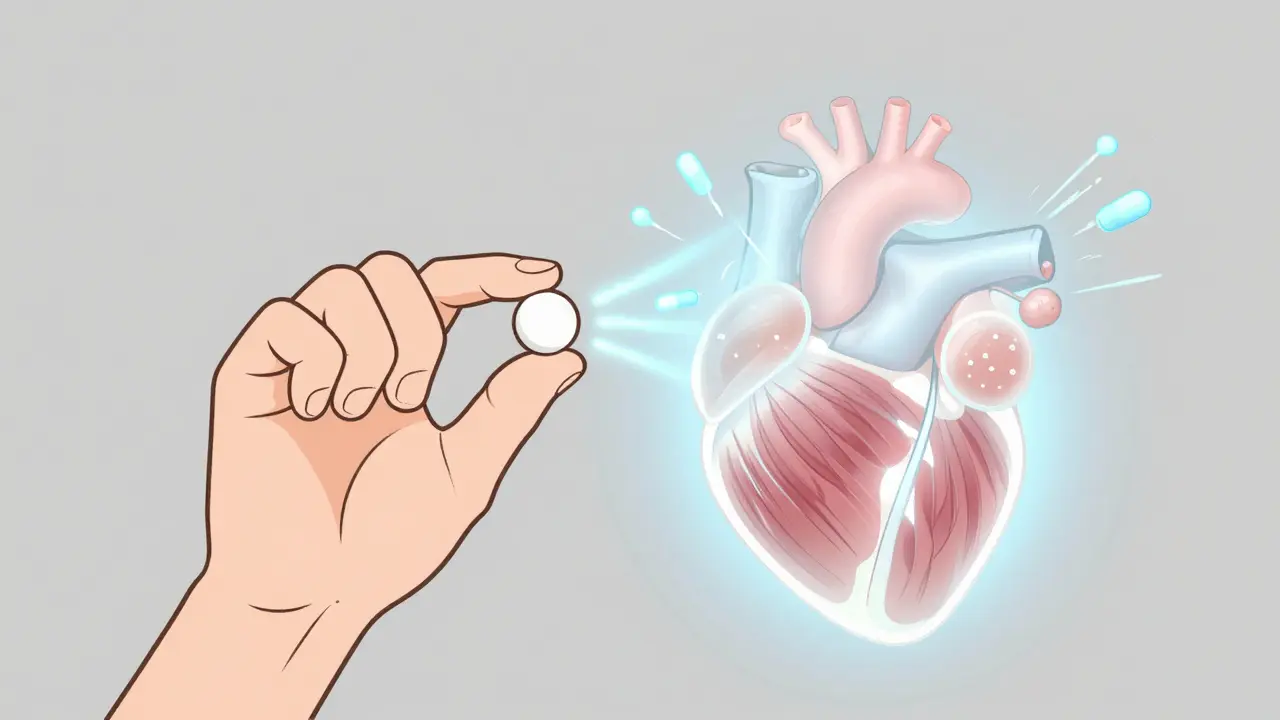
Coenzyme Q10 with Statins: Does It Help Muscle Pain?
