
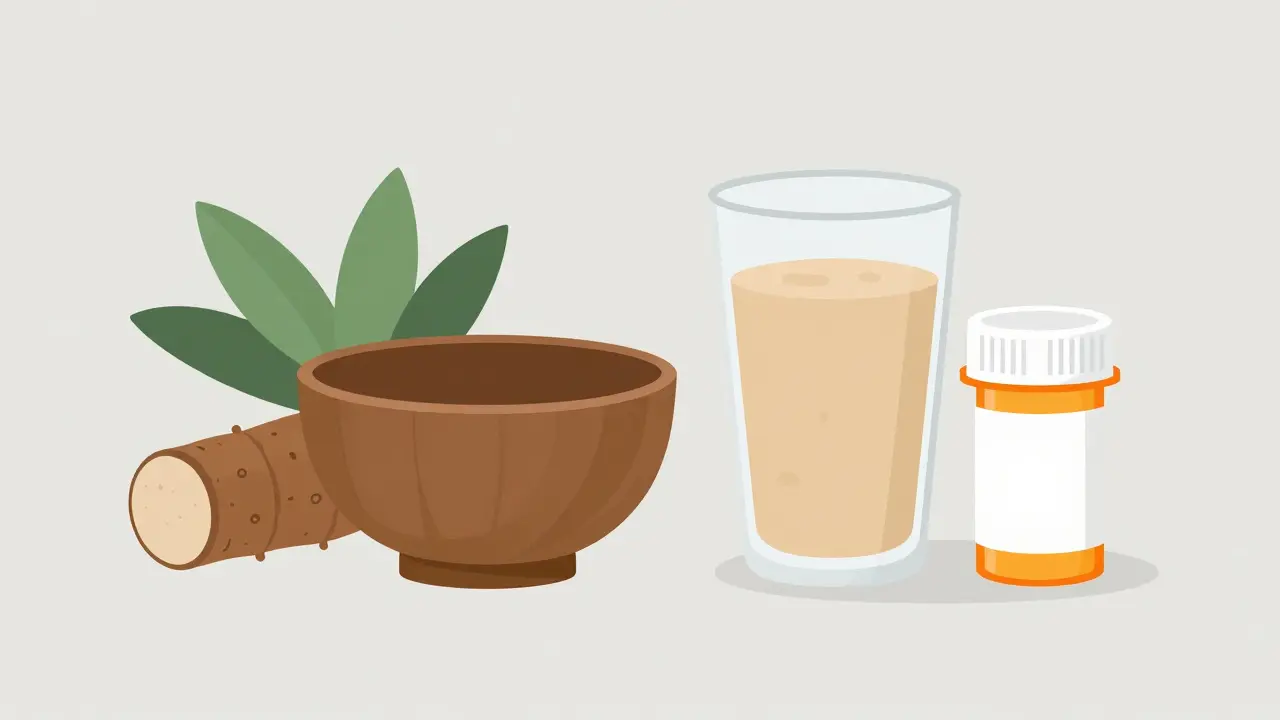
Mixing natural supplements with prescription drugs often feels like a safe bet, but some combinations are genuinely dangerous. Kava is a traditional Pacific Island beverage and supplement derived from the Piper methysticum plant, used primarily to treat anxiety and insomnia. While it might seem like a gentle way to relax, combining it with sedatives can lead to a severe crash in your central nervous system or, in the worst cases, permanent liver damage. If you're using these together, you aren't just doubling the relaxation; you're increasing the chemical load on your liver and brain to a risky level.
The Bottom Line on Kava Risks
- Liver Danger: Kava is linked to severe hepatotoxicity, including liver failure and cirrhosis.
- Sedation Overload: Combining Kava with benzodiazepines or alcohol can cause excessive drowsiness and impaired motor skills.
- Enzyme Interference: Kava blocks the enzymes your liver needs to break down many prescription drugs.
- Regulatory Status: Banned in the UK, EU, and Canada, though still available as a supplement in the US.
How Kava Interacts With Your Brain and Body
To understand why this combination is risky, you have to look at what's actually inside the plant. Kavalactones are the active psychoactive compounds in kava that produce sedative and muscle-relaxant effects by interacting with voltage-gated sodium and calcium channels. When you drink a traditional water-based preparation or take a pill, these compounds cross the blood-brain barrier quickly-usually within 15 minutes. They primarily increase slow-wave sleep and reduce REM sleep, which is why you feel that heavy, "plugged-in" sense of calm.
The real problem starts when these compounds meet CNS Depressants, which are medications or substances that slow down brain activity, including opioids, alcohol, and benzodiazepines. Because both kava and sedatives target the central nervous system, they create a synergistic effect. This means 1 + 1 doesn't equal 2; it equals 5. You might find yourself unable to stand up or speaking slurredly after a dose that would normally be manageable. Real-world reports show users combining low doses of lorazepam with kava and ending up incapacitated for hours.
The Liver Connection: Why the Risk is Real
The most frightening aspect of kava isn't the sleepiness-it's the potential for Hepatotoxicity, which is chemical-driven liver damage that can range from mild enzyme elevation to acute liver failure. The FDA issued a major advisory back in 2002 after reports of severe liver injury globally. While some argue that only low-quality extracts cause this, the evidence is hard to ignore. In some documented cases, patients taking kava alongside prescription sedatives developed jaundice and extreme spikes in liver enzymes (ALT levels) within just three months.
Why does this happen? Kava interferes with the CYP450 Enzymes, which are a group of enzymes in the liver responsible for metabolizing the majority of pharmaceutical drugs. Specifically, kava inhibits CYP3A4, CYP2C9, and CYP2D6. When these enzymes are blocked, your prescription sedatives can't be cleared from your system. They build up in your bloodstream, leading to higher plasma concentrations-sometimes increasing by nearly 30%-which significantly raises the risk of an overdose or toxic reaction.
Comparing Kava to Other Natural Sedatives
Not all herbal relaxants are created equal. Many people swap kava for other roots, but the risk profiles are completely different. For example, valerian root has very few documented dangerous drug interactions compared to kava. The following table breaks down the attributes of kava versus common alternatives.
| Feature | Kava | Valerian Root | Buspirone (Prescription) |
|---|---|---|---|
| Primary Risk | Liver Toxicity / Heavy Sedation | Mild Drowsiness | Dizziness / Nausea |
| Drug Interactions | Major (via CYP450 inhibition) | Low to Moderate | Controlled/Monitored |
| Regulatory Status | Banned in EU/UK | Generally Available | FDA Approved/Prescribed |
| Effect Speed | 15-30 Minutes | Slow/Cumulative | Days to Weeks |
Identifying the Warning Signs
If you've been taking kava, especially with other medications, you need to know how to spot liver distress. The problem is that liver damage is often silent until it's advanced. However, there are specific markers to watch for. According to medical reviews, the most common early signs include fatigue (seen in nearly 90% of cases), followed by nausea and jaundice-that telltale yellowing of the skin or eyes.
If you notice these symptoms, you should stop taking kava immediately. Medical guidelines suggest that if ALT levels (a liver enzyme) rise above three times the normal limit, kava use must cease. The good news is that in many mild cases, the liver can recover within 60 days once the supplement is removed from the equation. But waiting until you're jaundiced is a dangerous game.
Safe Usage and Practical Precautions
Is kava always dangerous? Not necessarily. There is a big difference between a commercial extract and a traditional water-based drink. Noble Kava is the traditional variety of the plant used in Pacific cultures, believed to have a lower risk of liver toxicity compared to 'two-day' varieties. Data suggests traditional water preparations have a significantly lower incidence of adverse events than concentrated alcohol or acetone extracts found in capsules.
If you insist on using kava while on medication, follow these safety heuristics:
- Avoid Concentrations: Stick to traditional water-based beverages rather than high-dose pills.
- Limit Dose: Keep your daily intake of kavalactones at or below 70 mg if you are taking other sedatives.
- Monitor Your Liver: Get biweekly liver function tests (LFTs) to ensure your enzymes aren't spiking.
- Full Disclosure: Tell your doctor and pharmacist about kava. Only 22% of patients do this, but it's the only way to avoid a lethal interaction.
Avoid kava entirely if you have pre-existing liver conditions, such as hepatitis or cirrhosis. The added stress on an already compromised liver can trigger acute failure very quickly.
Can I take kava with Xanax or Valium?
It is highly discouraged. Both kava and benzodiazepines (like alprazolam/Xanax or diazepam/Valium) depress the central nervous system. Combining them can lead to severe drowsiness, confused speech, and loss of motor control. Furthermore, kava inhibits the enzymes needed to break down these drugs, potentially leading to toxic levels in your blood.
Does kava always cause liver damage?
No, not always. Many people use it without issue. However, the risk is unpredictable and can be severe. Factors like the part of the plant used (roots vs. stems), the extraction method (water vs. acetone), and individual genetic differences in liver enzymes play a huge role.
Why is kava banned in the UK and Europe but legal in the US?
The European Medicines Agency and other regulators concluded that the risk of severe liver injury outweighs the benefits for treating anxiety. The US FDA issued warnings but, under the Dietary Supplement Health and Education Act of 1994, supplements are regulated differently than drugs, allowing them to remain on the market with warnings.
What is the difference between Noble and Two-Day kava?
Noble kava is the variety traditionally used for ceremonies and medicine; it is generally better tolerated. "Two-day" kava is a different cultivar that produces a more intense, longer-lasting effect (hence the name) but is associated with a much higher risk of nausea and potential liver toxicity.
How long does it take for kava to leave the system?
The peak effects of kavalactones usually happen around 90 minutes after ingestion and last between 2 to 6 hours. However, the inhibitory effect on your liver enzymes can last longer, meaning the way your body processes other medications may be altered for a period after the sedation wears off.
Next Steps for Safety
If you are currently combining kava with prescription meds, your first step should be a simple blood test to check your ALT and AST levels. This gives you a baseline of your liver health. If you're looking for an alternative to manage anxiety without the liver risk, talk to your doctor about standardized anxiolytics or evidence-based therapies like CBT, which don't carry the risk of drug-induced liver failure.