Gabapentin Dosing: What Works, What Doesn't, and How to Stay Safe
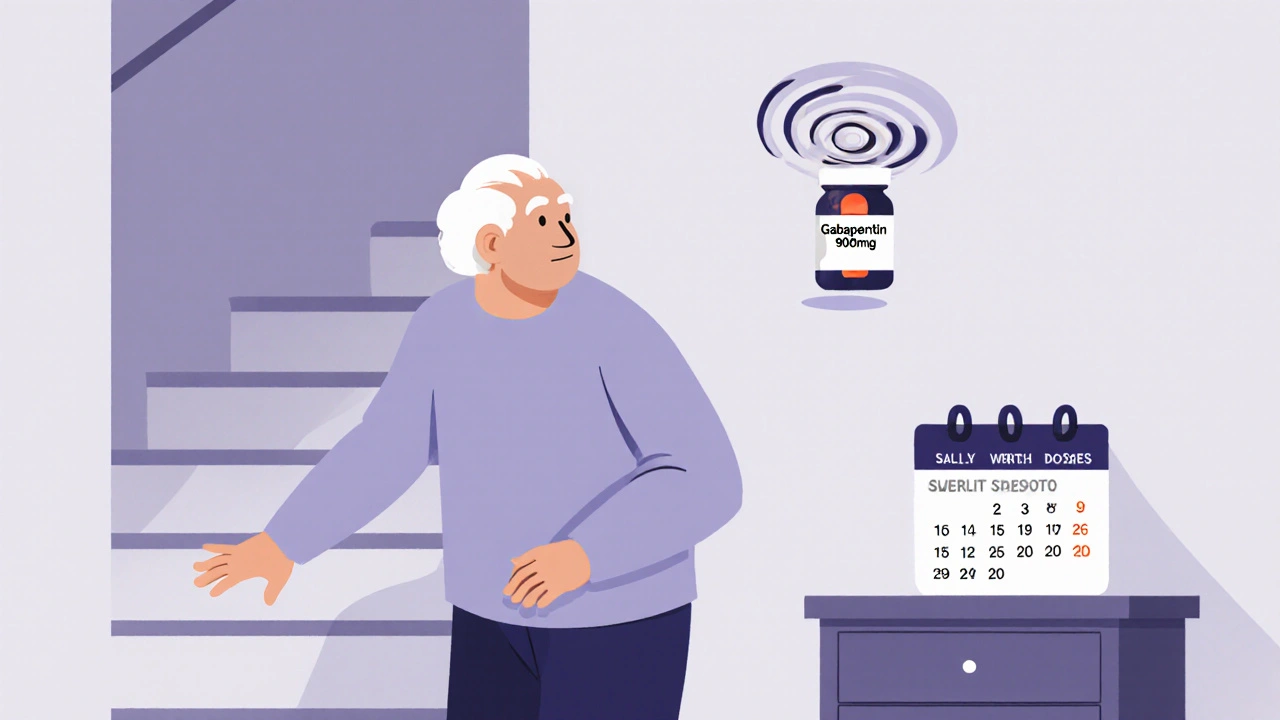
When doctors prescribe gabapentin, a prescription medication used primarily for nerve pain and seizures. Also known as Neurontin, it's one of the most commonly prescribed drugs for chronic pain, but getting the dose wrong can lead to dizziness, drowsiness, or worse. Unlike antibiotics or painkillers, gabapentin doesn’t work the same for everyone. Your dose depends on what you’re treating, your age, kidney function, and whether you’re taking other meds.
For nerve pain, often caused by diabetes, shingles, or spinal issues, most adults start at 300 mg once a day, then slowly increase to 300 mg three times daily. Many people need 1,800 to 3,600 mg per day to feel relief—but going too high too fast causes side effects like dizziness or swelling. For seizures, especially in adults with epilepsy, the starting dose is often lower, and increases are even slower. Kids and older adults need smaller doses because their bodies process the drug differently.
One big mistake? Skipping doses or stopping cold turkey. Gabapentin can trigger seizures if you quit suddenly, even if you’ve only been on it a few weeks. Always talk to your doctor before changing your dose. Also, don’t mix it with opioids, sleep aids, or alcohol—this combo can slow your breathing to dangerous levels. And if you have kidney problems, your dose must be adjusted. Many people don’t realize gabapentin leaves the body through the kidneys, so if they’re not working right, the drug builds up.
What you won’t find on the label? How long it takes to work. For nerve pain, some feel better in a week. Others need 4 to 6 weeks. Patience matters. And if you’re taking it for anxiety or insomnia—off-label uses you’ll hear about online—there’s less proof it helps. The FDA only approved it for seizures and nerve pain, so extra uses come with more uncertainty.
Below, you’ll find real-world comparisons and safety tips from posts that dug into gabapentin’s use, risks, and how it stacks up against other treatments. No fluff. Just what you need to know before you take your next pill.