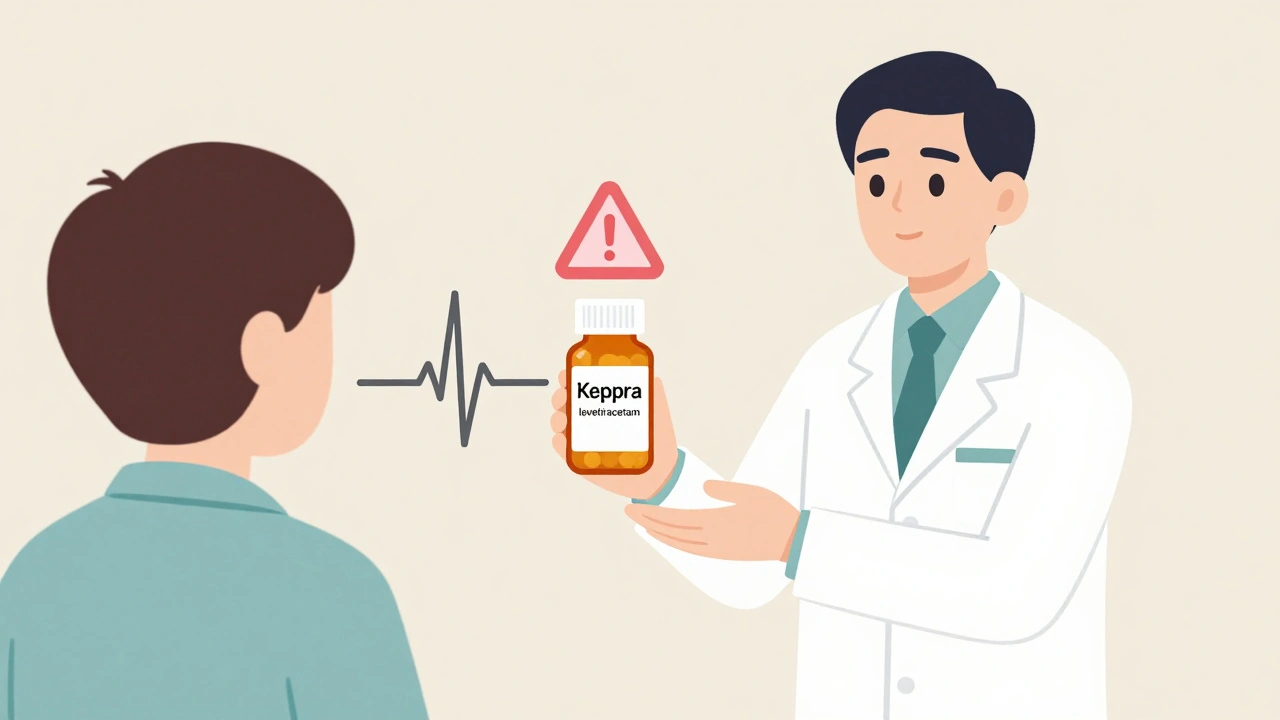
Narrow Therapeutic Index: What It Means and Why It Matters for Your Medications
When a drug has a narrow therapeutic index, a small difference between the dose that works and the dose that causes harm. Also known as a narrow therapeutic window, it means your body can’t tolerate much variation—too little and it doesn’t work, too much and it becomes dangerous. This isn’t just a technical term—it’s a life-or-death detail for people taking drugs like lithium, warfarin, or phenytoin. These aren’t your average pills. They’re powerful, precise tools that need careful handling.
Drugs with a narrow therapeutic index don’t play nice with other meds. Things like diuretics, medications that remove extra fluid from the body can push lithium levels into toxic range. NSAIDs, common pain relievers like ibuprofen can do the same. Even something as simple as changing your salt intake or getting sick can throw off the balance. That’s why therapeutic drug monitoring, regular blood tests to check how much drug is in your system is often required. It’s not about being overly cautious—it’s about making sure the medicine does its job without hurting you.
These drugs are common in treating serious conditions: seizures, heart rhythm problems, mood disorders, and blood clots. But they’re not one-size-fits-all. Your weight, age, kidney function, even what you eat can change how your body handles them. That’s why pharmacists and doctors don’t just hand out prescriptions—they watch, adjust, and ask questions. You might think generics are always interchangeable, but with a narrow therapeutic index, even small differences between brands can matter. That’s why switching without checking isn’t safe.
What you’ll find in the posts below isn’t just theory. It’s real-world advice from people who’ve lived with these meds. You’ll see how narrow therapeutic index affects daily life, what drug interactions to watch for, why blood tests aren’t optional, and how to talk to your provider when something feels off. These aren’t abstract concepts—they’re the quiet, critical details that keep people safe.
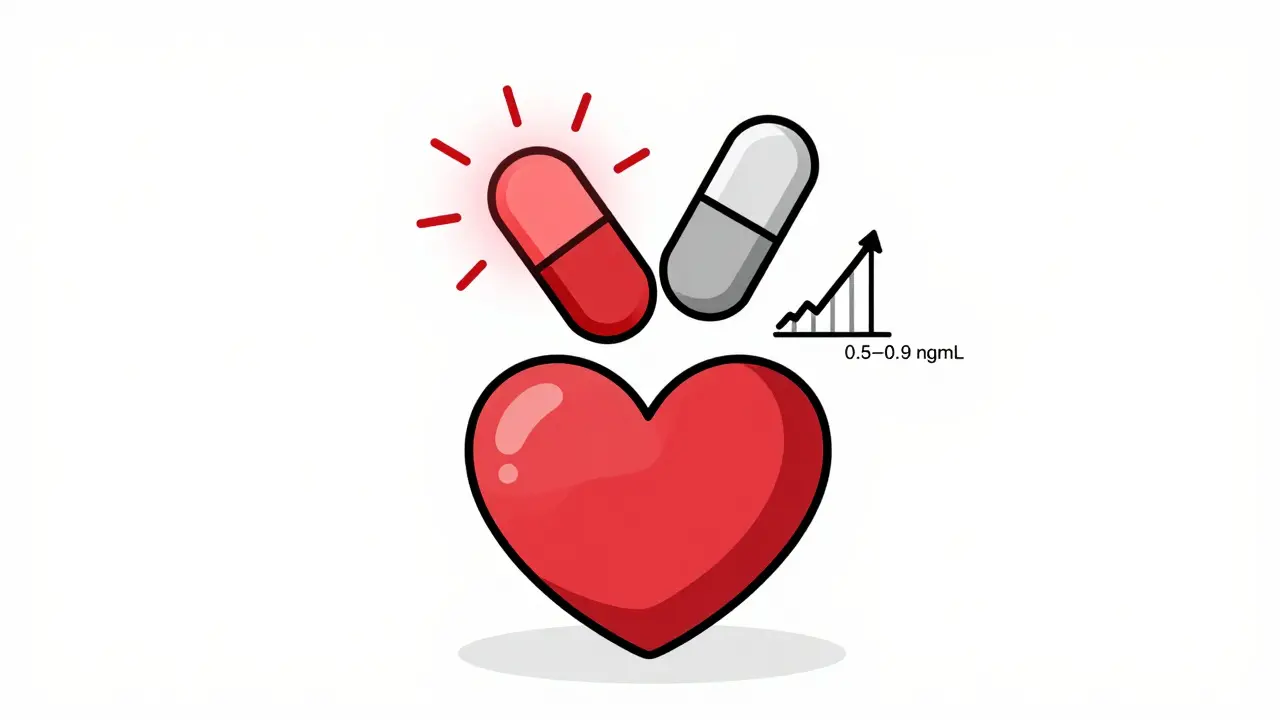
Digoxin and Amiodarone: How to Prevent Life-Threatening Drug Interactions