
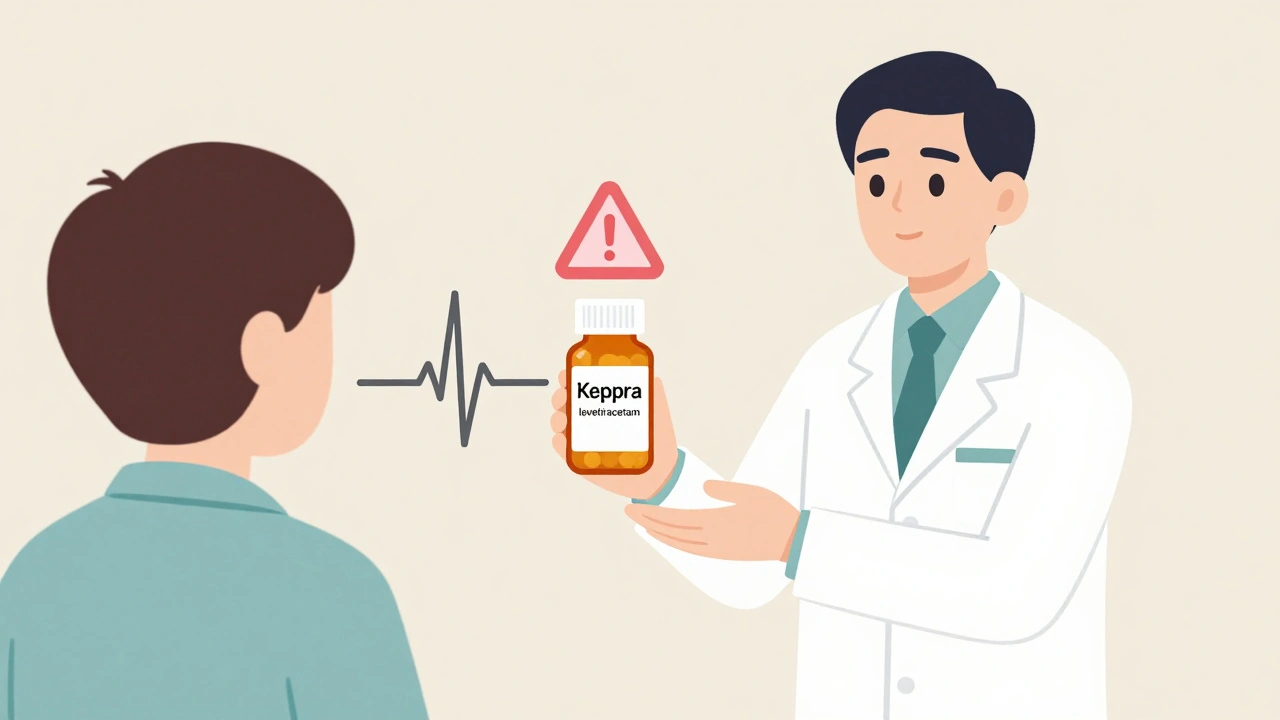
When a pharmacist hands you a pill bottle with a different name than what your doctor wrote, you might wonder: is this the same drug? For many, it is. But for others-especially those managing epilepsy, cancer, or heart conditions-the answer isn’t so simple. Medical societies don’t all agree on when generic drugs are safe to swap in place of brand-name ones. And that disagreement isn’t about cost. It’s about safety.
What Does ‘Therapeutic Equivalence’ Really Mean?
The FDA says generic drugs are just as good as brand-name drugs. They must contain the same active ingredient, strength, dosage form, and route of administration. They also have to prove they’re bioequivalent-that is, your body absorbs them at the same rate and to the same extent. The standard? The drug’s concentration in your blood must fall within 80% to 125% of the brand-name version. That’s the legal threshold. But here’s the catch: that range isn’t zero. For most medications, like antibiotics or blood pressure pills, it doesn’t matter. Your body can handle the tiny shifts. But for drugs with a narrow therapeutic index-where the difference between a helpful dose and a toxic one is razor-thin-that 25% margin becomes dangerous. Think of it like driving a car with no speedometer. You know you’re going 55 mph, but you’re not sure if it’s 53 or 57. For statins? Fine. For warfarin? A 2% change in blood levels can cause a stroke or a bleed. For anticonvulsants? It could trigger a seizure.Neurologists Say: Don’t Switch Antiepileptic Drugs
The American Academy of Neurology (AAN) is one of the few medical societies that explicitly warns against swapping generic versions of antiepileptic drugs. Why? Because patient stories back them up. In a 2023 survey of neurologists, nearly 70% reported seeing patients experience breakthrough seizures after switching to a generic version. Not because the generic was faulty. But because even small differences in absorption-sometimes just a few minutes’ delay in peak concentration-can throw off seizure control. The AAN doesn’t say generics are bad. They say: don’t switch unless you have to, and never without the doctor’s approval. This isn’t just opinion. It’s backed by clinical data. The CDC estimates 3.4 million Americans live with epilepsy. For many, stability is everything. A single seizure can mean losing a driver’s license, a job, or worse. States have responded differently. Some require prescriber consent before substituting NTI drugs. Others allow automatic substitution. That creates chaos. A patient in Texas might get switched without a word. The same patient in California might be protected by law. The inconsistency adds stress for patients and confusion for doctors.Oncologists Are More Flexible-But for a Different Reason
In cancer care, the rules are looser. The National Comprehensive Cancer Network (NCCN) doesn’t just accept generic drugs-they actively recommend them. Why? Because oncology is full of off-label uses. Many generic drugs used in cancer treatment weren’t originally approved for that purpose. A drug made for leukemia might be repurposed for lymphoma. The NCCN compendium is the only recognized source that validates these off-label uses for Medicare reimbursement. And because the drugs are already approved for one condition, switching to a generic version for another is often seamless. The key? The drug’s mechanism is well understood. If a generic methotrexate works for rheumatoid arthritis, it works the same way for lymphoma. No hidden variables. No unpredictable absorption. So oncologists trust generics-because the science supports it.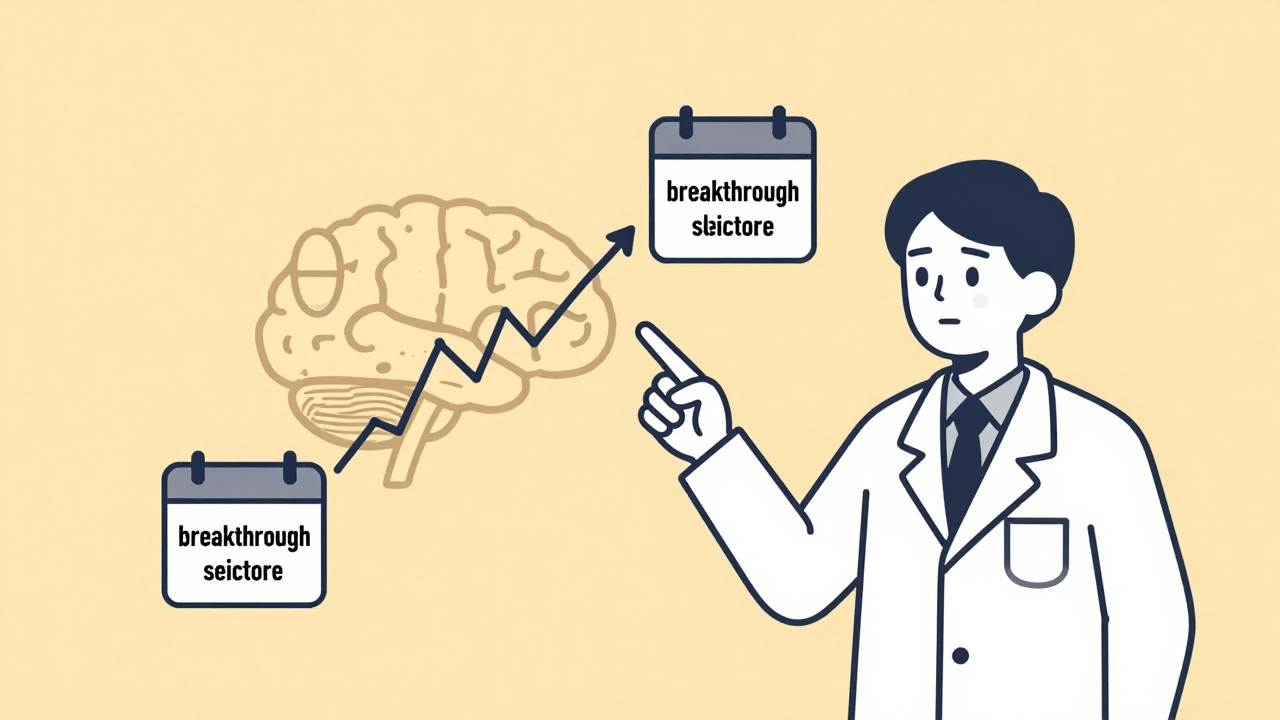
Why Naming Matters More Than You Think
You’ve probably noticed that generic drugs have weird names. Like levetiracetam instead of Keppra, or metoprolol succinate instead of Toprol-XL. That’s not random. It’s intentional. The American Medical Association’s United States Adopted Names (USAN) Council decides these names. Their job? Make them clear, safe, and hard to confuse. They use “stems”-endings that tell you the drug’s class. -pril means ACE inhibitor. -sartan means ARB. -prazole means proton pump inhibitor. This helps doctors and pharmacists spot similar drugs at a glance. But here’s the problem: if two drugs sound too similar, mistakes happen. One wrong letter, one misheard syllable, and a patient gets the wrong drug. That’s why the USAN Council avoids naming new drugs with prefixes that could be confused with existing ones. They’ve turned naming into a safety tool.Why 90% of Prescriptions Are Generic-And Why That’s Not the Whole Story
The FDA says 90% of prescriptions filled in the U.S. are generics. That’s true. And they cost only 23% of what brand-name drugs do. That’s why insurers push them. That’s why pharmacies stock them. But here’s what you don’t hear: that 90% includes antibiotics, antidepressants, and cholesterol meds-drugs where switching doesn’t matter. For those, generics are a win. Cheap, safe, effective. The problem comes with the 10% that aren’t. The ones that need precision. The ones where even a small change can break a patient’s stability. That’s where medical society guidelines matter most. They’re not anti-generic. They’re pro-safety.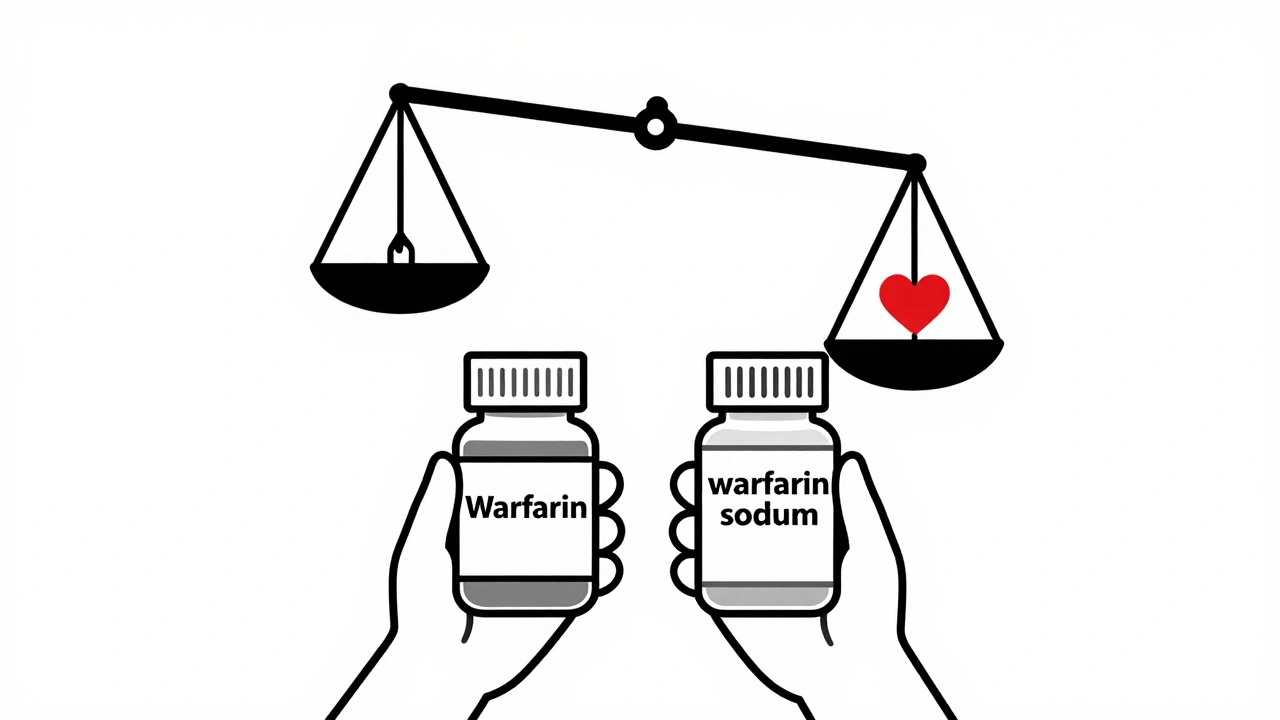
What Should You Do If You’re Switched to a Generic?
If you’re on a drug for epilepsy, thyroid disease, blood thinners, or certain heart conditions, don’t assume the switch is harmless. Ask your doctor:- Is this drug on the narrow therapeutic index list?
- Has this generic been tested for my condition?
- Will I need blood tests after the switch?
- Can I stick with the brand if I’ve been stable on it?
The Bottom Line: Guidelines Exist for a Reason
Medical societies aren’t resisting generics because they’re anti-cost-saving. They’re resisting them because they’ve seen what happens when safety gets ignored. For most people, generics are a gift. They make medicine affordable. They save lives. But for those with conditions where precision is everything, they’re a gamble. And no one should have to gamble with their health. The real question isn’t whether generics work. It’s: when is it safe to switch? And the answer isn’t the same for everyone.Frequently Asked Questions
Are generic drugs really as effective as brand-name drugs?
Yes-for most drugs. The FDA requires generics to have the same active ingredient, strength, and bioequivalence as brand-name versions. But for drugs with a narrow therapeutic index-like antiseizure meds, blood thinners, or thyroid hormones-even small differences in absorption can affect outcomes. That’s why some medical societies advise against switching these.
Why do some doctors refuse to allow generic substitution?
Doctors who oppose substitution, especially neurologists and endocrinologists, do so because of clinical experience. Many have seen patients lose seizure control or develop unstable thyroid levels after switching. It’s not about brand loyalty-it’s about preventing harm in cases where the margin for error is tiny.
Can I ask my pharmacist not to substitute my medication?
Yes. You can ask your doctor to write "Dispense as Written" or "Do Not Substitute" on the prescription. In many states, pharmacists must honor this. Even if the law allows substitution, your right to choose your medication doesn’t disappear.
Why do generic drugs have such complicated names?
Generic names are designed to be clear and safe. The American Medical Association’s USAN Council assigns names with stems that indicate drug class-like -pril for ACE inhibitors. This helps prevent confusion between similar drugs. A poorly chosen name could lead to a deadly medication error, so the naming process is strict and science-based.
Do insurance companies force generic substitutions?
Yes, often. Many insurers require patients to try the generic first before covering the brand-name version. But if your doctor documents medical necessity-like a history of instability after switching-the insurer must reconsider. Always ask for a prior authorization if you believe the brand is safer for you.
Comments (8)
So let me get this straight - we’re okay with switching my blood pressure pill but not my seizure med? Cool. So if I’m on warfarin and my pharmacist swaps it out, I’m just supposed to hope I don’t turn into a human pincushion? Thanks for the reassurance, FDA. 🙃
Okay but have y’all seen the names they give generics? Levetiracetam? Metoprolol succinate? Who thought this was a good idea? It’s like they’re trying to make pharmacists hallucinate. I once saw a nurse hand someone ‘metoprolol’ instead of ‘metoprolol tartrate’ and the patient ended up in the ER. Not a joke. This isn’t just about bioequivalence - it’s about alphabet soup with lethal consequences.
And don’t even get me started on how pharmacies auto-substitute like it’s a game of musical chairs. My grandma’s thyroid med got switched last year. She started forgetting her own name. Took three months and three doctors to figure out it was the generic. She’s fine now, but she won’t touch anything that doesn’t say ‘Synthroid’ on it. And neither will I.
Bro. I’m a nurse. I’ve seen this play out a hundred times. Generic = fine for antibiotics, antidepressants, statins. But switch someone on Keppra to levetiracetam and suddenly they’re having 3 seizures in a week? Yeah. That’s not ‘bioequivalent.’ That’s a disaster waiting for a paperwork stamp.
And yeah, insurance companies push generics hard. But when your patient loses their license because they had a seizure on a new pill, guess who gets the call? Not the pharmacist. Not the FDA. You. So yeah, I write ‘DO NOT SUBSTITUTE’ on every single script for epilepsy, warfarin, and thyroid meds. And I don’t care if the pharmacy groans.
From a clinical pharmacology standpoint, the narrow therapeutic index (NTI) paradigm is non-negotiable for drugs with a therapeutic window less than 2:1. Bioequivalence thresholds of 80–125% are statistically valid for population-level outcomes, but they are clinically inadequate for individualized, high-risk pharmacotherapy. The AAN’s position is not anecdotal - it’s evidence-based. Pharmacokinetic variability, even within ±10%, can precipitate therapeutic failure or toxicity in NTI drugs. This isn’t about brand loyalty; it’s about minimizing inter-patient variability in drug exposure. We need standardized, condition-specific substitution protocols - not state-by-state chaos.
Also, the USAN Council’s stem-based nomenclature is one of the most underappreciated patient safety innovations in modern medicine. It’s not about complexity - it’s about cognitive load reduction for prescribers. Misidentification of drugs like ‘amlodipine’ vs. ‘amlodipine besylate’ can lead to dosing errors. Naming is a pharmacovigilance tool.
It’s funny how we treat medicine like a spreadsheet. ‘90% generics’ sounds like a win until you realize that 90% includes drugs where it doesn’t matter - and the 10% that do matter? The ones that keep people alive? We treat those like afterthoughts. We optimize for cost, not care. We let pharmacists swap pills without consulting the person who actually knows what the drug does to the body - the doctor. And then we wonder why people are anxious, confused, or worse.
This isn’t anti-generic. It’s pro-human. We don’t need more efficiency. We need more humility. Not every problem can be solved by a cheaper pill. Sometimes, stability is the most expensive thing of all.
My cousin’s kid has epilepsy. They switched generics and he had a seizure at school. The school called. The mom cried. The doctor said ‘it happens.’ No apology. No compensation. Just ‘it’s the same drug.’ Same drug? Bro, my cousin’s kid doesn’t care about FDA math. He cares about not waking up in the ER again.
And can we talk about how pharmacies just hand you a new bottle like it’s a coupon? No warning. No ‘hey, this might mess you up.’ I’ve seen people cry because they didn’t even know they were switched. This isn’t healthcare. It’s a vending machine with a stethoscope.
in india we dont even get brand names most times… we just get generics and its fine… but i heard a story from a friend whose dad was on warfarin and after switch he started bleeding from gums… took 2 weeks to fix… so yeah… maybe not all generics are same… i think doctors should be more clear… not just write script and let pharmacy decide…