
Statin Side Effects: What You Need to Know Before Taking Cholesterol Meds
When you take a statin, a class of drugs prescribed to lower LDL cholesterol and reduce heart attack risk. Also known as HMG-CoA reductase inhibitors, these pills are among the most prescribed medications in the world—but they’re not harmless. Millions of people use them without issue, but for others, the side effects aren’t just annoying—they can be disabling.
One of the most common complaints is muscle pain, a dull ache or weakness that often shows up in the thighs, shoulders, or back. It’s not always easy to tell if it’s from statins or just aging or exercise. But if the pain starts after you begin the drug and goes away when you stop, it’s likely connected. Some people even develop a rare but dangerous condition called rhabdomyolysis, where muscle tissue breaks down and can damage the kidneys. It’s rare—less than 1 in 10,000—but it’s serious enough that doctors check your creatine kinase levels if symptoms appear.
Then there’s liver damage, a risk flagged on every statin label, though actual cases are uncommon. Your doctor will order a liver enzyme test before you start and maybe again a few weeks later. If levels rise above three times the normal range, they’ll likely switch you off. Most people never see this happen, but if you drink alcohol heavily or have fatty liver disease, your risk goes up.
Other side effects include digestive problems, like nausea, diarrhea, or constipation, which often fade after a few weeks. Some people report memory fog or confusion—studies are mixed, but if you notice changes in your thinking, talk to your doctor. It’s not proven to be caused by statins, but it’s worth checking.
And don’t forget drug interactions, especially with grapefruit juice, certain antibiotics, and other cholesterol meds. Grapefruit can make your body absorb more of the drug than it should, raising your risk of side effects. Some antibiotics like clarithromycin can do the same. If you’re on more than one medication, always check for clashes.
Not everyone needs a statin. If your cholesterol is high but your heart risk is low, lifestyle changes—diet, walking, losing weight—might be enough. Statins aren’t magic pills. They work best when paired with real habits. And if you’re worried about side effects, you’re not alone. Many people stop taking them because of how they feel, not because their doctor told them to.
Below, you’ll find real stories and clear comparisons about statin side effects, how they stack up against other cholesterol drugs, what to watch for, and what to do if you think your meds are hurting you more than helping. These aren’t theoretical warnings—they’re based on what people actually experience, what doctors have seen, and what the data shows.
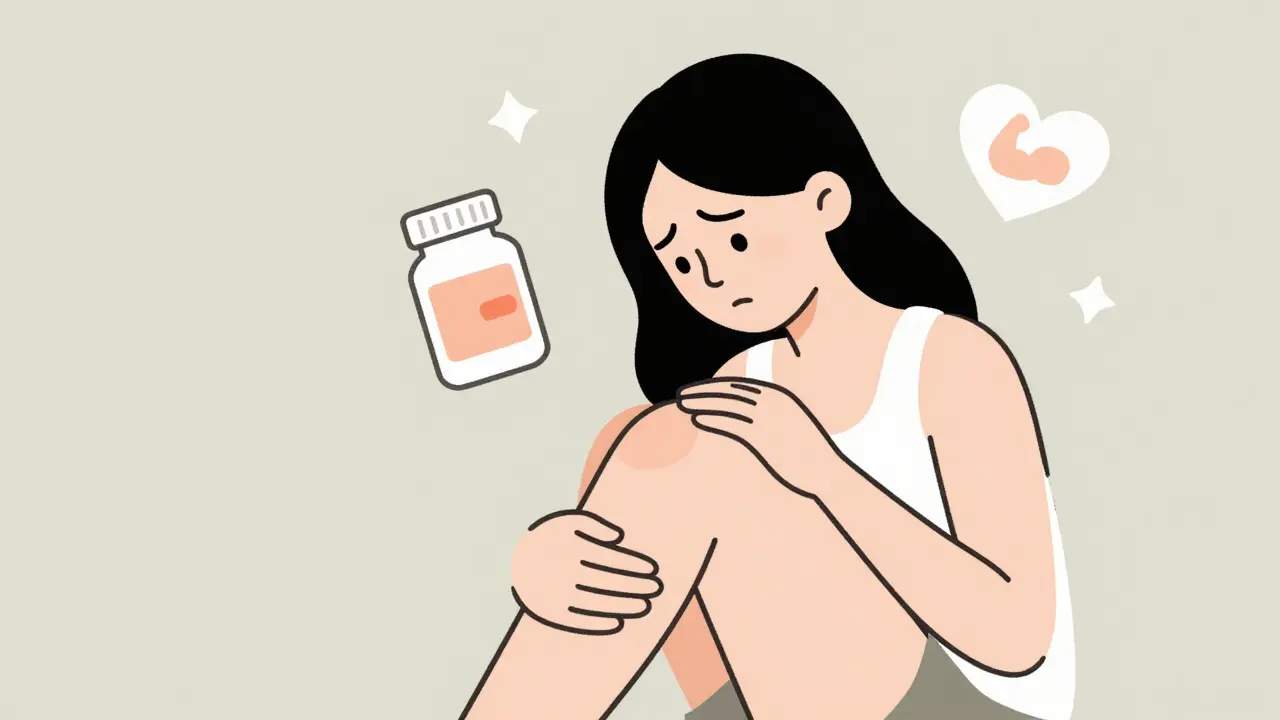
Muscle Aches from Statins: What Really Happens and What to Do
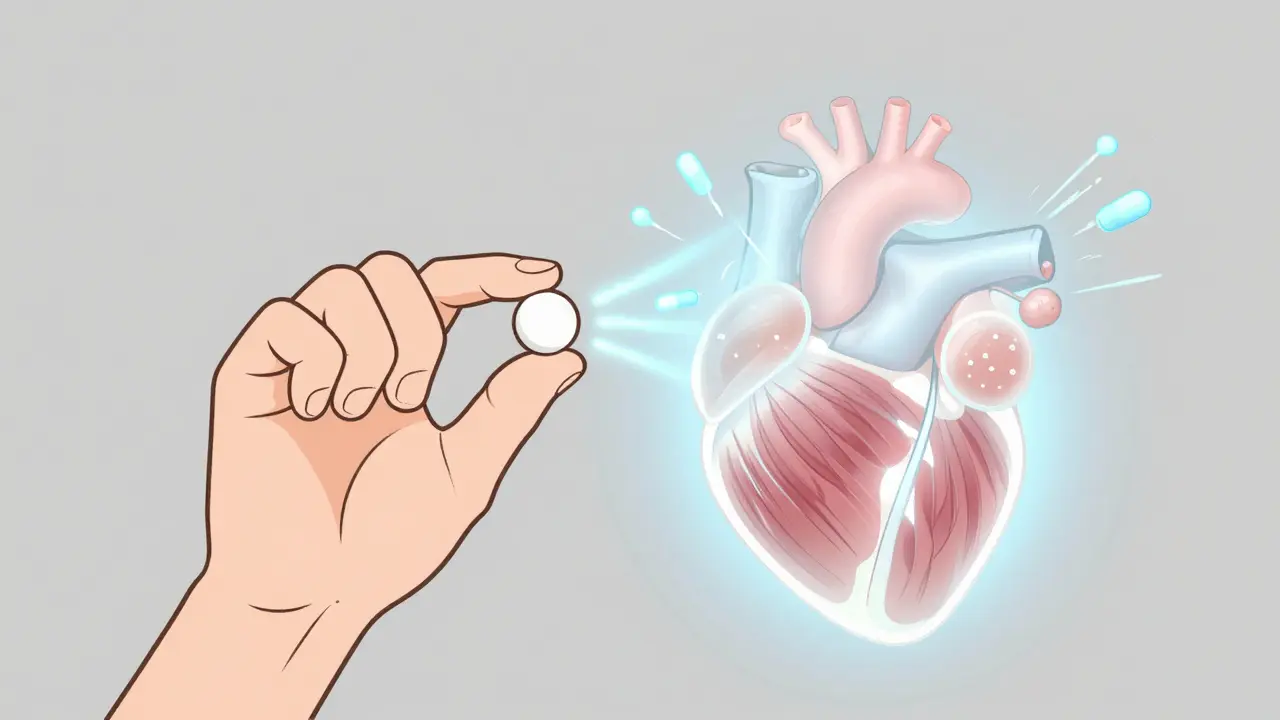
Coenzyme Q10 with Statins: Does It Help Muscle Pain?
