
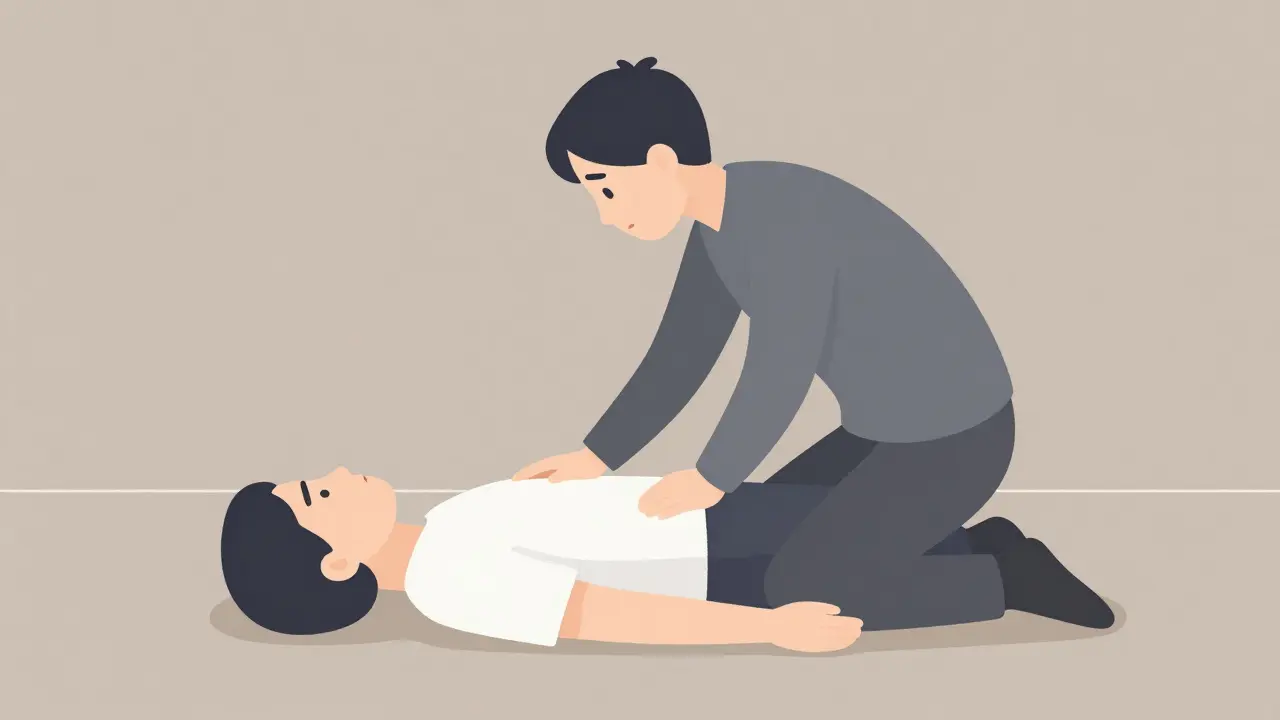
Every second counts when someone's life hangs in the balance. If you suspect an overdose, the difference between life and death often comes down to what you do in the first few minutes before professional help arrives. Brain damage can start within four to six minutes of oxygen deprivation, making your immediate actions critical. You don't need to be a doctor to save a life, but you do need to know the right steps to take right now.
This guide breaks down the exact protocol used by emergency responders, adapted for bystanders. Whether you are in Melbourne or anywhere else, the core principles of maintaining airway, breathing, and circulation remain the same. We will walk through recognizing the signs, calling for help, and the specific techniques to keep someone alive while waiting for Emergency Medical Services to arrive.
Recognizing the Signs of an Overdose
Before you can act, you need to know what you are looking for. An overdose isn't always dramatic like in the movies. Often, it looks like someone is just sleeping deeply, which is why many people delay calling for help. You need to check for specific physical signs that indicate a medical emergency.
The most critical sign is breathing. Normal breathing happens 12 to 20 times a minute. If you see slow, shallow, or irregular breathing, or if you hear gurgling or snoring sounds, this is a red flag. Gasping is not breathing. If the person is unresponsive to your voice or a gentle shake on the shoulder, treat it as an overdose immediately.
Look at their skin and pupils. Pale, blue, or gray skin around the lips and fingernails indicates a lack of oxygen. For opioid overdoses, pupils often shrink to pinpoint size. However, do not rely solely on this. With the rise of fentanyl and other synthetic drugs, pupils can sometimes remain normal-sized even during a severe overdose. If you are unsure, assume the worst and act.
Overdose Response is the immediate first aid procedures implemented when someone has potentially consumed excessive amounts of drugs, alcohol, or medications before professional medical assistance arrives. The goal is to maintain vital functions until help arrives.
Step One: Call Emergency Services Immediately
The single most important intervention is getting professional help on the way. In Australia, dial 000. In the United States, dial 911. Do not wait to see if they wake up. Do not wait to find naloxone. Call first. Tell the operator clearly that you suspect an overdose and give your exact location.
Why call first? Emergency responders bring advanced equipment and medications that you cannot access. Studies show that immediate EMS arrival reduces mortality significantly compared to waiting for spontaneous recovery. While you are on the phone, keep the person in sight. If you have to leave to get help, put them in the recovery position first so they don't choke.
Stay on the line with the operator. They can talk you through CPR if needed and track the ambulance's location. Good Samaritan laws in many regions protect you from legal trouble when calling for help in an overdose situation, so do not let fear of arrest stop you from saving a life.
Step Two: Position the Person Correctly
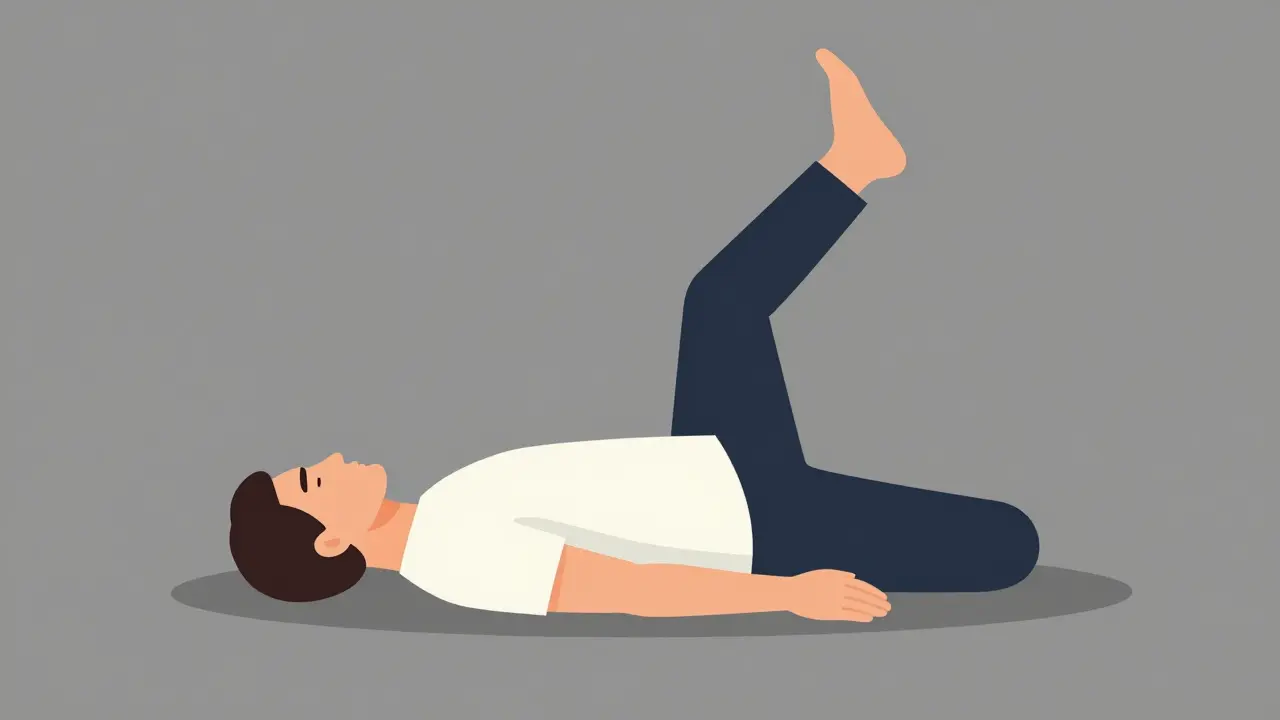
If the person is unconscious but still breathing, you must prevent them from choking on their own tongue or vomit. The safest position is the recovery position. This keeps the airway open and allows fluids to drain from the mouth.
To do this correctly, roll the person toward you onto their left side. This is often called a "log roll" because you move their whole body as one unit to protect the spine. Bend their top leg at the hip and knee so it forms a 90-degree angle. This stabilizes them so they don't roll onto their stomach or back. Tilt their head back slightly to keep the airway patent. Check that nothing is blocking their mouth.
It takes about 12 to 15 seconds to execute this correctly if you have practiced. If you are untrained, it might take longer, but do not skip this step. If they vomit while lying on their back, they can aspirate, which increases the risk of fatal complications. Keep them on their side until paramedics take over.
Step Three: Check Breathing and Provide Rescue Breathing
If the person is not breathing or only gasping, you need to start rescue breathing immediately. Unlike standard CPR for cardiac arrest, which involves chest compressions, overdose-related cardiac arrest often starts with respiratory failure. In many overdose cases, rescue breathing alone is sufficient to keep oxygen flowing until the drug wears off or naloxone takes effect.
Pinch the person's nose shut. Take a normal breath and seal your mouth over theirs. Blow air into their mouth for about one second. Watch their chest. If it rises, you have successfully delivered air. If the chest does not rise, check for obstructions and try again.
You need to deliver one breath every 5 to 6 seconds. This equals about 10 to 12 breaths per minute. Do not blow too hard, or you will inflate their stomach instead of their lungs. Continue this rhythm without stopping until the person starts breathing on their own or EMS arrives. This is physically demanding, so if you have a partner, switch roles every two minutes to avoid fatigue.
Rescue Breathing is a life-saving technique where a rescuer provides breaths to a person who is not breathing adequately. It is critical for reversing respiratory depression caused by drugs.
Step Four: Administer Naloxone if Available
If you suspect an opioid overdose, naloxone is the antidote. It works by kicking opioids off the receptors in the brain, reversing the respiratory depression. It is safe to use even if you are not sure, as it will have no effect if opioids are not present.
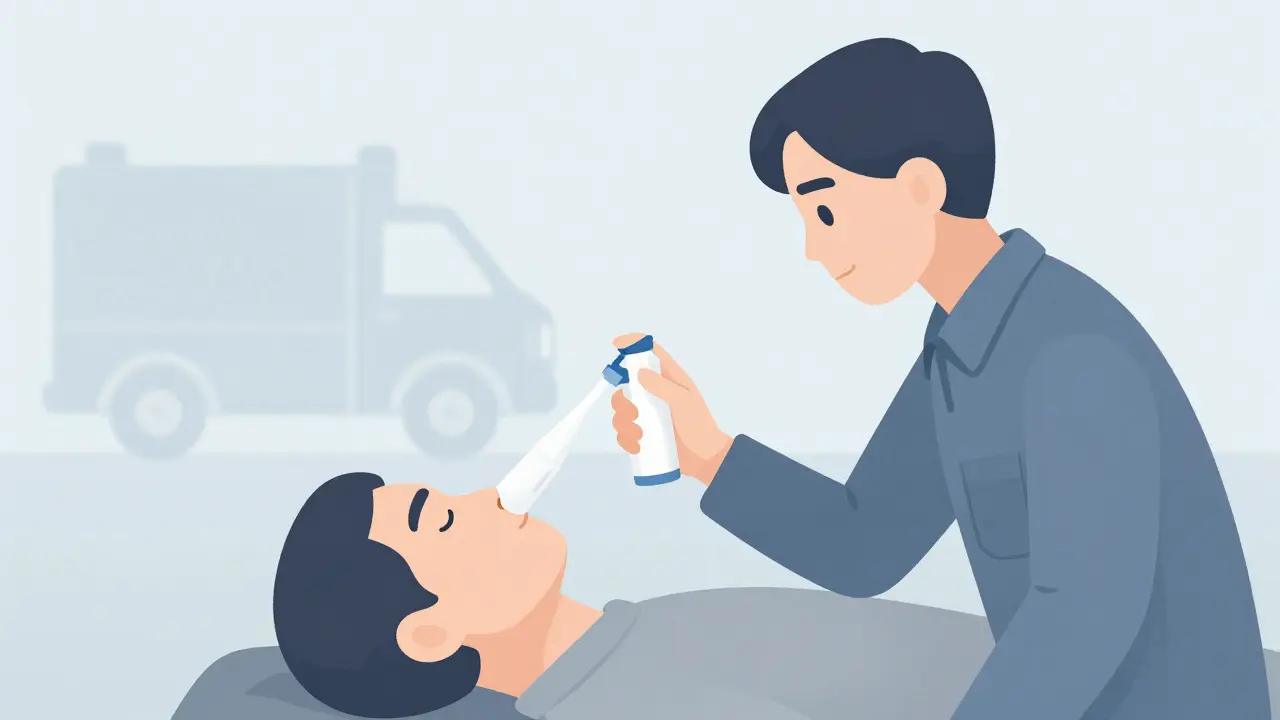
Most naloxone comes as a nasal spray. Place the person on their back. Tilt their head back slightly. Insert the nozzle into one nostril and press the plunger firmly for 2 to 3 seconds. If they do not wake up within 2 to 3 minutes, you can administer a second dose into the other nostril.
Do not assume they are safe just because they wake up. The effects of naloxone last 30 to 90 minutes, while the drugs in their system may last longer. They can slip back into overdose once the naloxone wears off. This is why hospital evaluation is mandatory. Keep them under observation until medical professionals confirm they are stable.
Naloxone is a medication that reverses the effects of opioids. It is highly effective when administered promptly, with studies showing high success rates in reversing respiratory depression.
Substance-Specific Considerations
Not all overdoses look the same. The protocol changes slightly depending on the substance involved. Opioids cause breathing to slow down, so the focus is on airway and breathing. Stimulants like cocaine or MDMA work differently, often causing overheating and heart strain.
If you suspect a stimulant overdose, the person might be agitated, sweating heavily, or have a very high heart rate. The priority here is cooling them down. External cooling measures are essential to reduce body temperature below 40°C within 30 minutes to prevent organ damage. Use cool water on the skin or move them to a cooler environment. Do not use ice baths or cold showers, as these can trigger dangerous heart rhythm changes.
For alcohol overdoses, the risk is similar to opioids regarding airway protection. Alcohol suppresses the gag reflex, meaning the person is at high risk of choking if they vomit. Keep them in the recovery position and monitor their breathing closely. Do not give them food or more fluids if they are unconscious.
| Substance Type | Primary Risk | Key Intervention | Naloxone Effective? |
|---|---|---|---|
| Opioids | Respiratory Failure | Rescue Breathing, Naloxone | Yes |
| Stimulants | Overheating, Heart Strain | Cooling, Calming | No |
| Alcohol | Choking, Hypoglycemia | Recovery Position, Airway | No |
What NOT to Do During an Overdose
Well-intentioned actions can sometimes cause harm. Avoid putting the person in a cold shower or ice bath, especially for stimulant overdoses, as this can cause cardiac arrhythmias. Do not try to make them vomit, as this increases the risk of aspiration pneumonia. Do not leave them alone to "sleep it off." Many overdose deaths occur because bystanders mistakenly believe the person is just sleeping.
Do not give them coffee or other stimulants to wake them up. This adds stress to an already compromised system. Do not move them unless they are in immediate danger (like a car or unsafe location). If you must move them, use the recovery position technique to protect their airway.
Finally, do not stop rescue breathing too early. Some people believe that once naloxone is given, the job is done. However, the drug can wear off before the person is fully stable. Continue monitoring their breathing and pulse every 2 to 3 minutes until EMS takes over.
Monitoring Vital Signs
While waiting for help, you are the eyes and ears of the medical team. Check their vital signs regularly. Count their breaths for 30 seconds and multiply by two to get the rate. Check their pulse at the neck or wrist. A normal pulse is between 60 and 100 beats per minute.
Use the AVPU scale to track their level of consciousness. This stands for Alert, Voice, Pain, Unresponsive. If they respond to your voice, that is better than only responding to pain. If they are unresponsive, you may need to start chest compressions if their heart stops. Document these changes if possible, as telling the paramedics exactly when breathing stopped or changed can help their treatment.
Keep the environment calm. If the person wakes up, they might be confused or agitated. Speak to them in a low, calm voice. Reassure them that help is on the way. Do not argue with them or try to force them to stay awake if they are exhausted. Your priority is keeping their airway open and breathing steady.
Preparing for the Future
Knowing this information is vital, but practice makes perfect. Consider taking a formal first aid or overdose response course. Organizations like the Red Cross offer training that covers these exact scenarios. Many communities also offer naloxone distribution programs where you can get the medication and training for free.
Keep naloxone in an accessible place if you or people you know use opioids. It does not require a prescription in many places now. Check the expiration date regularly. Having the kit ready means you won't waste precious minutes searching for it during an emergency.
Remember, your presence matters. Bystander intervention can reduce overdose mortality by up to 50%. By staying calm, calling for help, and following these steps, you give the person the best chance of survival. Trust your training and trust your instincts.
What should I do if the person starts breathing on their own?
Keep them in the recovery position on their side. Continue to monitor their breathing and pulse every few minutes. Do not let them sleep alone. They can slip back into an overdose once the medication wears off, so ensure they stay with you until medical professionals arrive.
Can I give naloxone if I'm not sure what drug was taken?
Yes. Naloxone is safe to use even if opioids are not present. It will simply have no effect on non-opioid substances. In cases of mixed overdoses, it is recommended to administer naloxone first if there is any suspicion of opioid involvement.
How long does naloxone last in the body?
Naloxone typically lasts for 30 to 90 minutes. Many drugs stay in the system longer than this. This means the person can overdose again after the naloxone wears off. Continuous monitoring and hospital follow-up are essential.
Should I perform chest compressions for an overdose?
Usually, rescue breathing is sufficient for overdose-related respiratory failure. Chest compressions are only needed if there is no pulse. If the heart stops, then you should begin full CPR with compressions and breaths.
What if the person vomits while unconscious?
Ensure they are in the recovery position on their side so the vomit can drain out of the mouth. If they are on their back, roll them onto their side immediately to prevent choking. Clear any blockages from the mouth carefully.
Comments (12)
Yeah right, like I'm gonna stick my mouth on a stranger's face.
It is really important to have this information available for everyone to see. I appreciate the clear breakdown of the steps involved in the process. Knowing the recovery position can prevent a lot of complications during an emergency. Good Samaritan laws are a huge relief for people who might be afraid to act. We should encourage more people to take the training courses mentioned in the guide. It gives me peace of mind knowing there is a protocol to follow. Spreading this awareness could genuinely save a lot of lives in our communities.
Hey there, don't let the fear stop you from doing the right thing! You have the power to make a huge difference in someone's life right now. 😊 It feels scary but the training makes it so much easier to handle. Just remember that every breath you give is a gift to them. 💪 We can all be heroes if we just stay calm and follow the steps. Keep this guide handy and you will be ready for anything. You got this! ✨
they say the protocol is standard but look at the funding sources behind the guidelines. it is clear the pharmaceutical industry pushes naloxone distribution for profit. they fail to mention the synthetic opioids designed to resist reversal agents. the data on respiratory depression is often manipulated to fit the narrative. we see the same patterns in other medical interventions where the public is kept in the dark. emergency services are just the enforcers of this chemical control system. they want you to believe breathing is the only priority but they ignore the long term neurological damage. the recovery position is a basic maneuver that ignores spinal trauma risks in certain scenarios. we must question the urgency of hospital evaluation when the root cause is not addressed. many communities lack access to these kits due to bureaucratic red tape. the statistics on mortality reduction are likely inflated to justify increased funding. bystander intervention is a way to offload liability onto the general population. do not trust the advice given without verifying the source material yourself. the rise in overdoses correlates with specific policy changes in recent years. we need to demand transparency before following these instructions blindly. the system is designed to keep you dependent on their interventions.
While skepticism is healthy, the physiological mechanisms are well documented in medical literature. Respiratory depression remains the primary cause of fatality in these scenarios. Immediate intervention is the only variable we can control effectively. Trusting the established protocols maximizes survival probability significantly.
I guess we are just supposed to play god now with strangers. It feels like we are overstepping boundaries by interfering with personal choices. Maybe the universe has a plan for these people that we should respect. 😒
I understand your hesitation but compassion is the core of our humanity here. 🤗 We cannot predict outcomes but we can offer a chance at life. Every person deserves the opportunity to get help when they are struggling. 💕 Let's focus on kindness rather than judgment in these moments.
stop overthinking it and just call the number. hesitation kills people faster than the drug does. follow the instructions and do not make it about your feelings. your job is to keep them breathing until the pros get there. do not debate the ethics while someone is dying.
I lost my bro last year because i was scared to touch him. its my fault i didnt know what to do. reading this makes me cry cause i could have saved him. please learn this stuff so you dont feel like i do. its so hard to live with the guilt of doing nothing. i hope nobody else has to go through this pain again.
I would like to express my sincere appreciation for this detailed resource. It is essential that we all educate ourselves on emergency response procedures. Formal training is highly recommended for anyone interested in this topic. We must remain vigilant and prepared for such unfortunate situations. Thank you for sharing this vital information with the community.
they talk about 000 when we are in america. just call 911 and save your time. foreign protocols dont work here anyway. stick to the basics and keep it simple.
The chaos of the moment can feel like a storm of noise and panic. Visualizing the steps beforehand creates a mental anchor in the darkness. Imagine the cool air of the recovery position stabilizing the scene. It is a dance of life and death played out on a living room floor. We are the conductors of this brief but critical symphony. Keep your hands steady and your voice low and calm.