

You might assume that once a generic drug gets the green light from the government, the hard part is over. In reality, approval is just the beginning. Because generic drugs are tested on a small group of healthy volunteers-usually just 24 to 36 people-it's impossible to know every possible side effect before the drug hits the pharmacy shelves. The real test happens when millions of people with different health conditions, ages, and genetic makeups start taking the medication. This is where drug safety monitoring is the ongoing process of tracking a medication's performance and safety profile after it has been released to the general public comes into play.
The Safety Net: How the FDA Tracks Generics
The FDA doesn't just wait for phone calls to find out if a drug is causing problems. They use a multi-layered system to keep an eye on generics. At the center of this is the FDA Adverse Event Reporting System ( FAERS ), a massive database that stores safety reports from doctors and patients. In 2022 alone, this system processed roughly 2 million reports. If a specific generic drug starts showing a pattern of unexpected side effects, a team of epidemiologists and scientists in the Office of Surveillance and Epidemiology steps in to figure out why.
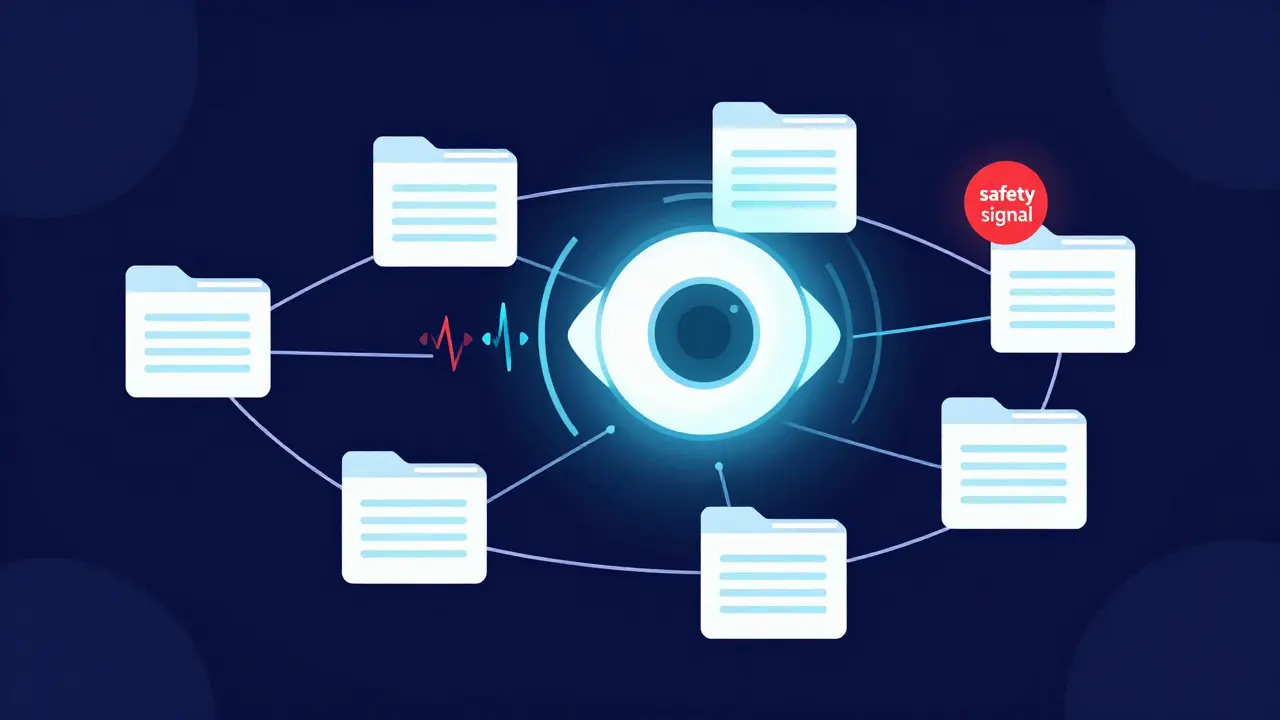
But reporting isn't always enough because people often forget to report side effects. To fix this, the FDA launched the Sentinel Initiative. Instead of waiting for a report, Sentinel actively searches through electronic health records of over 100 million patients. It's like having a digital early-warning system that can spot a safety signal in real-time across multiple healthcare systems, rather than relying on a single doctor's observation.
Bioequivalence vs. Real-World Safety
To understand why post-market monitoring is so critical, you have to understand how generics are approved. Unlike brand-name drugs, which go through massive clinical trials, generics use an Abbreviated New Drug Application ( ANDA ). They don't have to prove the drug works from scratch; they only have to prove bioequivalence-that the generic delivers the same amount of active ingredient to the bloodstream at the same rate as the original.
While that sounds foolproof, there's a catch. Generics often have different "inactive ingredients" (fillers, binders, or dyes). While these are generally harmless, they can occasionally cause different reactions in sensitive patients. This can lead to "therapeutic inequivalence," where the drug is chemically the same but behaves differently in a real person. The FDA's Office of Generic Drugs ( OGD ) spends a significant amount of time investigating these rare but impactful differences.
| Feature | Brand-Name Drugs | Generic Drugs |
|---|---|---|
| Pre-Approval Testing | Thousands of patients in clinical trials | 24-36 healthy volunteers (Bioequivalence) |
| Primary Safety Focus | Establishing a new safety profile | Matching the Reference Listed Drug (RLD) profile |
| Post-Market Risk | New systemic side effects | Impurity levels and inactive ingredient reactions |
| Regulatory Pathway | New Drug Application (NDA) | Abbreviated New Drug Application (ANDA) |
Keeping the Factories in Check
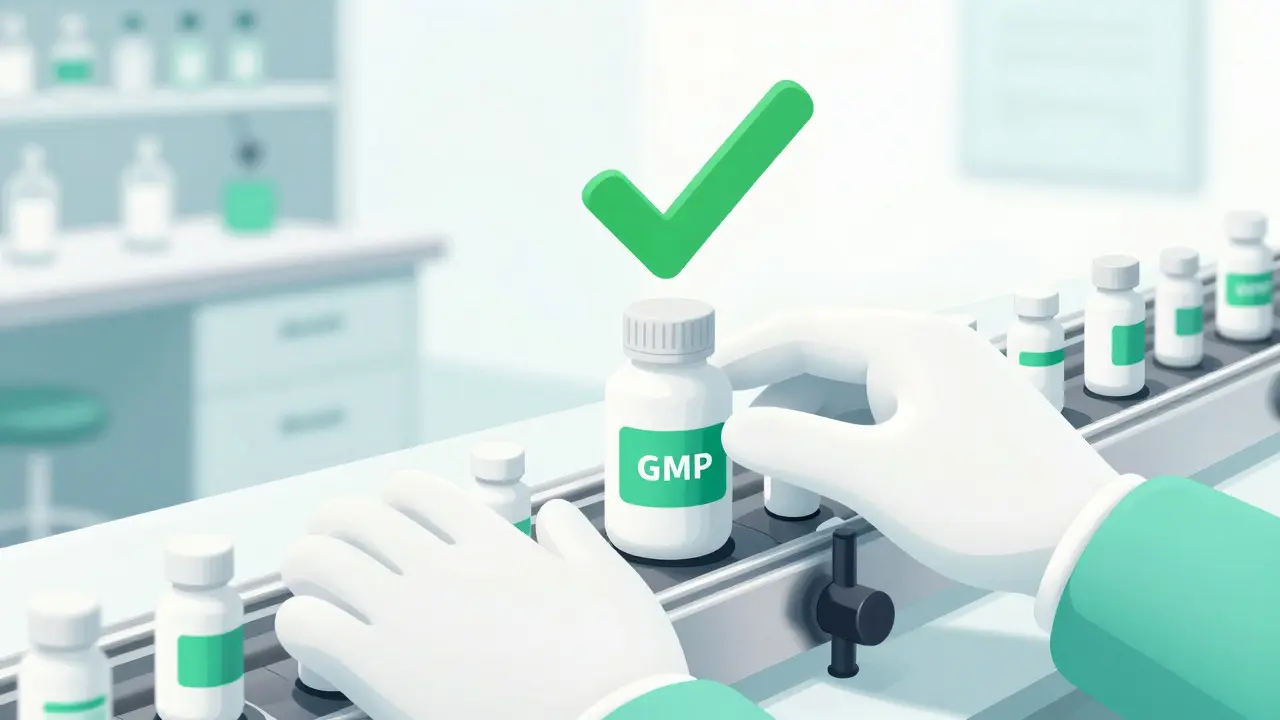
Safety isn't just about how the drug reacts in your body; it's about how it's made. A perfectly designed drug can become dangerous if the factory is dirty or the chemicals are impure. The FDA enforces Current Good Manufacturing Practices ( cGMP ) to prevent this. Every year, the agency conducts about 1,800 inspections of domestic and foreign facilities.
They look for three main things during these raids: control of raw materials, production process stability, and lab testing accuracy. If a factory in India or a plant in the US slips up on these, the FDA can trigger a voluntary product recall. This prevents a batch of "bad" generics from ever reaching your medicine cabinet. The Office of Pharmaceutical Quality ( OPQ ) specifically handles the review of impurities to ensure that any chemical leftovers from the manufacturing process stay below a safe threshold.
What Happens When Something Goes Wrong?
When the FDA detects a "safety signal"-which is basically a red flag in the data-they don't just sit on it. They follow a risk-based protocol. Depending on how dangerous the issue is, they take different steps. If the problem is minor, they might just ask the company to update the patient information leaflet or send a "Dear Healthcare Provider" letter to warn doctors.
If the problem is more serious, like a contaminant in a specific lot of medication, they move to enforcement actions. This usually starts with a voluntary recall where the company pulls the drug from shelves. In the absolute worst-case scenario, a drug can be completely withdrawn from the market. These decisions are made by the Clinical Safety and Surveillance Committee, a group of physicians and chemists who weigh the risks against the benefits of the drug.
The Cost of Safety: Who Pays?
Maintaining this level of surveillance isn't cheap. The system is largely funded by the Generic Drug User Fee Amendments ( GDUFA ). Essentially, the companies that make the generics pay a fee to the FDA to have their drugs reviewed and monitored. This ensures the agency has the budget to hire the necessary scientists and maintain the Sentinel databases without relying solely on taxpayer money.
This funding is crucial because the generic market is massive. Generics make up about 90% of all prescriptions filled in the US. Because so many people use them, even a tiny safety flaw can affect millions of lives. The challenge moving forward is "complex generics"-things like nasal sprays or modified-release tablets. These aren't as simple as a standard pill and require much more sophisticated monitoring to ensure they release the medicine correctly over time.
Are generic drugs less safe than brand-name drugs?
No. Generic drugs must meet the same safety and efficacy standards as brand-name drugs. The main difference is that generics don't repeat the original clinical trials; instead, they prove they are bioequivalent. The FDA's post-market monitoring is specifically designed to catch any rare issues that the smaller initial test groups might have missed.
What is a "safety signal" in FDA terms?
A safety signal is a reported side effect or a pattern in health data that suggests a new possible causal association between a drug and an adverse event. It's not proof that the drug caused the problem, but rather a "red flag" that tells the FDA they need to investigate further using data mining and clinical review.
How can I report a problem with my generic medication?
The best way to report a side effect or a quality issue is through the MedWatch program. You can submit a report online via the FDA website. This data goes directly into the FAERS database, which helps the FDA spot patterns across thousands of patients.
Why do some generics have different inactive ingredients?
Inactive ingredients (excipients) are used to stabilize the drug, make it easier to swallow, or preserve it. Different manufacturers use different formulas for these. While the active ingredient is identical, these fillers can occasionally cause different allergic reactions or affect how some people absorb the drug.
What is the Sentinel Initiative?
Sentinel is a proactive surveillance system. Instead of waiting for doctors to report problems (passive surveillance), Sentinel uses electronic health records from millions of patients to actively monitor for safety issues in real-time, allowing the FDA to detect problems much faster than before.
Next Steps for Patients and Providers
If you are a patient, the most important thing you can do is be your own advocate. If you switch from a brand-name drug to a generic and notice a change in how you feel-even if it seems minor-tell your doctor and consider filing a MedWatch report. This is exactly how the FDA's system gets the data it needs to work.
For healthcare providers, staying updated on "Dear Healthcare Provider" letters is key. These letters often contain the most current safety warnings that haven't yet made it into every textbook or electronic prescribing system. When dealing with "narrow therapeutic index" drugs (where a small change in dose can be dangerous), keeping a close eye on the specific manufacturer of the generic can help track any batch-specific quality issues.