HEOR: Understanding Health Economics and Outcomes Research in Medication Decisions
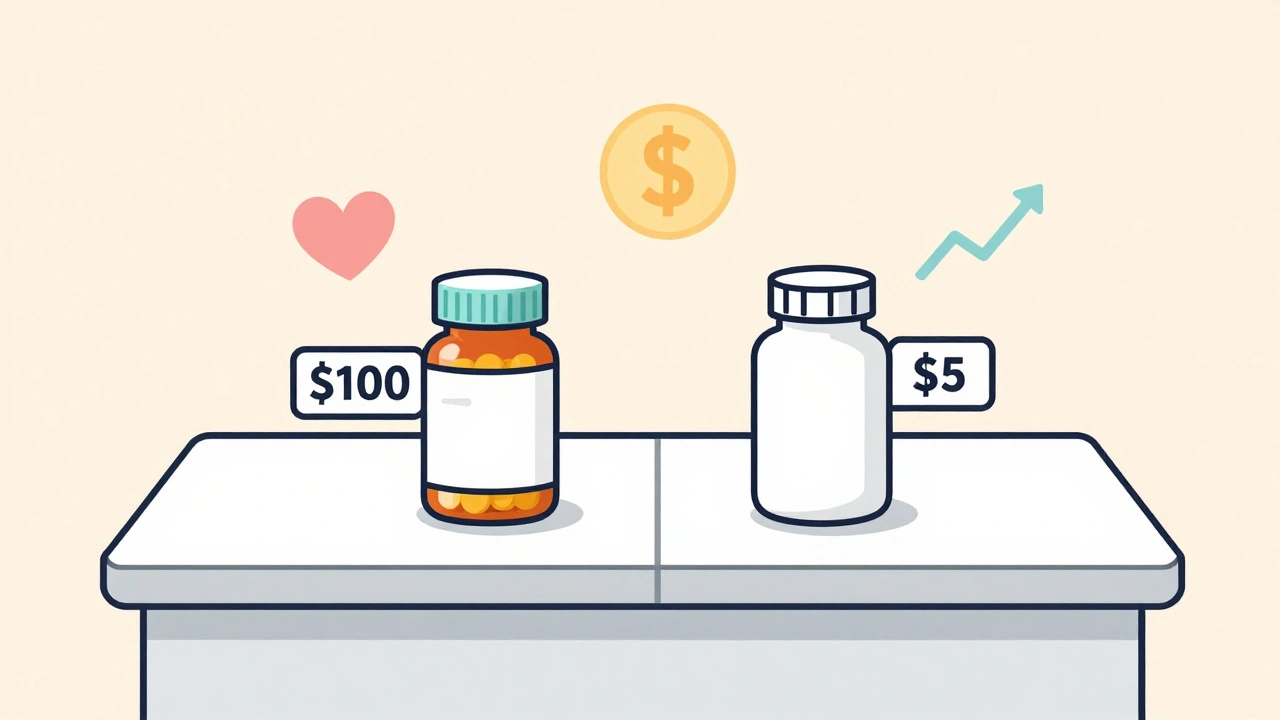
When you hear HEOR, Health Economics and Outcomes Research. It's the science behind why some drugs get covered by insurance while others don't, and why your pharmacist might suggest a cheaper option that works just as well. It’s not about marketing—it’s about real data: how much a drug costs, how often it works, and whether it keeps people out of the hospital. This isn’t just for policymakers—it affects every prescription you fill.
HEOR connects directly to medication adherence, how consistently patients take their drugs as prescribed. If a pill costs $500 a month and you can’t afford it, adherence drops—and so does your health. That’s why refill synchronization, generic substitutions, and bulk purchasing aren’t just clever tricks—they’re HEOR-driven solutions. drug cost, the total financial impact of a medication on patients and systems is measured not just by the sticker price, but by hospital stays avoided, missed work reduced, and complications prevented. Studies show that even a 3-8% improvement in adherence can cut overall healthcare spending by millions.
HEOR also explains why some drugs get pushed to the back of the line. Take biosimilars, lower-cost versions of complex biologic drugs. They’re not generics—they’re harder to copy, so safety monitoring and real-world outcomes tracking are critical. That’s why adverse event reporting and traceability systems exist. The same logic applies to generic patent law, how court rulings delay or speed up cheaper drug versions. Landmark cases like Amgen v. Sanofi don’t just change legal precedent—they change whether a patient can afford their treatment next year.
You’ll find posts here that show HEOR in action: how bulk buying cuts generic drug costs by 30%, how diuretics raise lithium toxicity risk, why steroid creams cause skin damage with long-term use, and how social media misinformation leads to dangerous choices. These aren’t random topics—they’re all pieces of the same puzzle: how we decide what drugs work, who gets them, and at what cost. What you’ll see below isn’t just a list of articles—it’s a map of the invisible forces shaping your prescriptions, your wallet, and your health.