Myeloproliferative Neoplasm Drugs: What Works, What to Watch For
When your bone marrow makes too many blood cells, it’s not just a lab result—it’s a condition called a myeloproliferative neoplasm, a group of blood cancers where the bone marrow overproduces red blood cells, white blood cells, or platelets. Also known as MPNs, these disorders include polycythemia vera, a condition where the body makes too many red blood cells, essential thrombocythemia, where platelet counts soar, and myelofibrosis, where scar tissue builds up in the bone marrow. These aren’t just rare diseases—they’re chronic, require lifelong management, and often need targeted drugs to keep symptoms under control.
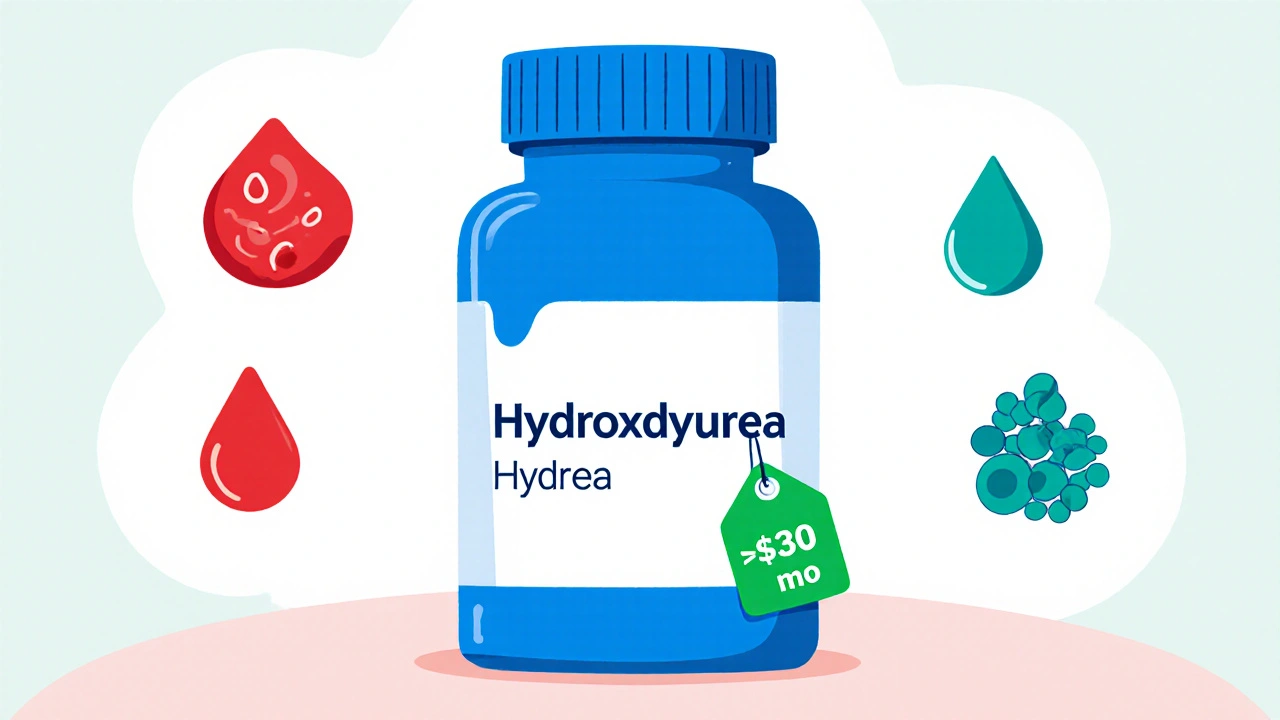
Most myeloproliferative neoplasm drugs focus on slowing down the overactive bone marrow and reducing the risk of clots, bleeding, or progression to leukemia. The most common ones are JAK inhibitors like ruxolitinib and fedratinib, which block the faulty JAK2 gene signal driving the overproduction. These aren’t cures, but they can shrink an enlarged spleen, ease fatigue, and help people live longer with fewer symptoms. Hydroxyurea is still used often too—it’s older, cheaper, and works for many, especially in polycythemia vera and essential thrombocythemia. Interferon-alpha is another option, especially for younger patients who want to avoid long-term side effects. And in advanced cases, newer drugs like pacritinib or momelotinib help when others fail, especially if anemia is a problem.
What’s missing from most patient guides is how these drugs interact with daily life. Ruxolitinib can drop your white blood cell count, making you more prone to infections. Hydroxyurea might cause skin ulcers or nausea. Interferon can make you feel like you have the flu every week. That’s why choosing the right drug isn’t just about the diagnosis—it’s about your age, other health issues, how you feel, and what side effects you’re willing to live with. You’ll find real comparisons in the posts below: how one person switched from hydroxyurea to ruxolitinib and gained back their energy, or why someone with myelofibrosis avoided a transplant by using a newer JAK inhibitor. These aren’t theoretical discussions—they’re lived experiences, side effects, costs, and trade-offs that matter when you’re managing this every day.