
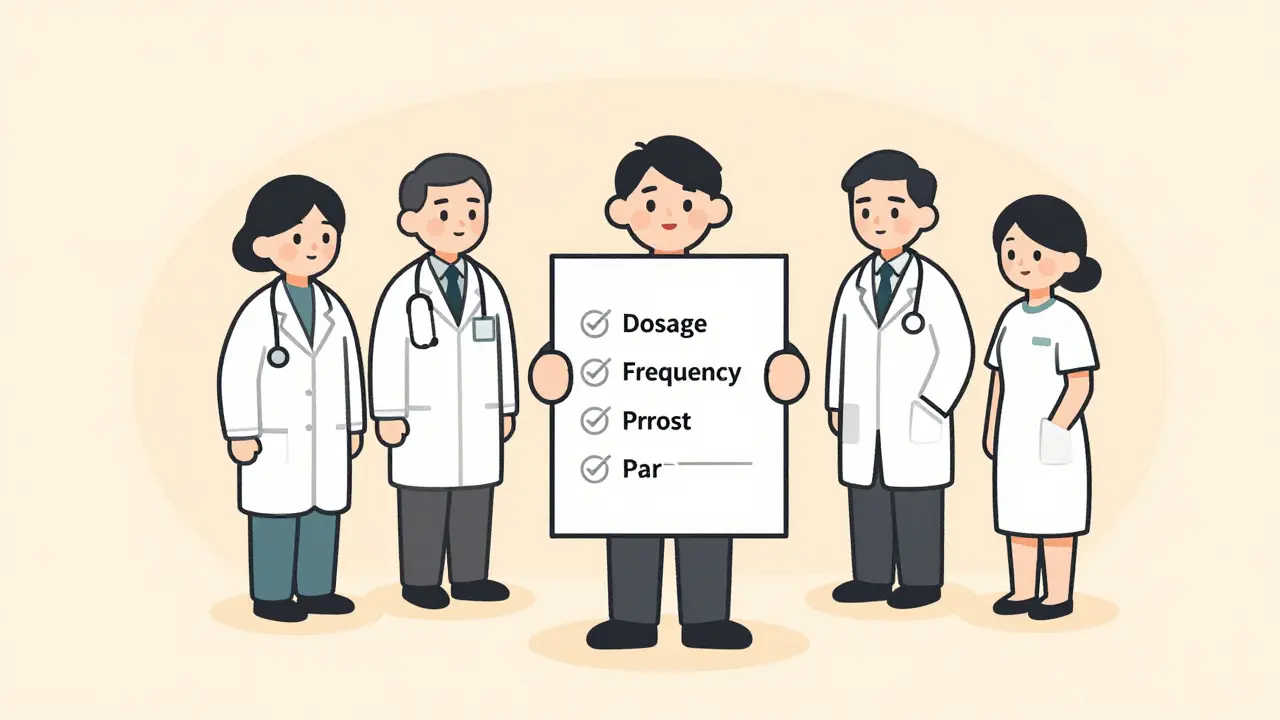
Imagine this: you’re seeing three different doctors - one for your diabetes, another for your high blood pressure, and a third for your arthritis. Each prescribes a new medication. You take them all. Then, one morning, you feel dizzy, nauseous, and your heart is racing. You rush to the ER. Turns out, two of those new pills interact dangerously. None of your doctors knew what the others had prescribed. This isn’t rare. It happens more often than you think.
When you’re seeing multiple healthcare providers, your medications can easily become a tangled mess. A 2022 study found that patients with three or more providers were over three times more likely to have conflicting drug regimens. Specialists often prescribe without checking what others have ordered. Patients assume their doctors talk to each other. They don’t. And when they don’t, the risks go up - hospitalizations, ER visits, even death.
Why Medication Communication Breaks Down
The problem isn’t that providers are careless. It’s that the system isn’t built for coordination. Electronic health records (EHRs) are supposed to fix this, but they don’t always talk to each other. A 2023 CMS report found that 43% of providers struggle to access complete medication histories across different systems. If your primary care doctor uses one EHR and your cardiologist uses another, your meds might as well be on paper sticky notes.
Then there’s the assumption gap. A 2022 NIH study found that 83% of patients believed their providers regularly discussed their medications. In reality? Only 12% of specialists reported routinely checking in with other doctors. Nurses and pharmacists often see the gaps first - but they’re not always included in the conversation.
And when you’re juggling five or more medications - which 66% of Medicare beneficiaries do - it’s easy to lose track. Which pill is for what? When do you take it? Why? Without clear answers, patients start guessing. And guessing with meds can be deadly.
The Four Essentials of a Medication List
One of the most powerful tools you have is a simple, updated list of everything you take. Not just prescriptions - include supplements, over-the-counter drugs, and even herbal remedies. But it’s not enough to just write down names. You need four key details for each:
- Name - Full name, including brand and generic (e.g., Lisinopril 10 mg, brand name Zestril)
- Dosage - How much you take (e.g., 1 tablet, 5 mg, 20 mL)
- Frequency - When and how often (e.g., once daily at bedtime, twice daily with food)
- Purpose - Why you’re taking it (e.g., “for high blood pressure,” “for acid reflux”)
Studies show that using this exact format reduces medication errors by 37%. Why? Because it gives every provider the same clear picture. No guessing. No assumptions. Just facts.
Keep this list digital and physical. Save it on your phone. Print a copy. Carry it in your wallet. Bring it to every appointment - even if you think you’ve been there before. Providers change. Systems change. Your meds change. So should your list.
Who Should Be in Your Circle of Care
The Circle of Care model, developed by researchers at the University of Ottawa, puts you at the center. Not your doctor. Not your pharmacist. You. Everyone else - primary care, specialists, nurses, pharmacists, even family members - exists to support you.
That means you have the right to ask: “Who is in charge of coordinating my meds?”
Typically, your primary care provider should be the hub. But if you’re seeing five specialists, they might be overwhelmed. That’s where pharmacists come in. Clinical pharmacists are trained to spot interactions, duplicate prescriptions, and outdated drugs. A 2023 analysis by Asteroid Health found that patients who worked directly with pharmacists had 32% higher adherence and 63% more confidence in their regimen.
Don’t wait for them to reach out. Ask your pharmacy if they offer Medication Therapy Management (MTM). It’s free for Medicare patients. They’ll sit down with you, review all your meds, call your doctors, and send a summary report. It’s like a safety net you can activate anytime.
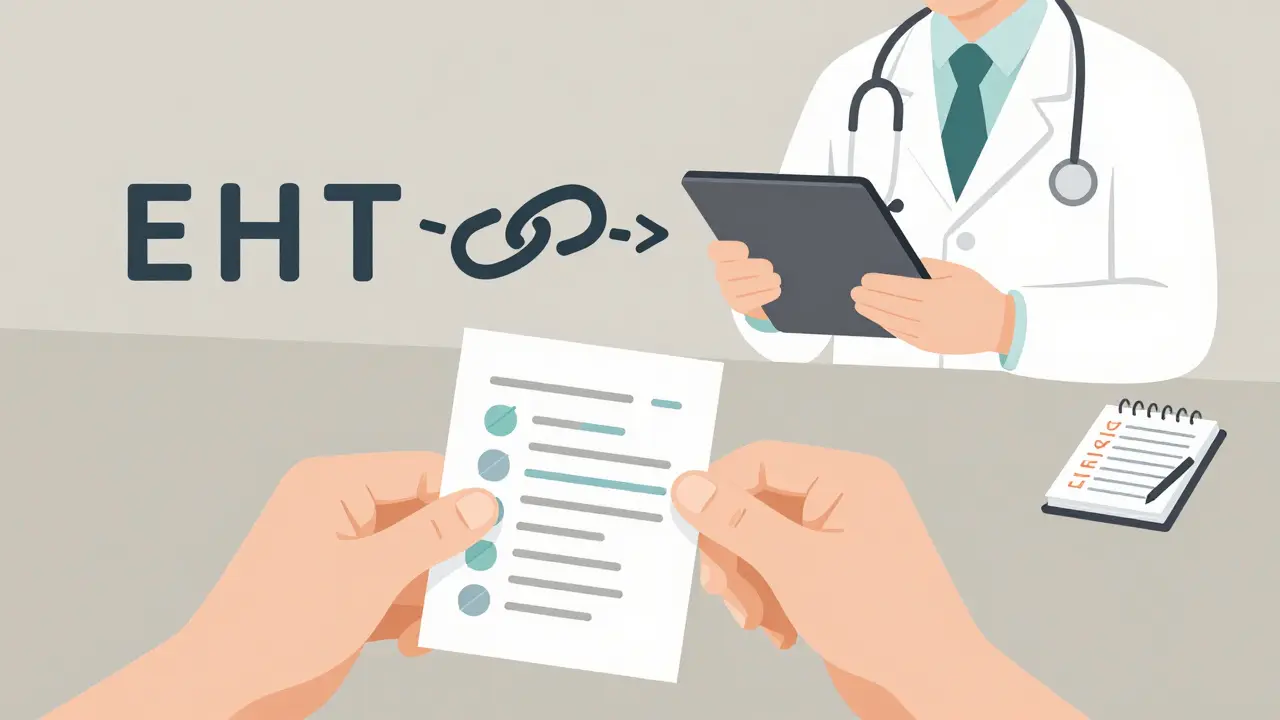
How to Talk to Your Providers - Without Being Ignored
Doctors are busy. Nurses are stretched thin. But you’re not asking for a favor - you’re asking for safety. Here’s how to make sure you’re heard:
- Ask: “Do you know what else I’m taking?” Don’t assume they checked. Say it outright.
- Bring your list. Always. Even if you’ve brought it before. Write new changes on it right there in the room.
- Use the Teach-Back Method. After they explain a new med, say: “Can you help me explain this back so I’m sure I got it right?” Then say it in your own words. Studies show this cuts misunderstandings by 45%.
- Ask: “Is this new med replacing something, or adding to it?” Many patients don’t realize a new prescription might mean an old one should stop.
- Follow up. If a specialist prescribes something new, call your primary care doctor within 48 hours. Say: “Dr. Lee just added X. Can we make sure it’s safe with what I’m already on?”
One patient in Melbourne shared that after her rheumatologist prescribed a new steroid, she called her GP. Turns out, it clashed with her blood thinner. The GP called the specialist. The dose was adjusted. She avoided a dangerous bleed. All because she asked.
Track What You Can’t See
Some side effects don’t show up in blood tests. They show up in how you feel. That’s why keeping a simple health journal helps - not just for you, but for your providers.
Every day, jot down:
- Any new symptoms (dizziness, fatigue, rash, mood swings)
- Changes in sleep or appetite
- Missed doses or skipped pills
- When you felt better or worse
A 2023 study from UC San Francisco found that patients who tracked these details had 22% fewer adverse drug events. Why? Because patterns emerge. A provider sees “fatigue after starting med X” and connects the dots. Without that, it’s just “feeling off.”
You don’t need an app. A notebook, a notes app, or even voice memos work. Just be consistent.

What Works - And What Doesn’t
Not all systems are broken. Some are fixing themselves.
Accountable Care Organizations (ACOs) - groups of doctors and hospitals that get paid to keep you healthy - have shown 27% fewer medication-related hospital readmissions. Why? They’re incentivized to coordinate. They use shared EHRs. They hold regular care meetings. They include pharmacists.
Pharmacists as coordinators - especially in community pharmacies - are stepping up. In 2022, only 42% of independent pharmacies offered formal medication reviews. By 2025, that’s expected to jump to 78%. These services are free for Medicare patients. Ask for them.
AI tools are emerging. At Mayo Clinic, new software scans EHRs and flags drug interactions in under a minute - down from 15 minutes. It’s not perfect, but it’s helping.
What doesn’t work? Relying on patients to remember everything. Waiting for providers to “just talk.” Assuming paperwork will get passed along. If it’s not documented, tracked, and confirmed - it didn’t happen.
Your Action Plan
You don’t need to fix the system. You just need to protect yourself. Here’s your simple 5-step plan:
- Build your list. Write down every medication with name, dosage, frequency, and purpose. Update it every time something changes.
- Carry it everywhere. Keep a printed copy in your wallet. Save a digital version on your phone.
- Ask every provider. “Do you know what else I’m taking?” before they write a new script.
- Find your pharmacist. Ask if they offer Medication Therapy Management. If they do, schedule a review.
- Track your body. Write down how you feel each day - especially after new meds.
It takes 3 to 6 months of consistent effort to make this routine automatic. But after that? You’ll feel more in control. Less anxious. And safer.
Medication errors aren’t inevitable. They’re preventable. But only if you speak up - clearly, consistently, and without apology.
What should I do if my doctors don’t talk to each other?
You become the bridge. Bring your updated medication list to every appointment. Ask each provider: “Can you please confirm with my other doctors that this is safe?” If they hesitate, say you’d like a written summary sent to your primary care provider. Most clinics have a process for this. If not, ask to speak with a care coordinator or pharmacist.
Can my pharmacist really help coordinate my meds?
Yes - especially if you’re on Medicare. Many independent pharmacies offer free Medication Therapy Management (MTM) services. A pharmacist will review all your prescriptions, check for interactions, contact your doctors to clarify or adjust doses, and give you a written summary. This isn’t just advice - it’s a formal service recognized by CMS. Ask your pharmacist if they offer it.
Why do specialists often prescribe without checking my other meds?
Specialists focus on one condition - not your whole health. They’re trained to treat their area, not coordinate care. Plus, EHRs often don’t share data between systems. A cardiologist may not see what your rheumatologist prescribed if they’re in a different hospital network. It’s not negligence - it’s a system flaw. That’s why you need to step in.
Is it okay to stop a medication if I think it’s causing side effects?
Never stop a prescribed medication without talking to your provider first. Some drugs cause rebound effects if stopped suddenly. Instead, track your symptoms in your journal, then call your primary care doctor or pharmacist. Say: “I’ve noticed [symptom] since starting [medication]. Can we review if it’s safe to continue?” They can help you taper safely or find an alternative.
How often should I update my medication list?
Update it every time there’s a change - whether it’s a new prescription, a dose change, or a drug you stopped. Also, review it every 3 months, even if nothing changed. Sometimes, side effects show up later. Your list should always reflect your current reality - not what you took last year.
Comments (14)
Just carry the list in your wallet. Seriously. I keep a laminated card with my meds, dosages, and why I take them. I showed it to my new cardiologist last month. He said, 'Why doesn’t everyone do this?' Simple. It works.
bro this is the most real thing i’ve read all year 🙏
imagine if your meds were like a playlist and you just hit shuffle... boom, cardiac arrest.
we’re all just one bad interaction away from becoming a statistic.
pharmacist = your personal med ninja. ask for mtm. it’s free. do it.
It is unconscionable that the American healthcare system has devolved into a fragmented, siloed, and dangerously uncoordinated enterprise. The patient is expected to function as a de facto medical coordinator, while providers operate in bureaucratic isolation. This is not healthcare-it is negligence by design. Regulatory bodies must mandate interoperable EHRs and assign primary coordination responsibility to certified care managers. Anything less is a moral failure.
you think this is bad? wait till you try this in india. we have 7 doctors for 1 problem. everyone prescribes 3 pills. no one talks. i once took 12 meds at once. woke up floating. turned out 4 of them were the same drug. my aunt said 'you should've asked'. yeah, right. who asks when you're scared to die?
just do what i do. write it down. carry it. ask. no excuses. if you cant manage your own meds you dont deserve to be healthy
I’ve been doing this for years after my dad almost died from a drug interaction. I keep a notebook, a Google Doc, and a printed copy in my purse. I update it after every appointment-even if it’s just a one-line change. I also started tracking how I feel each day. I didn’t realize how much my fatigue was tied to a new statin until I saw the pattern. My PCP said it was the best medication log she’d ever seen. Honestly? It gave me back my life. I used to panic every time I got a new script. Now I feel like I’m in control. I wish everyone had this safety net. It’s not complicated. It’s just consistent. And it saves lives.
the real problem is not the system. its you. you let others decide your health. you dont take responsibility. you wait for doctors to save you. but they’re not gods. they’re overworked humans. if you cant manage 5 pills, maybe you shouldnt be on 5 pills. this isn’t about coordination. its about personal accountability. stop outsourcing your survival.
I appreciate the advice, but honestly? It’s exhausting. Why should I be the one managing this? I’m not a nurse. I’m not a pharmacist. I’m just someone trying to live with chronic illness. The burden shouldn’t fall on patients. The system should work. And until it does, this feels like asking someone to hold their breath while the boat sinks.
As someone who works in public health in India, I can confirm that this issue is global. In rural clinics, patients often carry handwritten lists on scraps of paper, passed between doctors like sacred texts. The solution isn’t just technology-it’s cultural. We need to normalize patient-led coordination as a right, not a chore. Pharmacist-led MTM should be universal, funded, and integrated into primary care. And yes-this is possible. We’ve seen it work in pilot programs from Kerala to Karnataka. It’s not magic. It’s just dignity.
YESSSS this. I started doing the list after my mom had a bad reaction. Now I do it every time I walk into a clinic. Even if they say 'we have your records'-I still hand it over. I say 'I trust you, but I trust this more.' It’s weird how powerful that is. And yeah, I got MTM through my pharmacy. Free. 45 minutes. They caught a duplicate I didn’t even know about. Best 45 mins of my life.
why do we even have to do this its 2025 why cant the computers talk to each other i mean really like is this a joke i take 8 meds and i have to be my own nurse i cant even trust my doctors anymore i just want to be left alone
I used to think this was overkill. Then I missed a dose of my blood thinner and got dizzy for 3 days. Now I keep my list on my phone and in my wallet. I update it every Sunday. I also started using the teach-back thing. It feels awkward at first, but honestly? Doctors appreciate it. They’re not mind readers. Neither are we. A little effort goes a long way.
This resonates so deeply. I’ve been working with my pharmacist for over a year now, and she’s become the quiet hero of my care team. She called my rheumatologist when my new pain med clashed with my heart meds. She didn’t yell. She didn’t panic. She just sent a clear, calm summary. That’s the kind of coordination we need-not more paperwork, but more human connection. Thank you for naming what so many of us feel: you’re not alone. And you’re not crazy for wanting this to be better.
OH MY GOSH I DIDNT EVEN REALIZE I WAS DOING THIS WRONG UNTIL I READ THIS
my doc just gave me a new pill last week and i didnt ask if it replaced anything and now im scared i took two of the same thing
im going to my pharmacy tomorrow for mtm like right now
im crying a little but also feeling so much hope
thank you for writing this like you actually care