Pheochromocytoma Surgery: What You Need to Know About Removal and Recovery
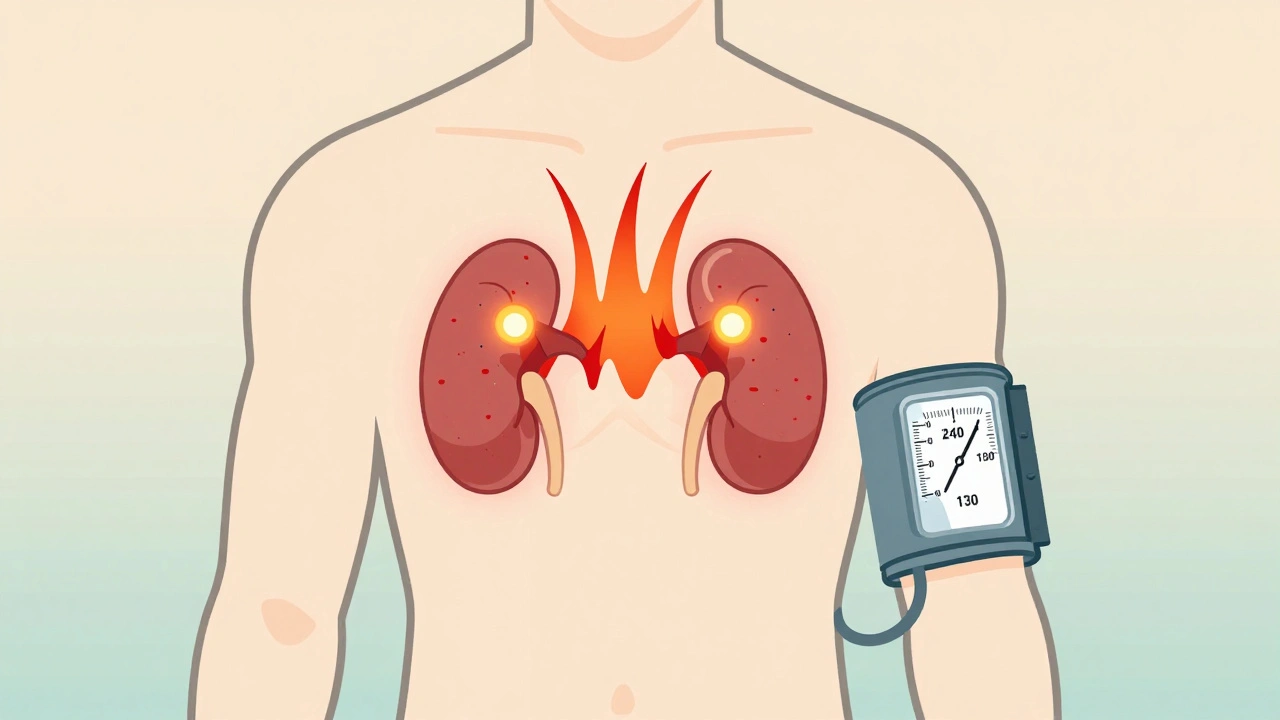
When a rare tumor called pheochromocytoma, a noncancerous tumor that grows on the adrenal gland and releases excess adrenaline. Also known as adrenal paraganglioma, it can cause sudden, life-threatening spikes in blood pressure, pounding headaches, and sweating that come out of nowhere. This isn’t just high blood pressure—it’s your body flooded with stress hormones on demand. If left untreated, it can lead to stroke, heart attack, or sudden death. The only cure? Surgical removal.
Pheochromocytoma surgery is highly specialized. Before the operation, doctors use medications like alpha-blockers, drugs that calm the blood vessels and prevent dangerous pressure spikes during surgery to stabilize your system. This step is critical—jumping straight into surgery without prep can be deadly. The surgery itself is usually done laparoscopically, meaning small cuts, less pain, and faster recovery. But because the tumor sits right on the adrenal gland, next to major blood vessels and nerves, it requires a skilled surgeon who’s done this before. Think of it like removing a live wire from a packed electrical panel—you need precision, not just speed.
After surgery, your body has to relearn how to regulate blood pressure without the tumor’s hormone surges. Some people see their blood pressure drop to normal right away. Others need time, and a few may even need temporary meds to keep things steady. Recovery is usually quick—most go home in 1 to 3 days—but follow-up blood and urine tests are essential. These tumors can come back, especially if there’s a genetic link, so ongoing monitoring isn’t optional. And if you’ve had one, your family members might need screening too—up to 40% of cases are tied to inherited syndromes like MEN2 or VHL.
What you’ll find in the posts below isn’t just about the surgery itself. You’ll see how pheochromocytoma connects to other conditions like hypertension, why certain meds are used before and after, and how adrenal health ties into broader drug safety. There are no fluff pieces here—just real, practical info from people who’ve been through it, doctors who manage it, and studies that show what actually works.