Smoking Cessation: Proven Ways to Quit and Stay Quit
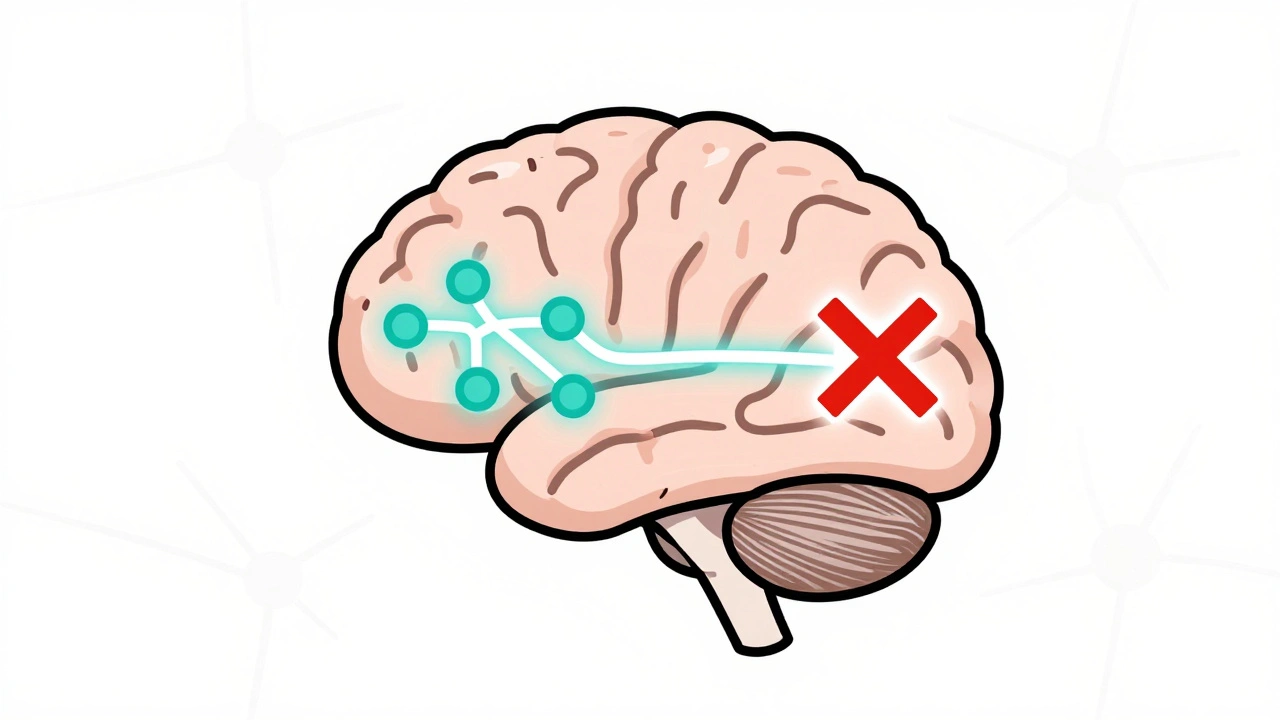
When you're trying to quit smoking, you're not just fighting a habit—you're fighting nicotine dependence, a physical and psychological addiction that rewires your brain's reward system. Also known as tobacco dependence, it's why so many people relapse, even after multiple attempts. This isn't about willpower alone—it's about understanding how nicotine works, what triggers cravings, and which tools actually help you break free.
Smoking cessation isn't one-size-fits-all. Some people succeed with nicotine replacement therapy, like patches or gum that slowly wean your body off nicotine without smoke. Others find success with prescription meds like varenicline or bupropion, which block nicotine’s effects in the brain. Then there are behavioral strategies—counseling, apps, support groups—that tackle the mental side of the habit. The key? Combine methods. Studies show people who use both medication and counseling are twice as likely to quit for good.
Cravings don’t last forever. Most peak within the first 72 hours and drop sharply after a week. But triggers—coffee, stress, social settings—can bring them back months later. That’s why quitting isn’t just about stopping cigarettes; it’s about rebuilding your routine. You’ll need new ways to handle stress, new morning rituals, new ways to celebrate. And yes, weight gain is common, but it’s usually less than 10 pounds, and it’s far safer than staying addicted.
What you’ll find here aren’t generic tips or miracle cures. These are real stories and science-backed strategies from people who’ve been there. You’ll see how others managed withdrawal symptoms, what medications worked (and didn’t), and how to avoid the traps that lead to relapse. Whether you’re just thinking about quitting or have tried before and failed, this collection gives you the tools—not the hype—to finally walk away from smoking for good.