
Bupropion Drug Interaction Checker
Check Your Medications
Enter medications you're currently taking. This tool checks for dangerous interactions with bupropion (Zyban).
Results
Select medications and click "Check Interactions" to see potential issues
Quitting smoking isn’t just about willpower. For many, it’s a battle against brain chemistry. That’s where bupropion comes in. Marketed as Zyban, this medication doesn’t replace nicotine like patches or gum. Instead, it rewires how your brain responds to cravings. But here’s the catch: it doesn’t play nice with everything else you might be taking. If you’re considering bupropion to quit smoking, you need to know what it interacts with - and what could go wrong if you don’t.
How Bupropion Actually Works
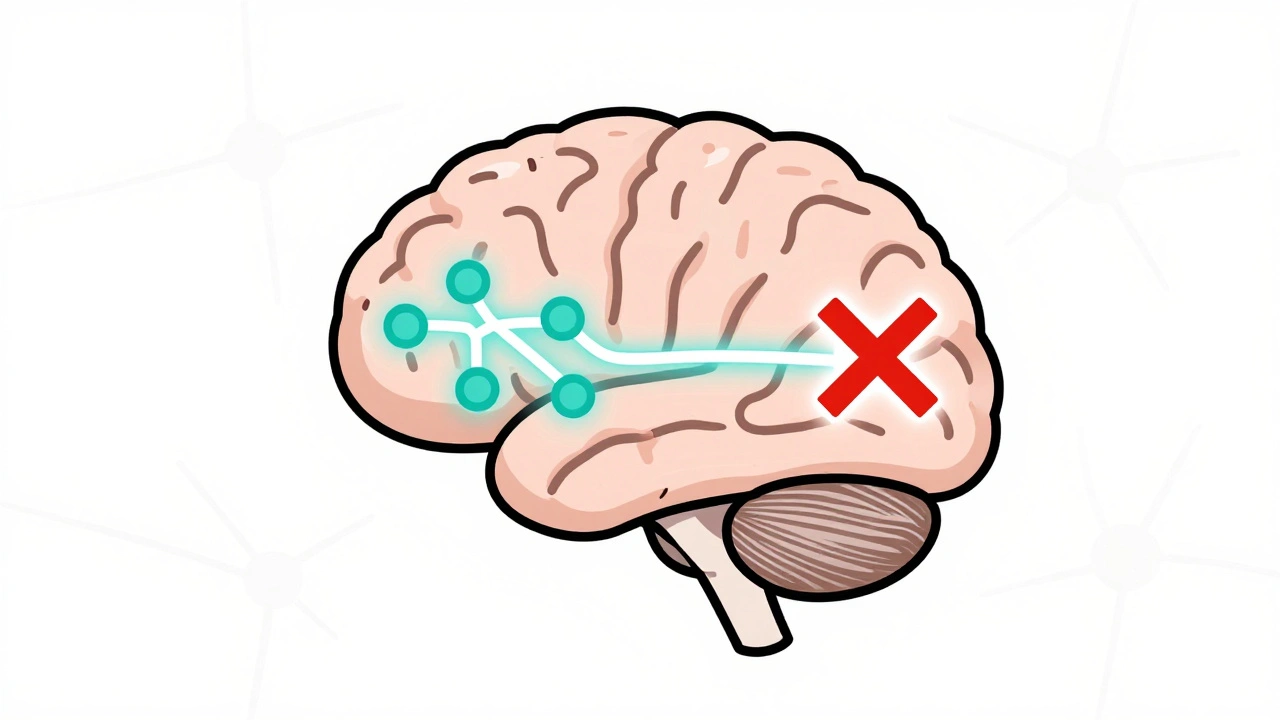
Bupropion isn’t a nicotine replacement. It’s a norepinephrine-dopamine reuptake inhibitor (NDRI). That’s a fancy way of saying it keeps dopamine and norepinephrine - the brain’s natural feel-good chemicals - circulating longer. This helps blunt the crash you feel when you stop smoking. Studies show it reduces nicotine cravings by about 40% compared to a placebo. It also blocks nicotinic receptors in the brain, which means even if you slip up and smoke, the high feels weaker.
Unlike varenicline (Chantix), which mimics nicotine, or NRTs that deliver it slowly, bupropion works from the inside out. That’s why it’s often recommended for people who want to avoid nicotine entirely. Clinical trials show it more than doubles your chances of quitting for good at six months - from around 7-10% with a placebo to 19-23% with bupropion.
How to Take Bupropion Right
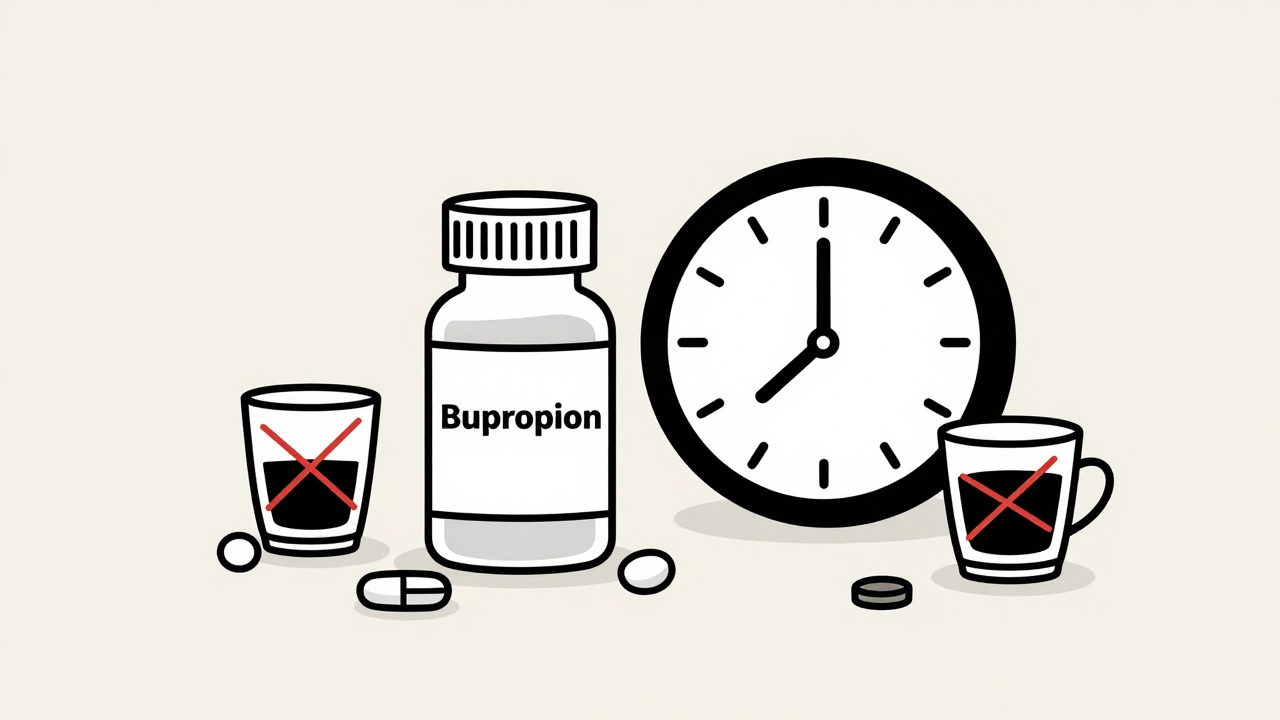
You can’t just start taking bupropion on your quit day. It takes time to build up in your system. The standard protocol? Begin with one 150 mg tablet daily for the first three days. Then, move to two 150 mg tablets per day - at least eight hours apart - starting on day four. Treatment should begin one to two weeks before your target quit date. Most people take it for 7 to 9 weeks, but some stay on it longer under medical supervision.
Peak levels hit about three hours after taking it. Steady-state concentration? That takes about eight days. So if you’re still smoking on day five and thinking, “This isn’t working,” you’re too early. The magic doesn’t kick in until your body has had time to adjust.
The Big Red Flags: Absolute Contraindications
Some people simply shouldn’t take bupropion. Period. Here’s the non-negotiable list:
- History of seizures - even one seizure in your past raises your risk to about 1 in 1,000 on this drug
- Current or recent use of MAOIs (monoamine oxidase inhibitors) - you must wait at least 14 days after stopping an MAOI before starting bupropion
- Diagnosis of bulimia or anorexia nervosa - these eating disorders increase seizure risk
- Allergy to bupropion or any of its ingredients
- Already taking another bupropion product, like Wellbutrin
These aren’t side effects you can manage. These are red lights that mean stop. Ignoring them can lead to serious harm - including life-threatening seizures or serotonin syndrome.
Drug Interactions You Can’t Afford to Ignore
Let’s get real: most people on smoking cessation meds are also on other meds. That’s where things get tricky.
MAOIs - like phenelzine, tranylcypromine, or selegiline - are the most dangerous. Mixing them with bupropion can cause serotonin syndrome: a spike in body temperature, rapid heartbeat, confusion, and muscle rigidity. This is a medical emergency. That’s why the 14-day washout period isn’t a suggestion - it’s mandatory.
Varenicline (Chantix) - you might think combining them would boost your chances. But the FDA says no. While the EAGLES trial didn’t show a huge spike in side effects, newer data and expert panels warn against combining them due to increased risk of mood swings, agitation, and suicidal thoughts. Stick to one or the other, not both.
Antidepressants - especially SSRIs like sertraline or fluoxetine - can raise bupropion levels in your blood. That increases your risk of seizures and insomnia. If you’re already on an antidepressant for depression, your doctor might adjust the dose or choose a different quit strategy.
Alcohol - heavy drinkers are at higher risk for seizures on bupropion. Even moderate drinking can worsen side effects like dizziness and nausea. Cutting back or quitting alcohol during treatment isn’t just smart - it’s safer.
CYP2B6 Metabolizers - this one’s genetic. About 25% of people have a variation in the CYP2B6 gene that makes them slow metabolizers of bupropion. That means the drug builds up faster in their system. If you’ve had bad side effects before, your doctor might test for this. Slow metabolizers may need lower doses to avoid toxicity.
Common Side Effects - And How to Handle Them
Not everyone has problems, but many do. Here’s what you’re likely to face:
- Insomnia - affects nearly 24% of users. Fix? Take your second dose before 5 p.m. Don’t take it late. Ever.
- Dry mouth - common. Sip water, chew sugar-free gum. Avoid sugary drinks.
- Headache - usually mild. Over-the-counter painkillers like acetaminophen are fine.
- Nausea - about 13% of people. Take the pill with food. Not on an empty stomach.
- Increased anxiety or agitation - happens in the first few weeks. Tell your doctor if it’s overwhelming.
One user on Reddit said: “Zyban eliminated my cravings completely after 10 days - I didn’t miss smoking at all.” Another said: “I got severe insomnia and quit after two weeks.” Both are real. The difference? Timing, dose, and how well you manage side effects.
Who Benefits Most From Bupropion?
Bupropion isn’t for everyone - but it’s perfect for some.
- People with depression - it helps quit smoking AND lifts mood. Studies show it works as well as varenicline for depressed smokers.
- People who hate nicotine products - if patches or lozenges make you nauseous or give you headaches, bupropion avoids that entirely.
- People worried about weight gain - users report less post-quit weight gain compared to those using NRTs.
- People on a budget - generic bupropion SR costs about $35 for a 30-day supply. Chantix? Around $550.
It’s also showing promise for vaping cessation. Early data suggests it helps reduce cravings for nicotine in e-cigarettes, too. That’s important as vaping rates climb, especially among younger adults.
What Happens After You Quit?
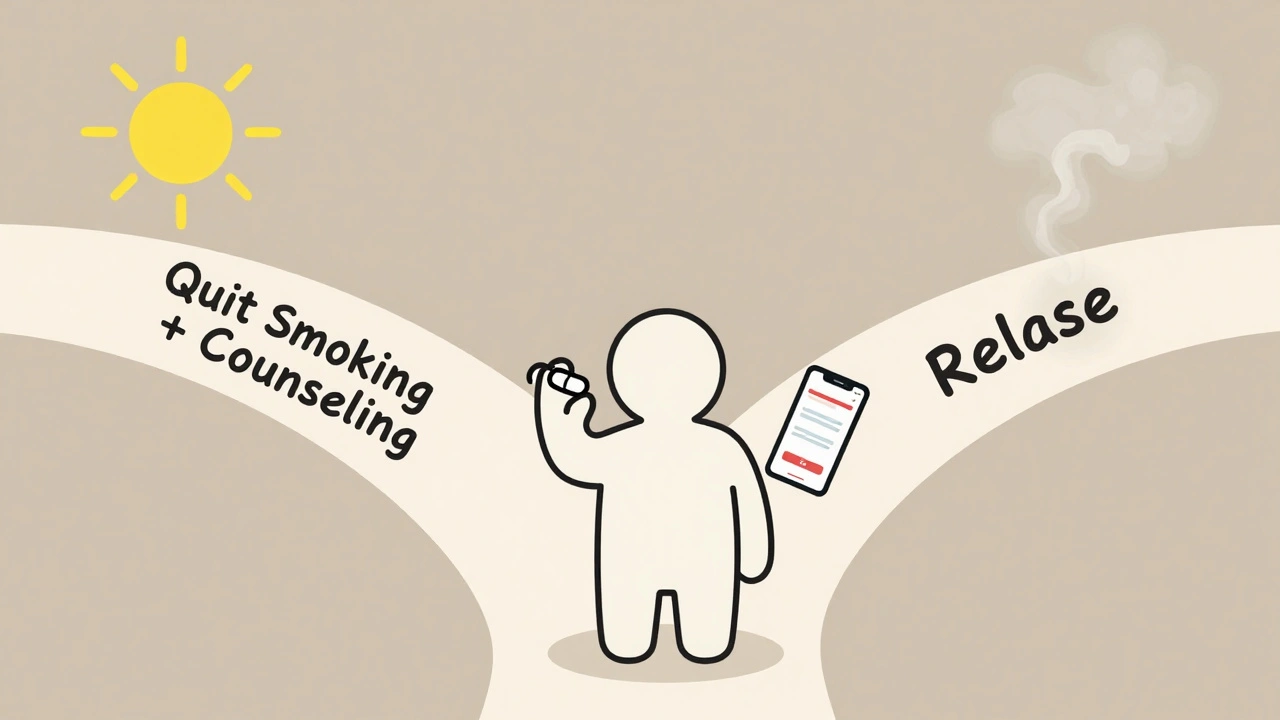
Here’s the hard truth: bupropion doesn’t change your brain permanently. It helps you get through the first few months. But once you stop taking it, the protection fades. Studies show most people who quit using bupropion relapse after six months if they don’t have other support systems.
That’s why combining it with counseling - even free apps or phone lines like the CDC’s Tips From Former Smokers - makes a huge difference. People who used bupropion + counseling had 45% higher adherence rates and were more likely to stay quit long-term.
There’s no magic pill that cures addiction. But bupropion gives you a fighting chance - if you use it right.
The Future of Bupropion
Research is moving fast. A new bupropion-nicotine patch combo was approved in 2023 after showing 31% abstinence at six months - better than either alone. Scientists are also testing a new version of bupropion with lower seizure risk. And personalized dosing based on your genes? That’s coming. If you’re a slow metabolizer, future prescriptions might be tailored to your DNA.
For now, bupropion remains one of the most cost-effective, accessible tools we have. It’s not perfect. But for millions, it’s the difference between quitting and relapsing.
Can I take bupropion if I’ve had seizures before?
No. If you’ve ever had a seizure, even once, bupropion is contraindicated. It lowers your seizure threshold, and the risk is real - about 1 in 1,000 at standard doses. This isn’t something you can manage with lower doses. Avoid it entirely.
How long before I feel bupropion working?
It takes 7 to 10 days for therapeutic levels to build up. That’s why you start taking it 1-2 weeks before your quit date. If you’re still craving cigarettes on day 3, don’t give up - you’re not supposed to feel the full effect yet.
Can I drink alcohol while on bupropion?
It’s best to avoid alcohol completely. Even moderate drinking increases your risk of seizures and worsens side effects like dizziness and nausea. Heavy drinkers are at especially high risk. If you’re used to drinking daily, talk to your doctor about tapering before starting bupropion.
Is bupropion safe if I have high blood pressure?
Bupropion can raise blood pressure in some people. If you have uncontrolled hypertension, you should avoid it. If your blood pressure is stable and managed with medication, your doctor may still prescribe it - but you’ll need regular monitoring.
What should I do if I miss a dose?
If you miss a morning dose, take it as soon as you remember - but only if it’s before 5 p.m. If it’s later, skip it. Never double up. Taking two doses too close together increases seizure risk. Stick to the 8-hour gap between doses.
Can I use bupropion with nicotine patches?
Yes - and it’s actually recommended. Combining bupropion with nicotine replacement therapy (NRT) increases quit rates. The FDA and CDC both support this combination under medical supervision. Just make sure your doctor knows you’re using both so they can monitor for side effects.
Why is bupropion cheaper than Chantix?
Bupropion has been available as a generic drug for years. Chantix (varenicline) is still under patent protection in many places. Generic bupropion SR costs around $35 for a 30-day supply. Chantix can cost over $500. That’s why bupropion remains the go-to option for people without good insurance or in low-income settings.
Does bupropion cause weight gain?
No - it’s one of the few smoking cessation meds that doesn’t cause weight gain. In fact, many users report less weight gain than those using nicotine replacement. Some even lose a few pounds. This makes it a top choice for people worried about gaining 15-20 pounds after quitting.
Next Steps
If you’re thinking about bupropion, start with your doctor. Bring a full list of everything you take - prescriptions, supplements, even over-the-counter meds and alcohol habits. Don’t assume something is “safe” because it’s not a prescription. The interaction risks are real.
Track your progress. Use a journal or app to note cravings, sleep, mood, and side effects. If insomnia hits, move your second dose earlier. If nausea starts, eat before you take it. Small tweaks make a big difference.
And don’t go it alone. Connect with support groups, call quitlines, or use free apps. Medication helps - but support keeps you quit.
Comments (8)
Bupropion? Please. The only reason it works is because Big Pharma needed a cheaper alternative to Chantix after they got caught hiding the suicide risk data. They repackaged an old antidepressant as a smoking cessation drug and called it a breakthrough. Meanwhile, the real solution-behavioral therapy-is ignored because it doesn’t come in a pill bottle with a patent. You’re not curing addiction; you’re just chemicalizing it while the tobacco industry laughs all the way to the bank.
I took bupropion for two months and honestly? It felt like my brain was being rewired by a drunk electrician. Insomnia? More like sleepless nights spent staring at the ceiling wondering if I was having a psychotic break. And don’t even get me started on the dry mouth-I had to carry a water bottle everywhere like some kind of walking desert survivor. But here’s the kicker: I quit smoking cold turkey on day 14 and haven’t looked back. I don’t know if it was the drug or just sheer terror of another relapse, but I’m alive. So yeah, side effects suck, but so does smoking. Pick your poison.
It is both intellectually and ethically irresponsible to promote pharmacological intervention as a primary strategy for nicotine dependence without first addressing the sociopolitical architecture that normalizes and commodifies addiction. The normalization of pharmaceutical solutions to behavioral issues reflects a pathological capitulation to biomedical reductionism-a trend that pathologizes autonomy and obscures the existential dimensions of habit formation. One cannot simply reuptake dopamine to resolve a centuries-old cultural ritual wrapped in corporate manipulation. The true therapeutic agent is not bupropion, but critical consciousness.
Did you know the FDA approved bupropion after a single study funded by GlaxoSmithKline? And that the 1 in 1,000 seizure risk was buried in the appendix? I’ve been digging through FOIA documents for years. There’s a whole network of ghostwriters, paid influencers, and ‘independent’ doctors who all just happened to publish papers supporting bupropion right after getting consulting fees. The CDC’s ‘quitline’? Also funded by Big Pharma. They don’t want you to quit-they want you to stay addicted but buy the next version of the pill. Wake up. The system is rigged.
Anyone who says bupropion is ‘safe’ hasn’t read the black box warnings. You think insomnia is bad? Try hallucinating your own tongue melting while you’re awake. I had a friend who took it, started yelling at his cat like it was a Russian spy, then tried to drive to Canada because he thought the government was broadcasting thoughts into his teeth. He ended up in a psych ward. And now you’re all just casually recommending this like it’s Advil? This isn’t quitting smoking-it’s Russian roulette with your frontal lobe.
I’ve been through three quit attempts and bupropion was the only one that didn’t leave me feeling like a zombie or a walking caffeine crash. Yeah, I had dry mouth and headaches, but I didn’t lose my mind. I also started going to a free weekly support group and that made all the difference. The pill helped with the cravings, but the people helped me stay sane. If you’re thinking about trying it, don’t go it alone. Find someone who’s been there. Even if it’s just a Reddit thread. You’re not weird for needing help.
Let’s be real-bupropion is the poor man’s Chantix, and honestly, if you’re choosing it because it’s cheaper, you’re probably the same person who still thinks vaping is ‘harmless.’ Genetic testing for CYP2B6? That’s luxury medicine. Most people on this drug are just winging it, taking it with coffee at 11 p.m., drinking wine on weekends, and then blaming the ‘side effects’ when they relapse. You don’t get to treat addiction like a DIY project and then cry when your brain rebels. Discipline isn’t a buzzword-it’s non-negotiable. And if you can’t follow a 7-day dosing schedule, maybe you’re not ready to quit.
One thing the article doesn’t emphasize enough: bupropion’s efficacy is heavily dependent on adherence to the titration schedule. If you jump straight to 300 mg, you’re not accelerating results-you’re just increasing seizure risk. Also, the 8-hour dosing window isn’t arbitrary-it’s tied to the drug’s half-life and Cmax kinetics. For slow metabolizers (CYP2B6*6 allele carriers), steady-state concentrations can be 2–3x higher, so dose reduction isn’t optional-it’s pharmacokinetic necessity. Pair this with CBT and you’re looking at 50%+ abstinence at 12 months. This isn’t magic. It’s neuropharmacology + behavioral scaffolding.