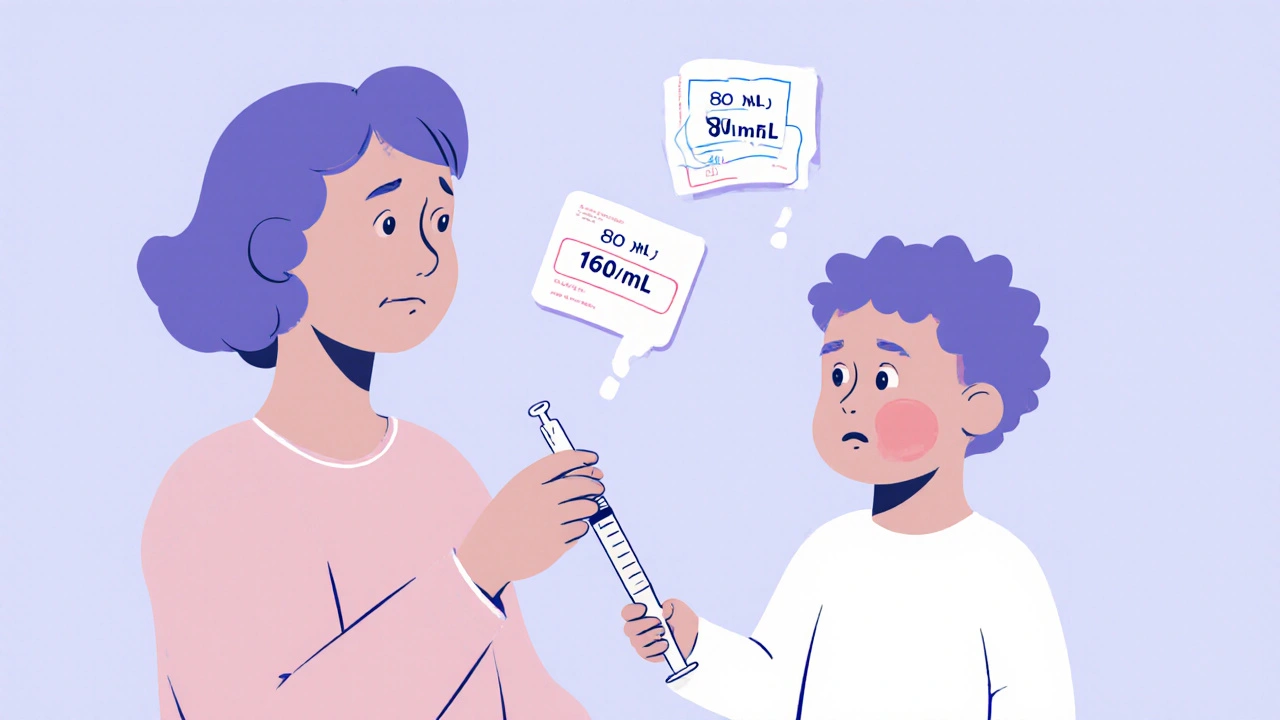
Wrong Dose in Kids: What Parents Need to Know About Medication Safety
When it comes to wrong dose in kids, an incorrect amount of medication given to a child that can lead to serious harm or death. Also known as pediatric medication errors, it’s one of the most preventable but dangerous issues in family healthcare. Kids aren’t just small adults—their bodies process medicine differently. A dose that’s safe for a 150-pound teen could be deadly for a 30-pound toddler. This isn’t about being careless. It’s about not knowing how weight, age, and metabolism change how drugs work in little bodies.
Many parents rely on kitchen spoons, guesswork, or outdated charts. But a teaspoon isn’t a tablespoon. A pill split in half isn’t always half the dose. Even liquid medicines vary in concentration—some are 160 mg per 5 mL, others are 250 mg per 5 mL. Mix them up, and you’re giving your child a potentially harmful overdose. pediatric medication safety, the practice of ensuring children receive the right drug, in the right amount, at the right time. It’s not just about the numbers. It’s about reading labels twice, using proper dosing tools, and asking your pharmacist: "Is this the right strength for my child’s weight?"
Common mistakes happen with fever reducers, antibiotics, and even OTC cough syrups. A child gets the adult version of Tylenol because it’s "the same thing." Or a parent gives amoxicillin based on an old prescription, not realizing the dose changed with their child’s growth. child drug dosing, the process of calculating medicine amounts based on weight, age, and kidney/liver function in children. It’s not magic. It’s math. And it’s why pharmacists ask for your child’s weight every time. Don’t brush it off. Write it down. Keep it handy.
And don’t trust social media advice. Someone posting "my kid took half a pill and felt better" isn’t a doctor. That dose might have been perfect for their 5-year-old—but lethal for yours. Always check with a professional. If you’re unsure, call your pharmacy. Keep a list of all meds your child takes, including vitamins and supplements. Know the signs of overdose: drowsiness, vomiting, fast heartbeat, trouble breathing. Act fast.
The posts below cover real cases, real mistakes, and real solutions. You’ll find guides on how to measure liquid meds correctly, what to do when your child spits out medicine, how to avoid confusion between similar-sounding drugs, and why some OTC products are unsafe for kids under six. These aren’t theoretical tips. They’re from parents, pharmacists, and pediatricians who’ve seen what happens when dosing goes wrong—and how to stop it before it starts.