Zyban: What It Is, How It Helps Quit Smoking, and What You Need to Know
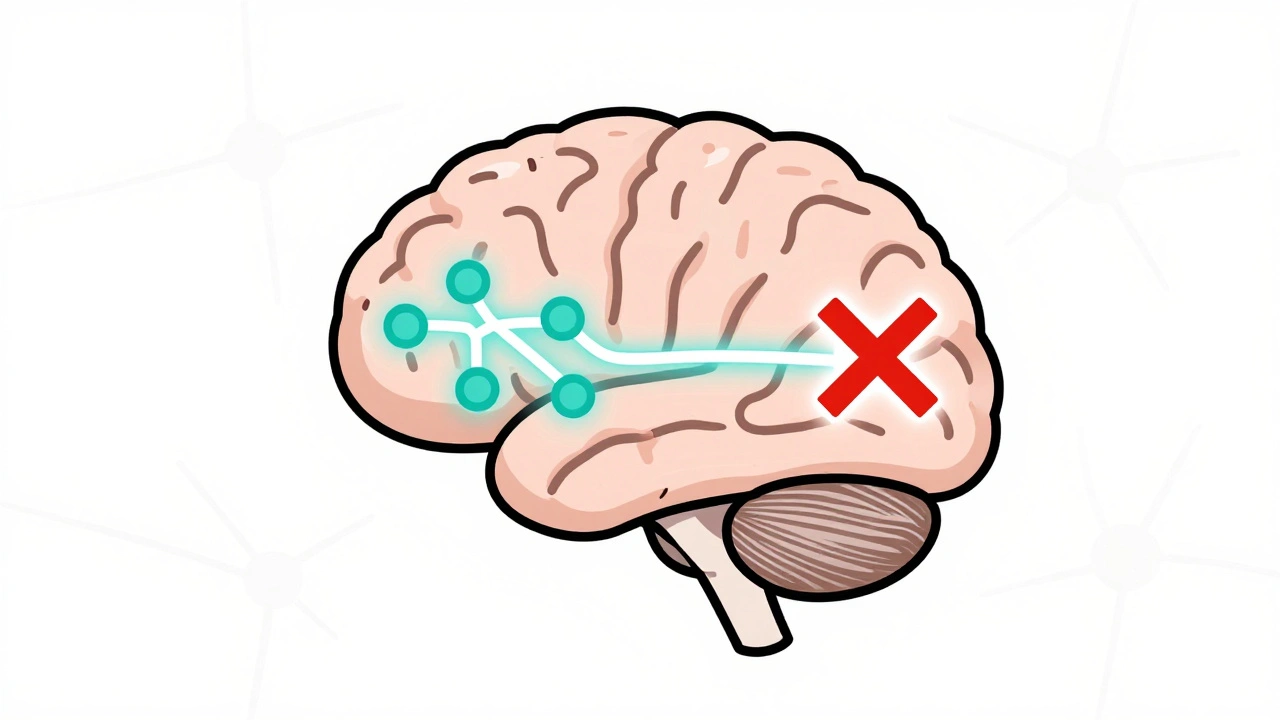
When you’re trying to quit smoking, the hardest part isn’t lighting up—it’s the cravings, the irritability, and the mental pull that makes you reach for a cigarette. Zyban, a brand name for the antidepressant bupropion, is one of the few medications proven to help people stop smoking by targeting the brain’s reward system. Also known as bupropion, it doesn’t contain nicotine but works differently to ease withdrawal. Unlike patches or gum, Zyban doesn’t replace nicotine—it changes how your brain responds to it.
Zyban is often used alongside behavioral support, like counseling or apps that track progress. It’s not a magic pill, but studies show people using it are more than twice as likely to quit for good compared to those using a placebo. It’s also prescribed under different names for depression, but the dose for quitting smoking is slightly higher and timed differently. You usually start taking it one to two weeks before your quit date so it builds up in your system. Common side effects include dry mouth, trouble sleeping, and headaches—serious ones like seizures are rare but more likely if you have a history of epilepsy or eating disorders.
People often wonder how Zyban compares to Chantix or nicotine replacement. Chantix works directly on nicotine receptors, while Zyban affects dopamine and norepinephrine. Some find Zyban easier to tolerate because it doesn’t cause vivid dreams or nausea like Chantix can. But neither works for everyone. If you’ve tried patches and failed, Zyban might be worth a conversation with your doctor—especially if you also struggle with low mood or seasonal depression, since it can help both.
What you won’t find in every guide is how long it takes to feel the difference. For some, cravings drop within days. For others, it takes a full two weeks. That’s why sticking with it matters. Many quit because they don’t feel immediate results, not because the drug isn’t working. The key is patience and consistency.
There’s also a group of people who don’t realize Zyban can be part of a longer-term plan. Some stay on it for months after quitting to prevent relapse, especially if they’ve tried and failed before. It’s not approved for indefinite use, but doctors sometimes prescribe it off-label for high-risk cases. Always talk to your provider before adjusting your dose or stopping.
Below, you’ll find real-world insights from people who’ve used Zyban—and others who’ve tried alternatives like Chantix, nicotine gum, or even lifestyle changes. You’ll see what worked, what didn’t, and how side effects were managed. Whether you’re just starting to think about quitting or you’ve tried before and felt defeated, the stories here are meant to guide you—not push you.