
The Truth About Expiration Dates
Have you ever found an old box of pills in your cabinet and wondered if it was still safe to take? We tend to throw away medications the moment the printed date passes, assuming they turn harmful instantly. In reality, many pharmaceutical products remain stable and effective well beyond that label. The Shelf-Life Extension Program (SLEP) is a joint initiative established in 1986 by the FDA and Department of Defense to test drug stability beyond expiration dates. Since its inception, this program has analyzed thousands of lot samples. They found that 88% of over 3,000 tested lots across 122 different drug products kept their stability for years after the original expiry date. Most showed viable stability for an additional 62 months.
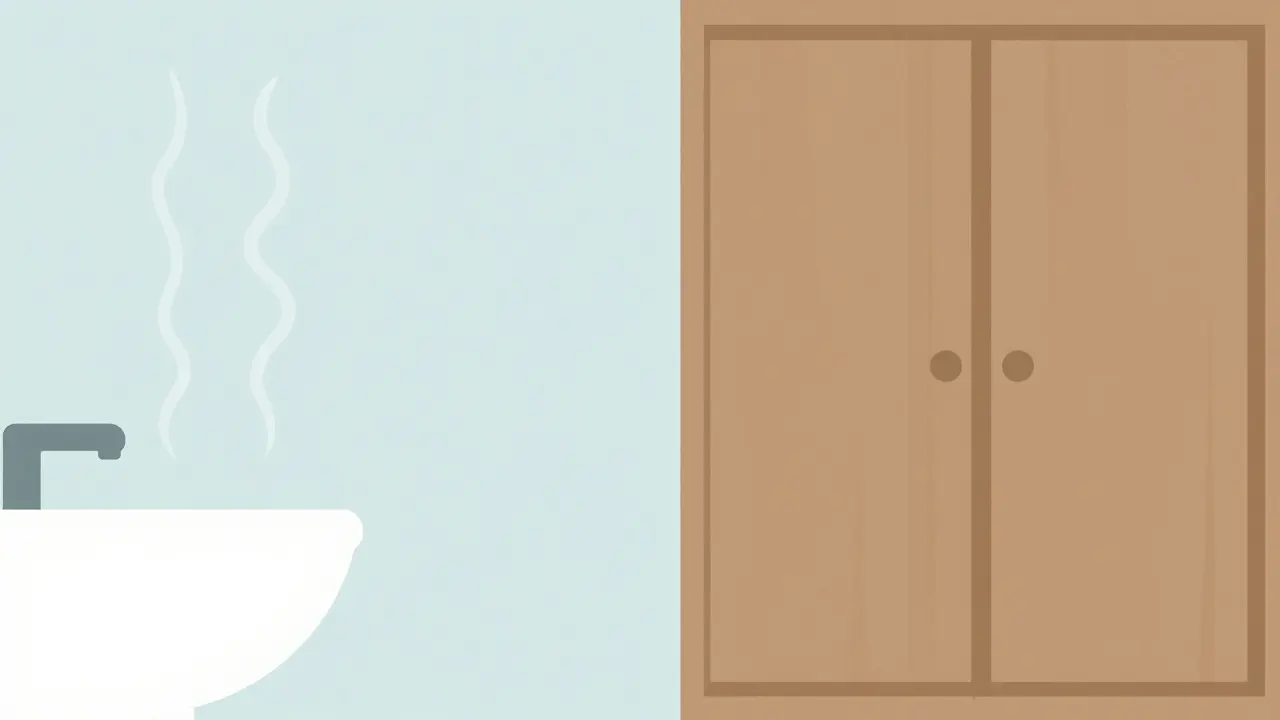
This isn't just about saving money; it’s about ensuring availability during emergencies. When governments manage strategic stockpiles, they rely on scientific data rather than fixed calendar dates. However, there is a major difference between a government-controlled stockpile and the bathroom cabinet at home. While institutional storage meets precise criteria, your home environment introduces variables that can ruin stability much faster.
How Stability Testing Works
Pharmaceutical companies don't guess when a medicine goes bad. They follow strict protocols outlined by the ICH Guidelines (International Council for Harmonisation) is a global framework defining pharmaceutical quality standards including Q1A(R2) for stability testing. These guidelines require statistical analysis to determine the point where the 95% confidence limit for the mean stability curve intersects acceptance criteria. Essentially, manufacturers calculate the date when the drug might fail to meet safety standards under recommended conditions.
Testing involves checking chemical purity, physical appearance, and microbiological status at regular intervals. Some tests even happen at slightly elevated temperatures to project long-term stability. For solid oral dosage forms, the ideal conditions are usually 5°C or 25°C with 60% relative humidity. When these parameters are strictly controlled, industry case studies show shelf life extensions from 18 months to 24 months are possible for certain product presentations. If you are trying to preserve a medication at home, understanding these environmental triggers is crucial.
| Condition | Ideal Range | Common Home Deviation |
|---|---|---|
| Temperature | 20°C - 25°C | Kitchen heat or Bathroom steam (varies widely) |
| Humidity | < 60% RH | Bathroom showers often exceed 80% |
| Light Exposure | Ambient or Dark | Direct sunlight degrades active ingredients |
| Container Integrity | Tight, Child-Resistant | Loose caps allow moisture ingress |
Which Medications Can Last Longer?
Not every pill behaves the same way once the clock runs out. The SLEP data reveals significant differences between drug categories. Medications like naloxone, halothane, and fentanyl demonstrated 100% stability for four to five years post-expiration across all tested lots. On the flip side, liquid formulations, reconstituted antibiotics, and biologics tell a different story. Dr. Lee Cantrell from the University of California warns that while solid tablets hold up, certain antibiotics like tetracycline can degrade into toxic compounds over time.
You also need to consider refrigeration requirements. Medications requiring strict temperature control, such as insulin or specific vaccines, have little room for error. Even brief excursions outside their required range-say, leaving a fridge-door open for hours during a move-can cause irreversible degradation. In contrast, some solid tablets used for emergency response have seen massive extensions. For instance, the FDA approved a shelf-life extension for TPOXX (tecovirimat) Injection from 48 months to 60 months for specific lots recently in early 2024. This shows how modern manufacturing validates longer timelines.
Risks You Cannot Ignore
While the potential for waste reduction exists, attempting to extend shelf life at home carries risks. The Joint Commission standard MM.03.01.01 mandates that medical facilities adhere strictly to manufacturer storage instructions. This applies to pharmacies and hospitals, but it highlights the danger of deviating from the label. The primary issue isn't always toxicity; it is potency. A painkiller might look fine but deliver less relief than needed, endangering someone in acute distress.
FDA pharmacologist Dr. John Jenkins noted publicly that the vast majority of properly stored medications remain effective well beyond dates, yet potency gradually declines. But "gradually" is the key word you cannot measure at home. Without lab equipment, you cannot verify if the 95% confidence limit has been breached. Additionally, packaging plays a massive role. High-density polyethylene (HDPE) bottles with child-resistant caps protect against moisture better than glass vials left open. If a bottle has lost its seal, the protective barrier is gone.
Future Technologies for Preservation
The industry is moving toward continuous stability monitoring rather than fixed expiration dates. By 2023, nearly 70% of top pharmaceutical companies implemented real-time stability tracking systems. We are seeing the rise of intelligent packaging equipped with time-temperature integrators. These small indicators provide a visual signal showing cumulative exposure to heat. Early trials suggest this technology could extend reliable shelf life determinations by 15-25% compared to static labels.
For consumers, the most practical takeaway remains simple environmental control. Keeping medicines away from high-humidity zones like the bathroom reduces failure rates significantly. Storing them in cool cabinets near room temperature avoids the condensation issues caused by frequent temperature swings. As packaging improves with features like Modified Atmosphere Packaging (MAP), which alters internal gas mixtures to inhibit microbial growth, future medicines may stay potent naturally for much longer periods.
Practical Steps for Safe Home Storage
If you want to maximize the usability of your medicines without risking safety, follow these specific rules derived from expert guidelines:
- Check the Label: Look for specific instructions like "Store below 25°C" or "Protect from light."
- Keep Caps Tight: Always secure containers immediately after use to maintain the desiccant dry environment inside.
- Avoid Heat Sources: Do not place medicines near radiators, stoves, or windows receiving direct sun.
- Control Humidity: Avoid keeping liquids or loose pills in bathrooms where shower steam raises relative humidity above safe levels.
- Monitor Appearance: Discard any tablet that changes color, texture, or emits a strange odor regardless of the date.
By adhering to these basic principles, you align your home habits closer to the rigorous standards maintained by institutions managing the Strategic National Stockpile. Remember, while science proves many drugs last longer than labeled, personal safety requires erring on the side of caution regarding critical therapies.
Can I take expired medication in an emergency?
Generally, you should avoid using expired medication unless absolutely necessary. For critical treatments, potency loss could mean the drug doesn't work. In dire situations where no alternative exists, consult a medical professional before use.
How long are unopened medications safe?
Unopened medications typically retain stability closest to the package expiration date. Studies show 88% of tested stockpile items retained adequacy beyond original dates, but this depends entirely on stable storage conditions.
Is it safe to store insulin longer than 28 days?
Insulin generally becomes compromised after 28 days once in use due to biological instability. It does not benefit from standard shelf-life extension methods applicable to solid tablets.
Does light affect medicine shelf life?
Yes, UV exposure causes oxidation and degradation in many active ingredients. Always keep medications in opaque containers or dark places to preserve stability.
Why do some drugs expire sooner than others?
Molecular complexity dictates stability. Simple chemical structures resist degradation better than complex biologics or reconstituted liquids which react more quickly to environmental stress.
Comments (10)
Honestly most people ignore the bathroom rule and ruin their meds anyway.
Humidity really does wreck things faster than we think. Many folks assume the bottle seal protects everything but steam finds every gap. It is important to move items to the bedroom instead. Keeping moisture away helps preserve the chemicals inside.
People always talk about saving money on old pills. They forget that chemistry changes in unpredictable ways. Solid state drugs are the only ones that might hold up. You cannot verify chemical purity without proper tools. Liquid suspensions break down almost immediately after sealing breaks. Antibiotics are particularly nasty when they degrade incorrectly. Tetracycline creates nephrotoxic byproducts under stress. Your kidney function takes a huge hit from those impurities. Most households lack the climate control needed for extension. Heat spikes in summer kitchens accelerate hydrolysis reactions rapidly. Light exposure through clear plastic bottles speeds photodegradation. Manufacturers set dates conservatively for liability reasons mostly. Ignoring labels puts patients at significant health risks daily. Emergency stockpiles have refrigerated secure vaults not cupboards. Trusting a printed date is safer than guessing stability.
You clearly missed the point about FDA protocols being strict for a reason. Consumer ignorance leads to preventable harm events regularly. Regulatory bodies prioritize patient welfare over cost savings constantly. Do not assume you can replicate controlled laboratory environments easily. Liability falls on the patient when you deviate from approved storage guidelines.
There is a deep ethical dilemma regarding pharmaceutical waste. We throw away resources that could save lives during crises. Yet human safety must remain the absolute priority always. The balance between conservation and caution is hard to find. Governments manage millions of dollars in unused medication stock. Individual homes do not possess the same oversight systems. Risk assessment becomes personal when no lab exists nearby. We must consider who is taking the pill at the end. Vulnerable populations suffer the most from potency loss. Children and elderly rely on consistent dosing schedules daily. Variability in home environments introduces dangerous unknown factors. Science suggests potential extensions under ideal conditions. Reality shows that ideal conditions rarely exist in bathrooms. We should advocate for better packaging rather than home hacks. Long term stability tracking might change how we view expiry.
We need to trust scientific validation more than arbitrary calendar numbers. Technology is catching up with smarter storage indicators available now. Everyone deserves access to effective treatments regardless of minor delays. We should fight for transparency in manufacturing data immediately. Safety is non negotiable but waste is also unacceptable here.
I love the new tech ideas coming out!! Time-temperature strips are absolutely brilliant for peace of mind! Imagine never worrying about heat damage anymore! It feels like the future is finally arriving for us consumers! Packaging innovations are going to revolutionize how we store everything! We should all demand these features on our next refill visits!
Adherence to manufacturer specifications remains the standard for safety compliance. Deviations introduce variables that invalidate stability claims legally. Documentation of storage history is crucial for professional dispensing. Patients require clear guidance on optimal environmental parameters consistently.
Fair enough mate, keeping things cool and dry works best. Just try to avoid the bathroom cupboard whenever you can. Simple habits make a big difference in the long run.
The data supports extended shelf life under controlled scenarios strictly. Home application requires significant discipline to mimic those conditions accurately. Follow the label unless you have verified testing results otherwise. Personal experimentation carries too much risk for serious conditions.