Nicotine Withdrawal: Symptoms, Timeline, and What Actually Helps
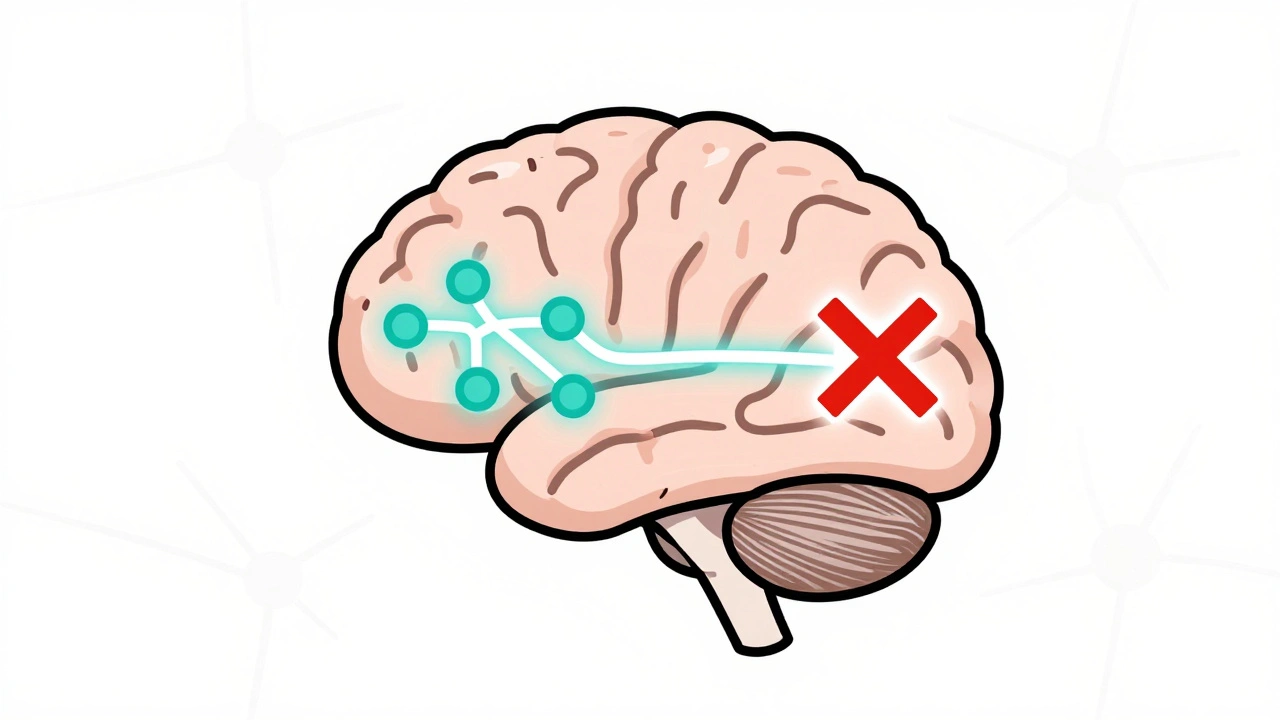
When you stop smoking, your body doesn’t just miss the habit—it misses the nicotine, a highly addictive chemical that alters brain chemistry and triggers dopamine release. Also known as tobacco dependence withdrawal, it’s the reason most people slip back within the first week.
Nicotine withdrawal isn’t just about cravings. It’s headaches, irritability, trouble sleeping, and that constant feeling like something’s missing. You might feel anxious, restless, or even depressed. These aren’t signs of weakness—they’re your brain rewiring itself after years of constant stimulation. The worst symptoms usually hit within 24 to 48 hours and start fading after a week. Most people feel significantly better by day 10, though occasional urges can pop up for months. This isn’t a moral failure. It’s biology.
What helps? Nothing beats a plan. Some people swear by nicotine patches or gum to ease the transition. Others find that chewing on celery, drinking cold water, or going for a quick walk cuts the urge in half. Exercise is one of the most underrated tools—it boosts mood, distracts your mind, and reduces stress hormones. And while apps and hotlines can help, the real game-changer is knowing what’s coming. You’re not alone. Millions have walked this path, and the body heals faster than most expect.
Don’t let myths fool you. Withdrawal doesn’t mean you’ll gain 20 pounds. You might gain a few, but it’s manageable with simple changes. You won’t go crazy. The mood swings are real, but they’re temporary. And no, you don’t need to quit cold turkey to succeed. Gradual reduction works for some. What matters is consistency, not perfection.
Below, you’ll find real stories and science-backed tips from people who’ve been there. You’ll learn how to handle cravings without giving in, what to do when sleep falls apart, and why some people bounce back faster than others. This isn’t theory. It’s what works in real life—no fluff, no hype, just what helps.