Refill Sync: Keep Your Medications on Track Without the Stress
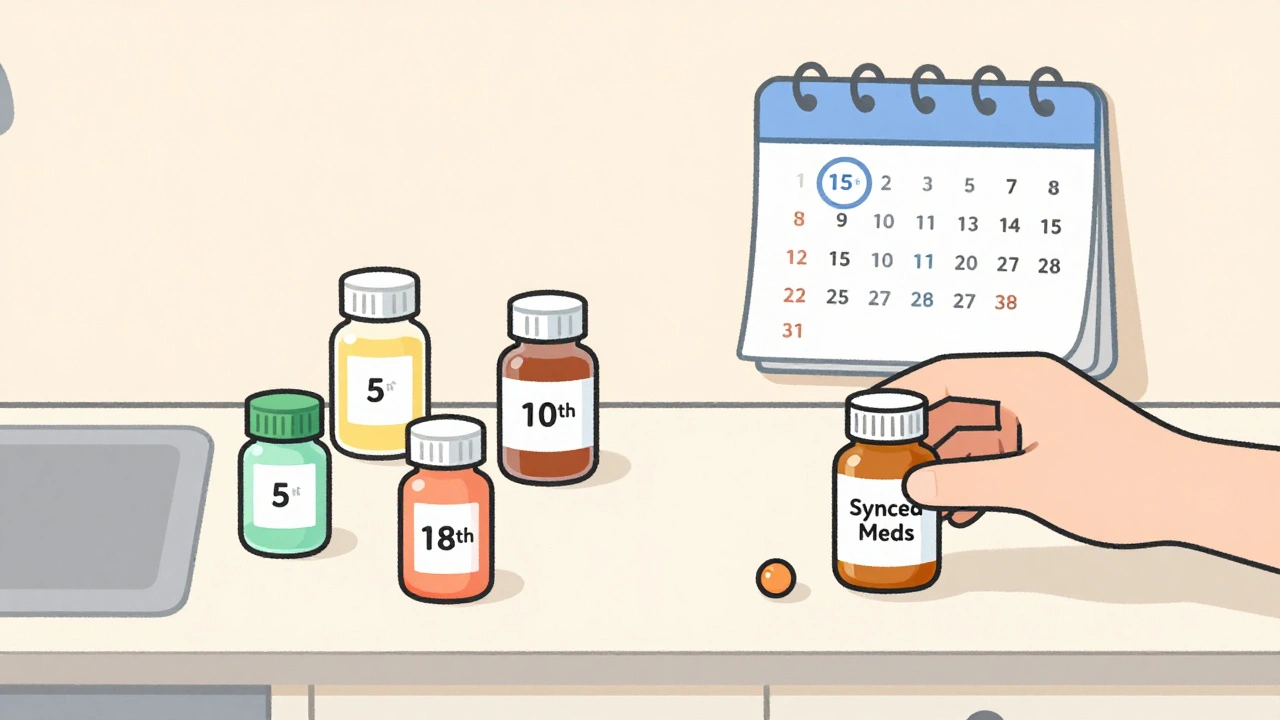
When you’re juggling multiple prescriptions, keeping track of refill dates can feel like a full-time job. That’s where refill sync, a system that aligns your prescription refill dates so they all fall on the same day or week. Also known as medication synchronization, it’s not just about convenience—it’s a proven way to boost adherence and avoid dangerous gaps in treatment. Imagine getting your blood pressure pill, cholesterol med, and thyroid drug all at once instead of chasing them across the month. That’s refill sync in action.
It’s not magic—it’s logistics. Pharmacies use refill sync to group your meds based on when they’re due, then coordinate refills so you pick them up once every 30 or 90 days. This cuts down on missed doses, which studies show can lead to hospital visits, especially for chronic conditions like diabetes or heart disease. And it’s not just for seniors. Busy parents, shift workers, and people with complex drug regimens benefit too. You’ll see fewer calls to your doctor asking for early refills, less confusion over which pill to take when, and fewer empty bottles piling up.
Refill sync works best when your pharmacy and prescriber are on the same page. Some insurers even encourage it by lowering copays for synchronized prescriptions. But it’s not automatic—you have to ask. Tell your pharmacist you want your meds synced. They’ll check your list, adjust dates if needed, and notify you when everything’s aligned. If you’re on a new drug, they’ll re-sync your schedule. If you stop one, they’ll update it. It’s a living system, not a one-time setup.
Related tools like pill organizers and reminder apps help, but they don’t fix the root problem: mismatched refill cycles. Refill sync does. It connects directly to how your prescriptions are processed, stored, and dispensed. That’s why it shows up in posts about generic medication savings, how bulk buying and coordinated refills reduce waste and lower costs, and why pharmacist generic recommendations, when tied to refill sync, improve both affordability and consistency. You can’t fully benefit from cost-saving generics if you’re skipping doses because you forgot to refill.
And it’s not just about pills. Refill sync applies to inhalers, insulin pens, patches, and even over-the-counter meds you take daily. If you’re using something regularly, syncing its refill can save you time, money, and stress. The system doesn’t care if it’s a $5 generic or a $500 specialty drug—it just wants you to stay on track.
What you’ll find below are real stories and practical guides on how refill sync fits into daily life. From how to start the process with your pharmacy, to what to do when a new med throws off your schedule, to how it reduces errors in pediatric and senior care—you’ll see how this simple trick keeps families healthier, one refill at a time.