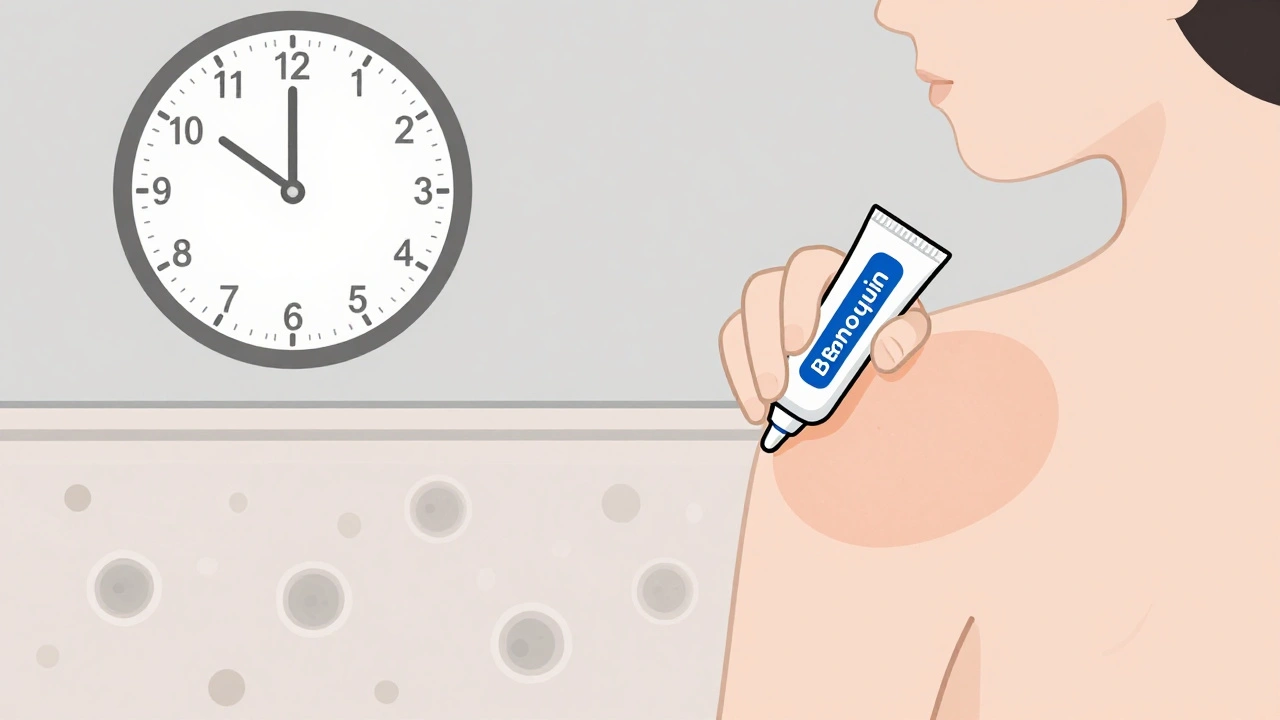
Vitiligo Treatment: What Works, What Doesn't, and What to Ask Your Doctor
When your skin loses color in patches, it’s not just a cosmetic issue—it’s a daily reminder that your body’s immune system is acting out of sync. Vitiligo, a condition where pigment-producing cells are destroyed, leading to white patches on the skin. Also known as leukoderma, it affects about 1% of people worldwide and shows up without warning, often on the face, hands, or around body openings. There’s no cure, but vitiligo treatment can help restore color, slow spread, or even out skin tone—if you know which options actually have science behind them.
Most people start with topical treatments. Topical corticosteroids, steroid creams that suppress local immune activity to allow pigment cells to return are common, but they can thin your skin if used too long. That’s why doctors now pair them with calcineurin inhibitors, non-steroid creams like tacrolimus that calm the immune response without skin damage. These are safer for the face and sensitive areas. For faster results, some turn to light therapy—narrowband UVB phototherapy, a controlled form of ultraviolet light that stimulates pigment cell regrowth. It’s not magic, but studies show it works for over half of patients after 6–12 months of regular sessions.
But not all treatments are equal. Some clinics push expensive lasers or unproven herbal mixes with no real data. Others recommend oral meds like JAK inhibitors, which are promising but still being studied for vitiligo. And while some swear by antioxidants or vitamin D, there’s no solid proof they rebuild pigment on their own. What matters most is matching your treatment to your skin type, patch location, and how fast it’s spreading. If your patches are spreading quickly, you might need stronger options. If they’ve been stable for years, you might just need coverage or camouflage.
What you won’t find in most ads is the truth about side effects. Steroid creams can cause redness, acne, or even infections. Light therapy can burn if not done right. And some treatments require months before you see a difference—patience is part of the process. The best outcomes come from working with a dermatologist who tracks your progress, adjusts doses, and knows when to switch gears.
Below, you’ll find real-world insights from people who’ve been through this. From how to spot early signs of steroid damage to why some phototherapy clinics cut corners, these posts cut through the noise. You’ll learn what actually works, what’s overhyped, and how to ask the right questions so you don’t waste time or money on something that won’t help.