Earwax Removal: Safe Methods, Risks, and What Actually Works
When it comes to earwax removal, the natural process of clearing excess cerumen from the ear canal. Also known as cerumen impaction, it becomes a problem when wax builds up and blocks hearing or causes discomfort. Most people don’t need to clean their ears at all—your ears are designed to clean themselves. But when wax hardens, sticks, or pushes against the eardrum, you might feel fullness, hear ringing, or notice muffled sounds. That’s when earwax removal becomes necessary.
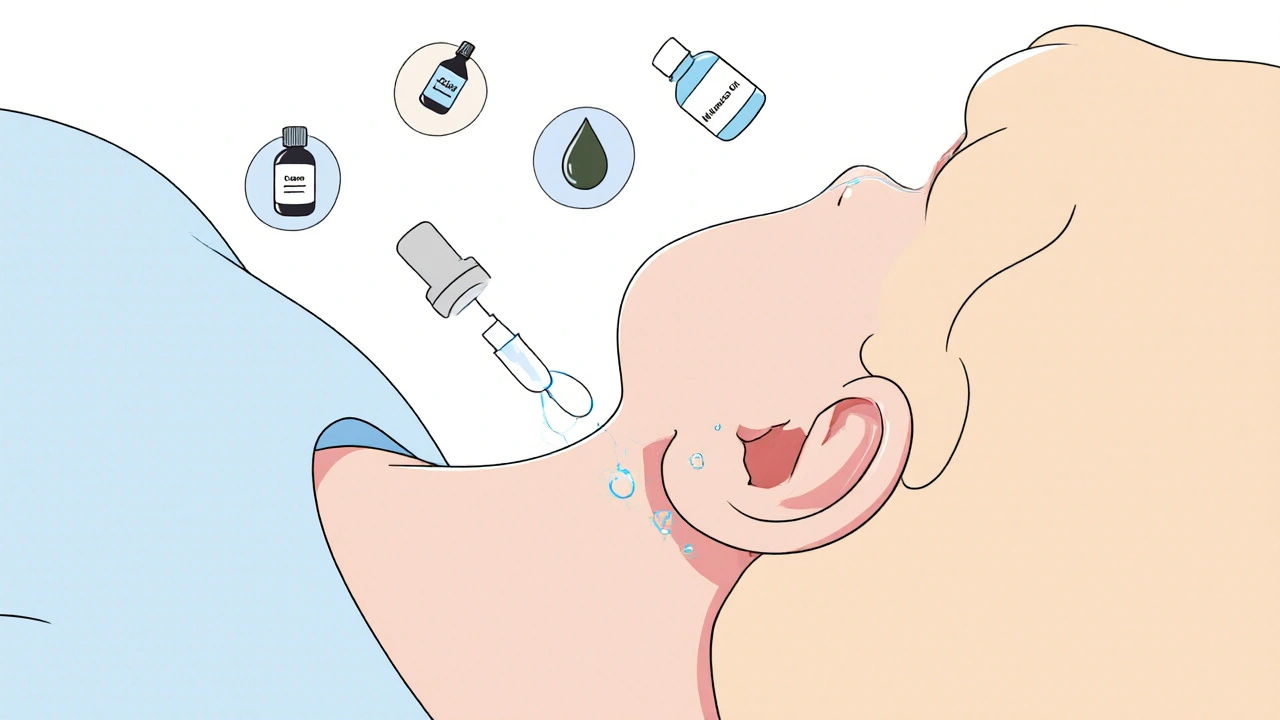
But here’s the catch: using cotton swabs, bobby pins, or ear candles won’t help—and they can make things worse. Swabs push wax deeper, increasing the risk of impaction or even a ruptured eardrum. Ear candles? They don’t remove wax and can burn your skin or leave candle residue inside your ear. Real solutions are simpler: ear drops, liquid solutions that soften hardened wax to let it drain naturally, or gentle irrigation done by a professional. Over-the-counter drops like carbamide peroxide work for mild cases, but if you have a history of ear infections, tubes, or perforated eardrums, skip them. Always check with a doctor first.
Cerumen impaction, a blockage caused by excess earwax that affects hearing or causes pain, is common in older adults, people who wear hearing aids, or those with narrow ear canals. It’s not dirty—it’s just out of balance. Doctors use specialized tools like curettes or suction to remove wax safely. No poking, no pressure, no guesswork. If you’ve tried drops and it’s not helping, or if you feel pain, dizziness, or sudden hearing loss, don’t wait. That’s when you need professional care.
You’ll find real stories here—people who thought earwax was just a nuisance, only to learn it was blocking their hearing. Others who used home remedies and ended up in the ER. And the ones who finally found relief with the right method, not the loudest advice online. This collection covers what works, what’s dangerous, and what your doctor actually recommends. No fluff. No myths. Just clear, practical info to help you protect your ears without risking them.