Respiratory Depression: Causes, Risks, and What You Need to Know
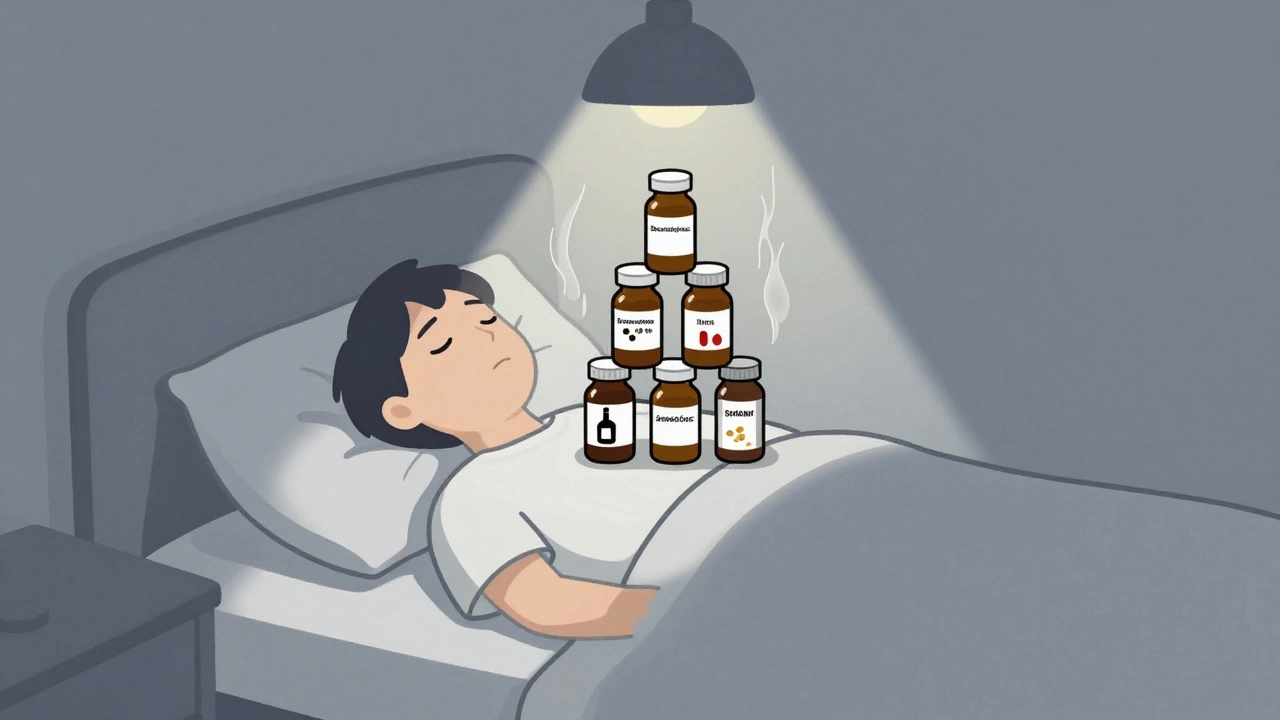
When your breathing slows too much, it’s called respiratory depression, a condition where the body doesn’t take in enough oxygen or expel enough carbon dioxide. Also known as hypoventilation, it’s not just a side effect—it’s a medical emergency that can lead to brain damage or death if not caught in time. This isn’t rare. It happens every day in hospitals, homes, and emergency rooms, often tied to pain meds, sleep aids, or untreated sleep disorders.
One of the biggest triggers is opioids, medications like oxycodone, morphine, and fentanyl used for pain. Opioid respiratory depression is why overdoses kill—these drugs directly quiet the brain’s breathing center. Even people taking prescriptions as directed can slip into this state, especially if they mix opioids with alcohol, benzodiazepines, or sleep medications. And it’s not just overdoses. People with central sleep apnea, a condition where the brain fails to signal the lungs to breathe during sleep are at risk too. The same brain signals that get messed up by opioids can also fail at night, causing oxygen levels to drop dangerously low while someone sleeps.
Other drugs like benzodiazepines, barbiturates, and even some muscle relaxants can cause the same effect. It’s not about the dose alone—it’s about combinations. A person taking gabapentin for nerve pain and melatonin for sleep might not think twice, but together, they can slow breathing enough to be life-threatening. Older adults, people with lung disease, or those with obesity are more vulnerable. And because respiratory depression often happens quietly—no loud gasping, no struggle—it’s easy to miss until it’s too late.
You won’t find this in every doctor’s office conversation. But if you or someone you care for is on pain meds, sleep aids, or has been diagnosed with sleep apnea, this is something you need to know. The posts below cover real cases, drug interactions, and safety steps—from how sedatives affect breathing to why certain medications should never be mixed. You’ll learn how to spot the warning signs before it becomes critical, what to do if someone stops breathing, and how to talk to your pharmacist about safer alternatives. This isn’t theoretical. It’s about keeping people alive.
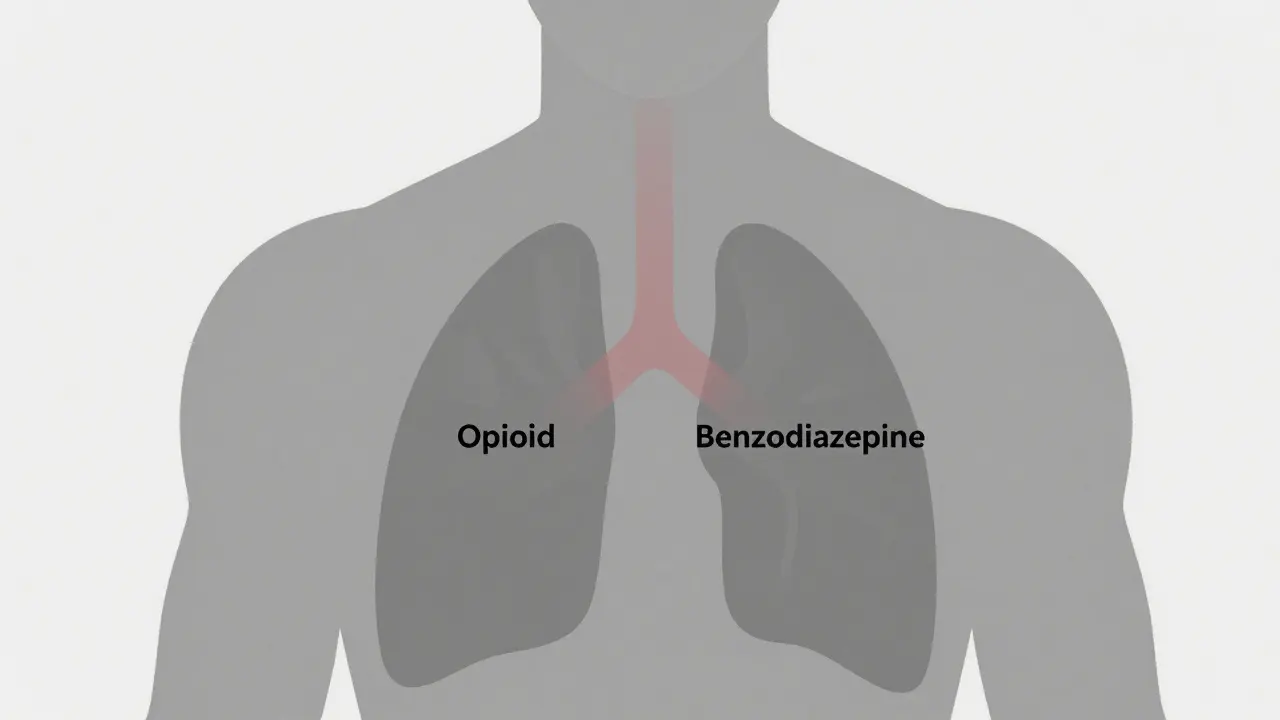
Opioids and Benzodiazepines: How Their Interaction Can Stop Your Breathing