Sleep Apnea: Causes, Risks, and What You Can Do
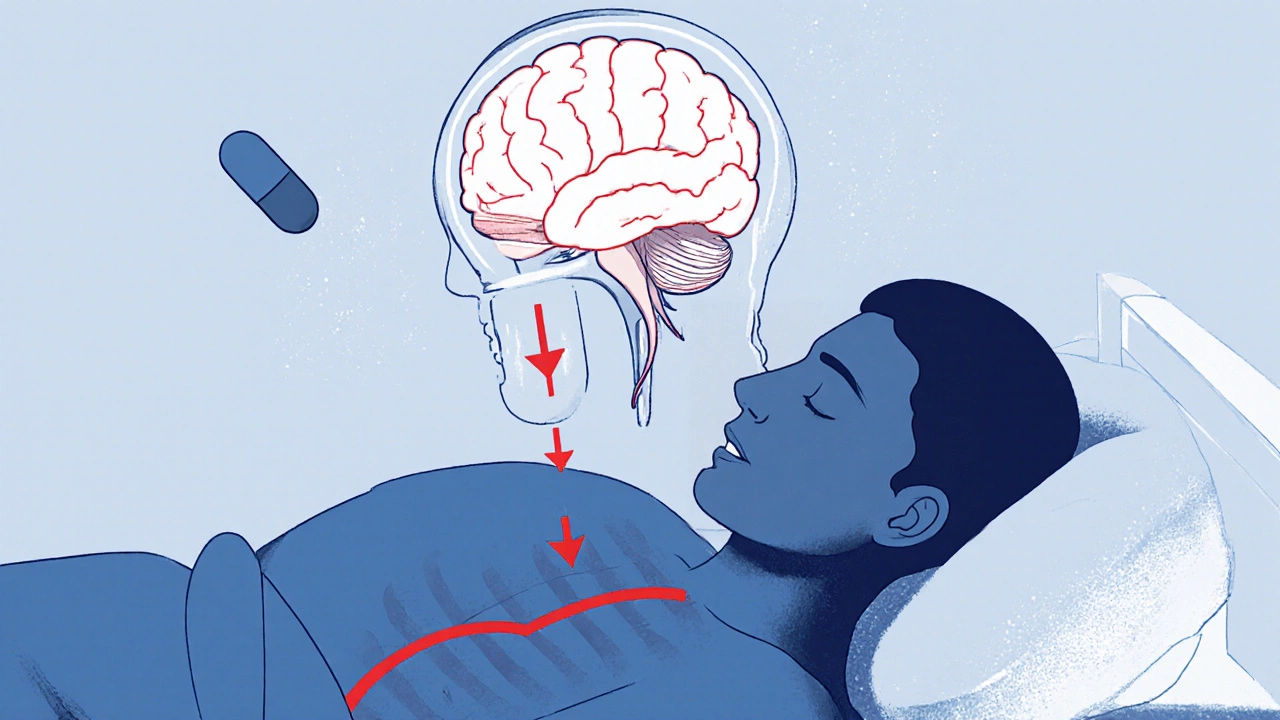
When you have sleep apnea, a condition where breathing repeatedly stops and starts during sleep. Also known as obstructive sleep apnea, it’s not just loud snoring—it’s your body struggling to get air while you’re asleep. Many people think it’s just a nuisance, but untreated sleep apnea raises your risk for high blood pressure, heart attacks, stroke, and even type 2 diabetes. It’s not rare—about 1 in 5 adults has mild sleep apnea, and 1 in 15 has moderate to severe. If you wake up gasping, feel exhausted even after 8 hours in bed, or your partner says you stop breathing at night, this isn’t normal.
There are two main types: obstructive sleep apnea, the most common form, caused by throat muscles relaxing and blocking your airway, and central sleep apnea, where your brain fails to send the right signals to breathe. Most cases are obstructive, especially in people who are overweight, have a thick neck, or sleep on their back. But it’s not just about weight—some thin people with narrow airways or enlarged tonsils also have it. Kids get it too, often from enlarged adenoids.
One of the most common treatments is CPAP therapy, a machine that delivers steady air pressure through a mask to keep your airway open. It works—but many people struggle with discomfort, noise, or claustrophobia. That’s why alternatives like oral appliances, positional therapy, or even weight loss and nasal strips matter. Some people find relief by changing sleep positions, avoiding alcohol before bed, or using nasal dilators. Surgery is an option, but it’s not a quick fix and carries risks.
You don’t need a fancy sleep lab to start figuring this out. Keep a sleep diary. Note how often you wake up tired, if you snore loudly, or if you’ve been told you stop breathing. If you’ve tried everything and still feel wiped out, talk to a doctor. A home sleep test can confirm if you have apnea without spending a night in a hospital. The goal isn’t just to stop snoring—it’s to stop your body from being starved of oxygen every night.
What you’ll find below are real, practical guides on how sleep apnea connects to other health issues, what treatments actually work, how to use your CPAP correctly, and what to do if you can’t tolerate it. No fluff. Just what helps real people sleep better and live longer.