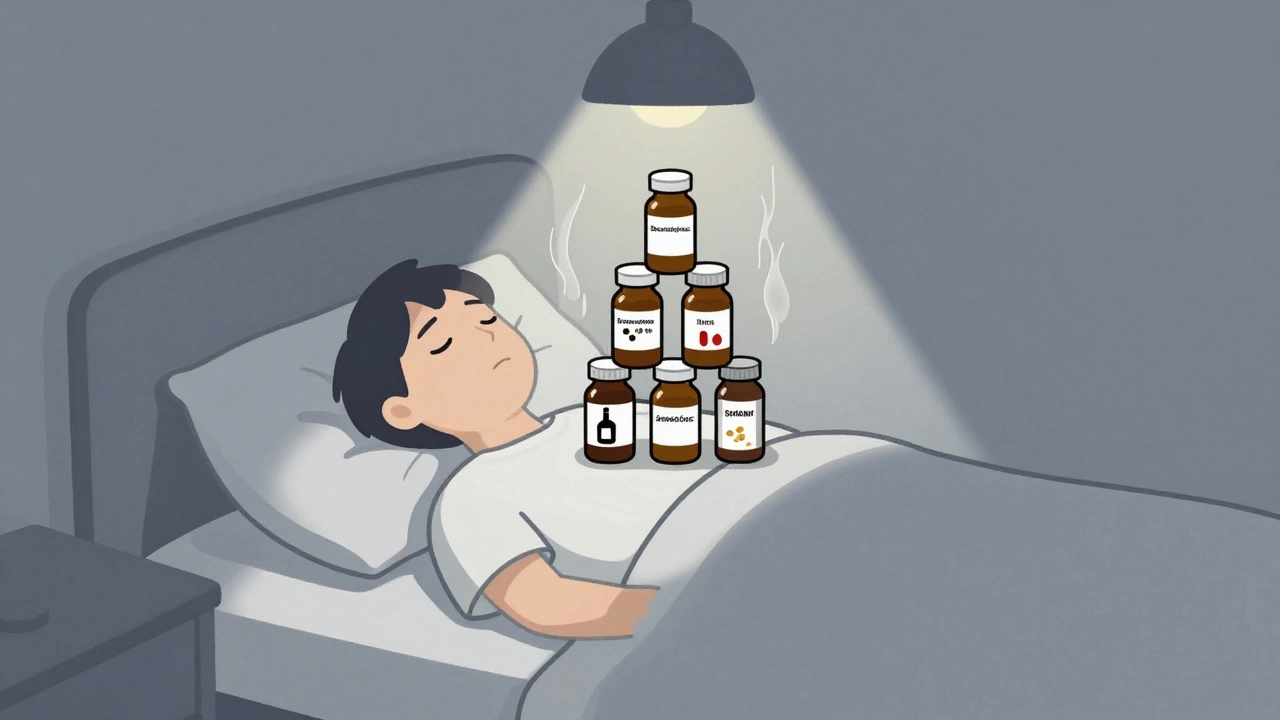
Opioid and Benzodiazepine Risks: What You Need to Know
When you take an opioid, a class of powerful painkillers that act on the brain’s reward and pain centers, including drugs like oxycodone, hydrocodone, and fentanyl. Also known as narcotics, they’re effective for severe pain but carry serious risks when misused. Combine that with a benzodiazepine, a sedative used for anxiety, insomnia, or seizures, including drugs like diazepam, alprazolam, and lorazepam. Also known as benzos, they calm the nervous system by boosting GABA activity. Together, they don’t just add up—they multiply. The result? Slowed breathing, dangerous drops in oxygen, and a higher chance of overdose. This isn’t theory. The CDC found that over 30% of opioid overdose deaths involved benzodiazepines. You don’t need to be using street drugs for this to happen. Even prescriptions from different doctors can put you at risk.
Why does this combo work so dangerously well? Opioids suppress the part of your brain that tells you to breathe. Benzodiazepines slow down your central nervous system even further. When both are active at the same time, your body loses its ability to react when oxygen levels fall. People don’t always pass out right away. Sometimes they just sleep deeper than usual—and never wake up. That’s why doctors now avoid prescribing both unless absolutely necessary. If you’re on one, your prescriber should check if you’re taking the other. If you’re unsure, ask your pharmacist. Many people don’t realize their anxiety med and painkiller are a dangerous pair.
It’s not just about overdoses. Long-term use of either drug leads to tolerance, dependence, and withdrawal that can be brutal. Stopping suddenly after regular use can cause seizures, hallucinations, or rebound anxiety. And if you’re mixing them, withdrawal gets even riskier. Some people end up taking more of both just to feel normal. That cycle is hard to break without help. If you’re on these meds long-term, talk to your provider about tapering plans. Don’t wait for a crisis. There are safer alternatives for pain and anxiety—like physical therapy, CBT, or non-addictive meds—that work just as well for many people.
Below, you’ll find real-world advice from pharmacists, doctors, and patients who’ve navigated these risks. You’ll learn how to spot warning signs, what questions to ask your prescriber, and how to avoid accidental overdoses. These aren’t theoretical warnings—they’re lived experiences. What you read here could save your life—or someone you love.