
Family24Rx.com: Your Family's 24 Hour Pharmacy Guide - Page 4
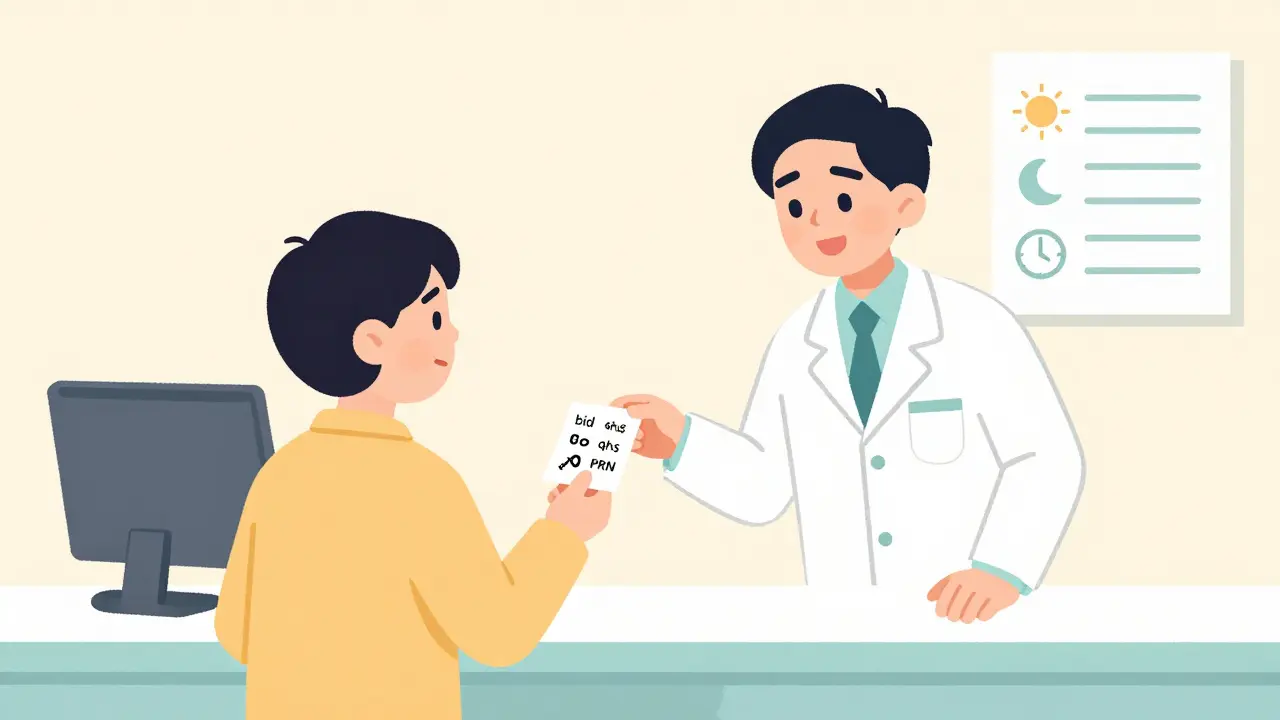
How to Request Written Medication Instructions You Understand
You have the right to understand your medication instructions. Learn how to ask for clear, written directions in plain language-and what to do if the pharmacy refuses. No jargon. No guesswork.
Read More
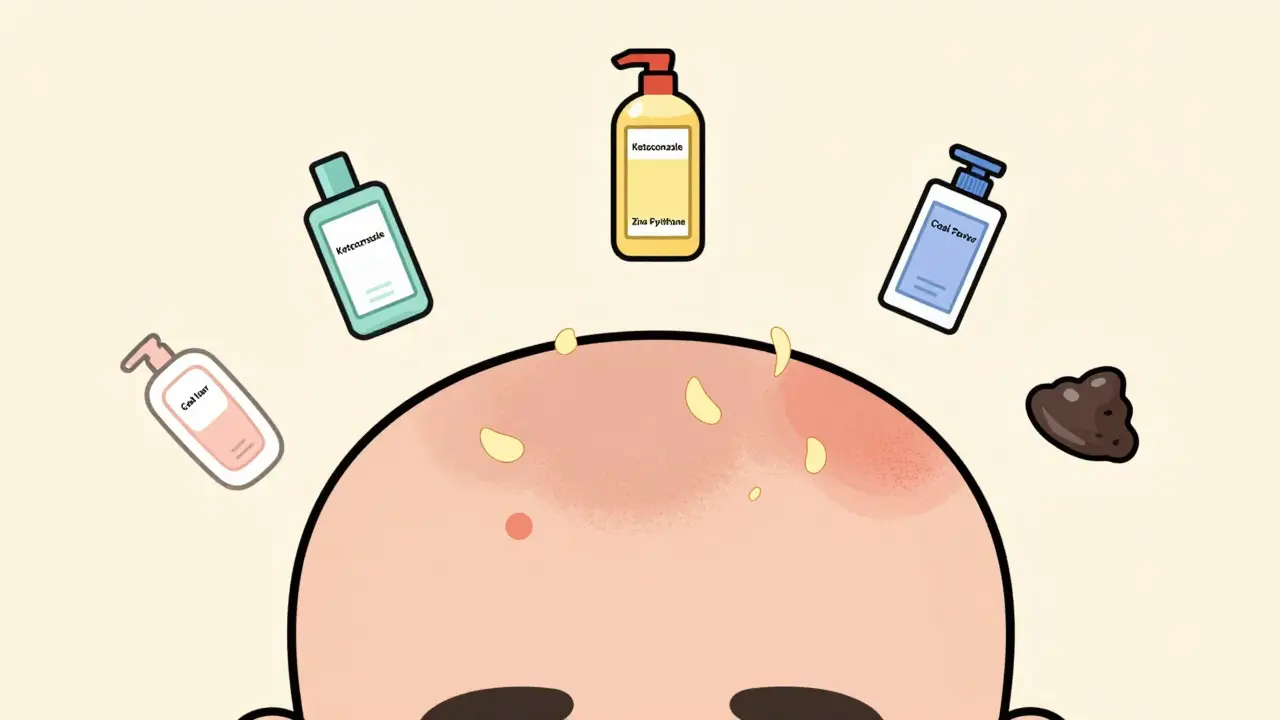
Seborrheic Dermatitis: How Medicated Shampoos Control Scalp Flaking
Seborrheic dermatitis causes persistent scalp flaking due to yeast overgrowth. Medicated shampoos with ketoconazole, zinc pyrithione, or coal tar are the most effective treatments. Learn how to use them right and manage flare-ups long-term.
Read More

How to Monitor Kidney Function for Safe Senior Dosing
Learn how to accurately monitor kidney function in seniors to prevent dangerous medication overdoses. Discover which eGFR formulas work best for older adults and what tests to ask for.
Read More
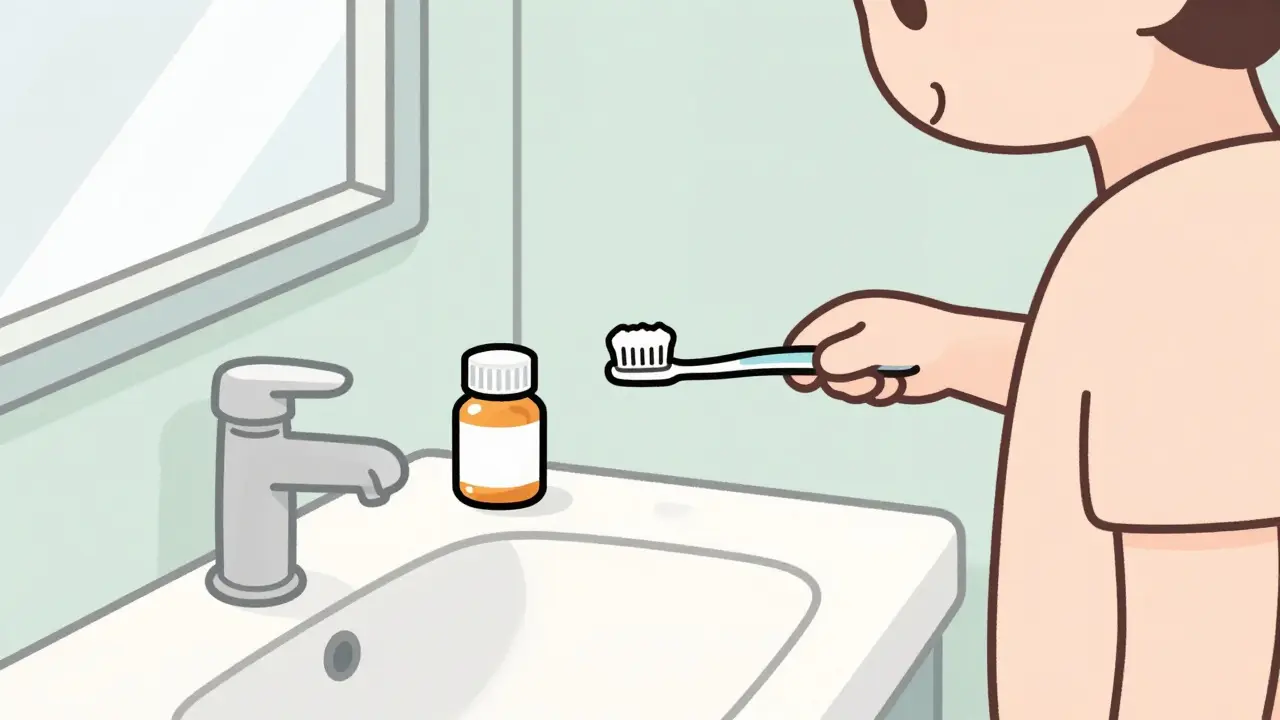
How to Pair Medications with Daily Habits for Better Adherence
Learn how to link your daily habits like brushing teeth or drinking coffee to taking your medication-proven to reduce missed doses by up to 50% without apps or alarms.
Read More

Acne: Types, Causes, and Topical vs. Oral Treatments
Learn the real causes of acne, the six main types you might have, and which topical or oral treatments actually work - backed by clinical data and real user results.
Read More

Spinal Stenosis and Neurogenic Claudication: What It Is and How It’s Treated
Neurogenic claudication is leg pain caused by spinal stenosis that improves when bending forward. Learn how to recognize it, distinguish it from vascular issues, and explore proven conservative and surgical treatments.
Read More
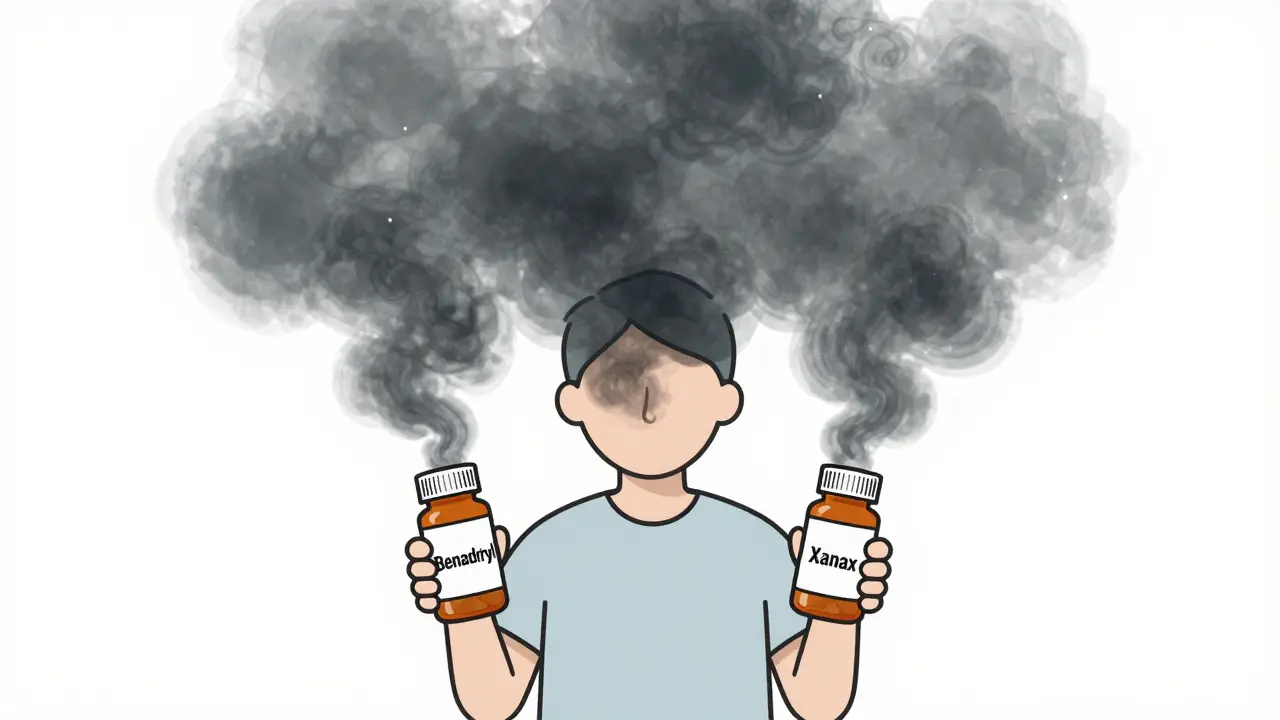
Antihistamine Interactions with Other Sedating Medications: What You Need to Know
Combining first-generation antihistamines like Benadryl with other sedating drugs can cause dangerous drowsiness, breathing problems, and even delirium. Learn which medications to avoid and safer alternatives for allergies and sleep.
Read More
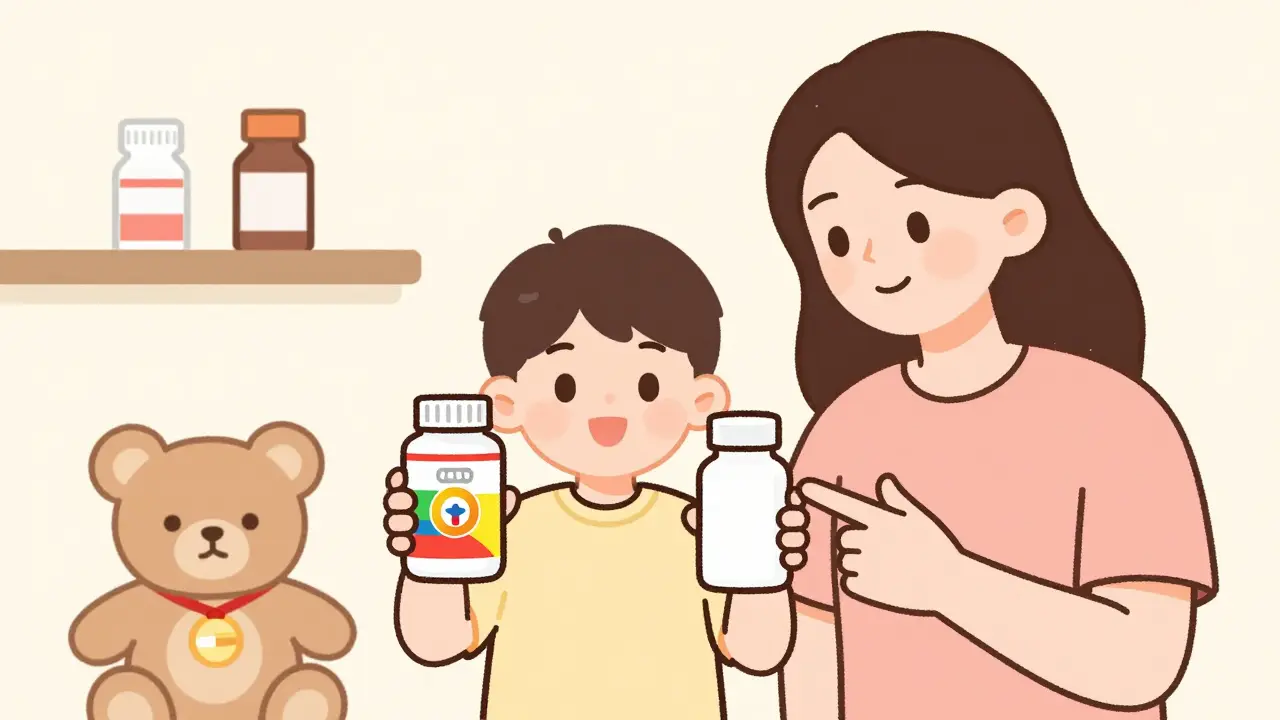
How to Teach Children About Generic Drugs in a Simple, Safe Way
Teach children how to recognize and safely use generic medicines with simple, age-appropriate lessons that build trust, reduce accidents, and save money. Learn proven methods from real school programs and expert guidelines.
Read More
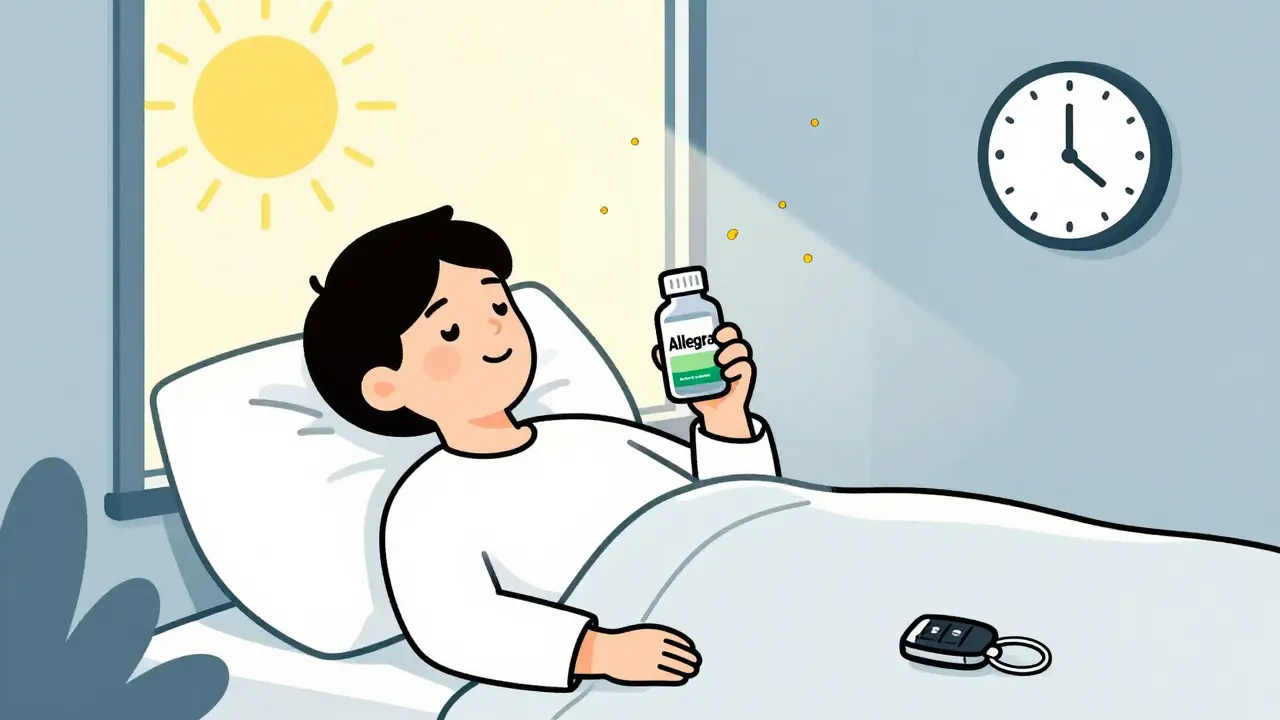
Antihistamines: Types, Side Effects, and Safe OTC Use Guidelines
Learn which OTC antihistamines work best with minimal drowsiness, how to choose between Zyrtec, Claritin, and Allegra, and safe usage tips for adults and children. Avoid common mistakes and find the right allergy relief for your lifestyle.
Read More

Coenzyme Q10 with Statins: Does It Help Muscle Pain?
Coenzyme Q10 may help reduce muscle pain caused by statins by restoring depleted levels in muscle tissue. While research is mixed, many patients report improvement. It's safe, affordable, and worth trying if you're struggling to stick with your statin.
Read More