
Drug Interactions: What They Are, Why They Matter, and How to Avoid Them
When you take more than one medication—whether it’s a prescription, an over-the-counter pill, or a supplement—you might be risking a drug interaction, a reaction between two or more substances that changes how they work in your body. Also known as medication conflict, it’s not just about side effects—it’s about your body reacting in ways no one warned you about. This isn’t rare. One in five adults takes five or more drugs, and many don’t realize their aspirin, fish oil, or sleep aid could be making their blood pressure pill useless—or dangerous.
Drug interactions happen in three main ways. First, one drug can change how your body absorbs another—like how calcium supplements block thyroid medicine from working. Second, they can affect how your liver breaks down meds, causing too much or too little of a drug to build up—think grapefruit juice making your statin overdose. Third, drugs can team up to amplify side effects, like combining opioids with sleep aids and risking stopped breathing. These aren’t theoretical risks. The adverse drug reactions, harmful and unintended responses to medications linked to interactions send over 1.3 million people to the ER every year in the U.S. alone. And it’s not just pills. Herbs like St. John’s wort, vitamins like K, and even foods like leafy greens can throw off your meds.
Some people are at higher risk—older adults, those on five or more meds, and people with kidney or liver issues. But you don’t need to be a senior to get caught. A young person taking gabapentin for nerve pain and ibuprofen for headaches might not know they’re increasing dizziness risk. Someone on levothyroxine might not realize taking iron at breakfast wipes out the thyroid dose. Even something as simple as timing matters: taking a blood pressure pill with food might make it work slower, or mixing antibiotics with dairy can stop them from working at all. The prescription interactions, unexpected effects when two or more prescribed drugs are taken together are often the most dangerous because they’re assumed to be "doctor-approved"—but doctors don’t always know what you’re taking on the side.
What you’ll find in the posts below isn’t a list of every possible combo. It’s real cases—like how hydroxyurea and certain antibiotics clash, why famotidine can mess with other drugs’ absorption, or how sleep apnea gets worse with opioids. You’ll see how people actually got hurt, how they fixed it, and what steps they took to stay safe. No fluff. No jargon. Just what works, what doesn’t, and what you need to ask your pharmacist before you swallow that next pill.
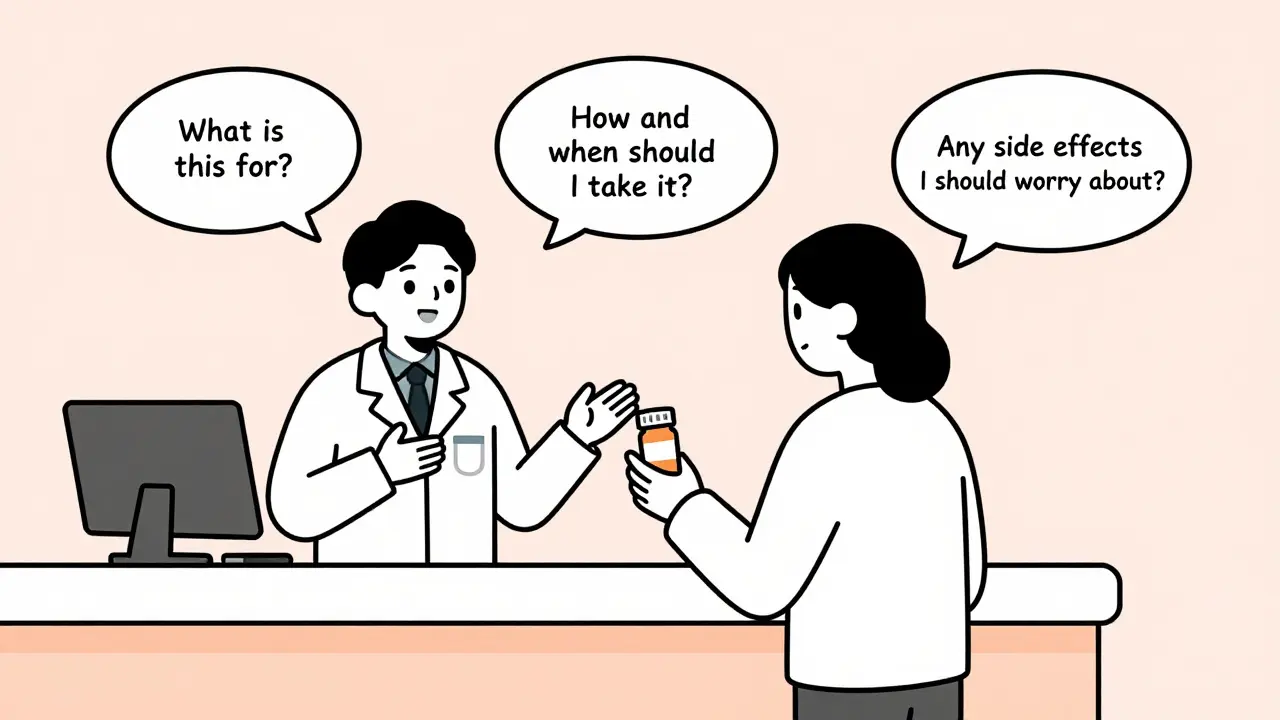
Top Medication Safety Questions to Ask at the Pharmacy Counter
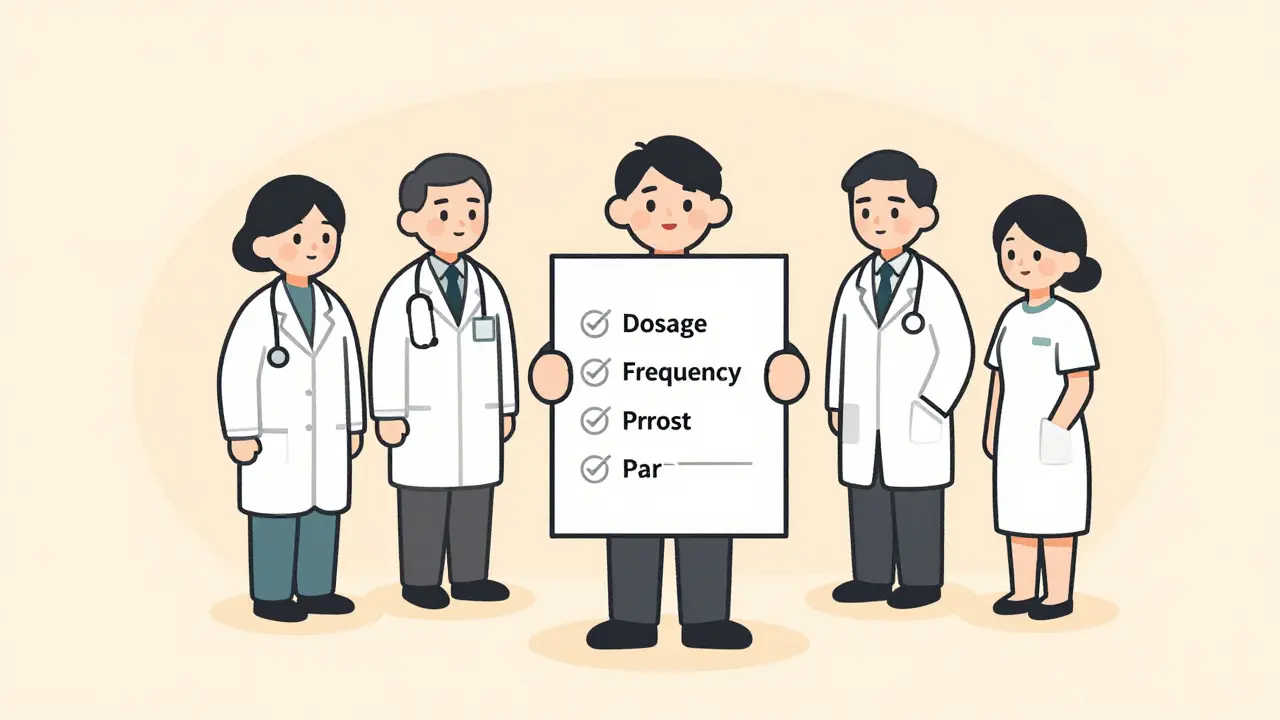
How to Communicate with Multiple Healthcare Providers About Your Medications
Rifampin Drug Interactions: How TB Medication Affects Other Drugs
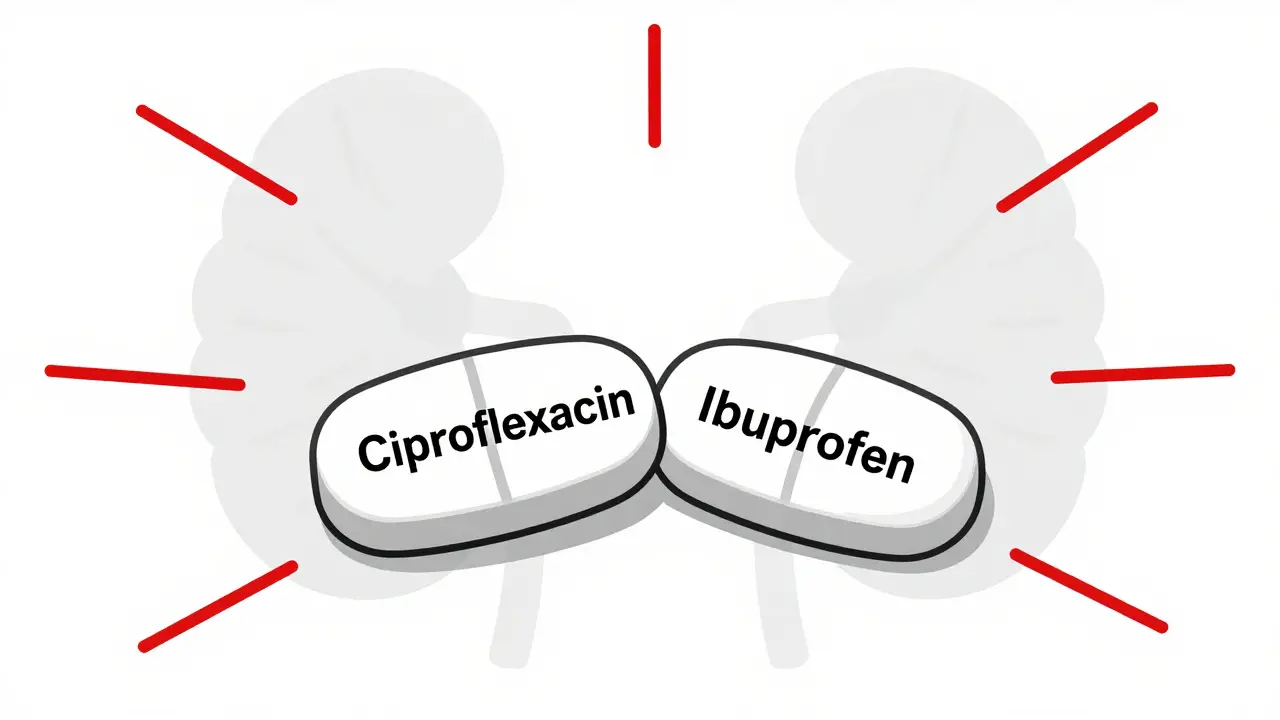
Fluoroquinolone Antibiotics and NSAIDs: What You Need to Know About the Neurological and Kidney Risks
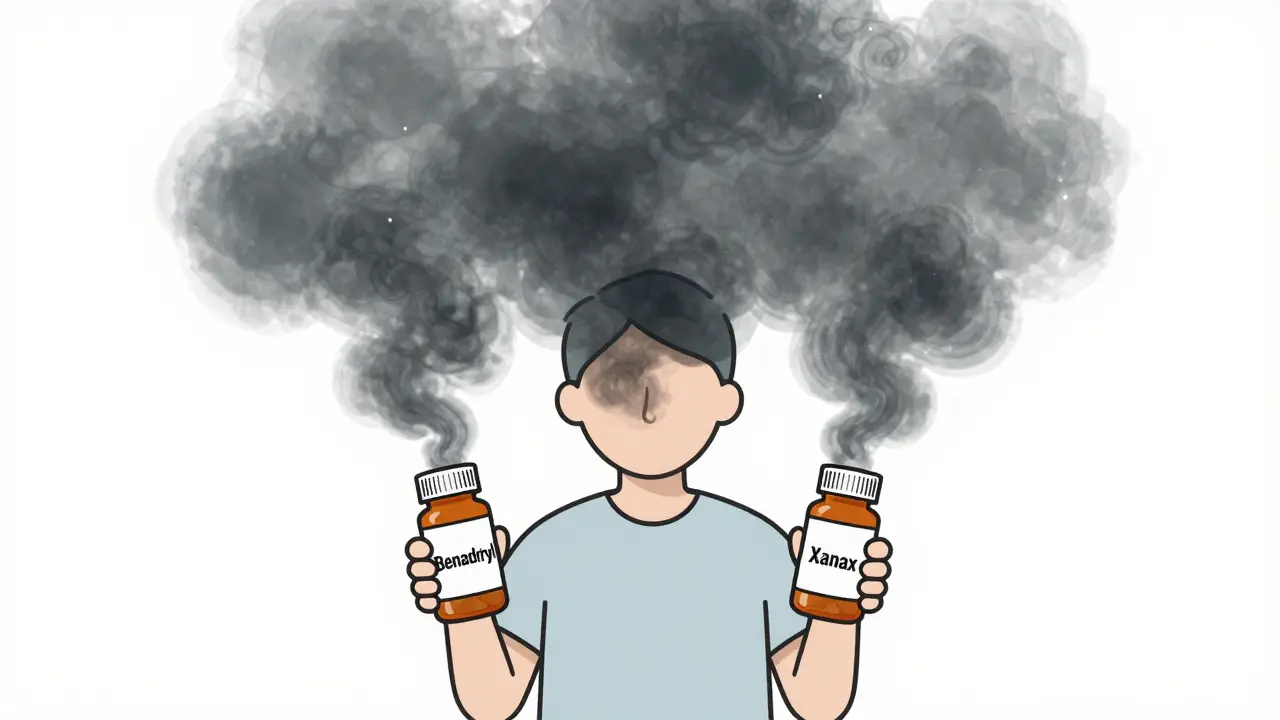
Antihistamine Interactions with Other Sedating Medications: What You Need to Know
Green Tea Extract and Medication Interactions to Watch
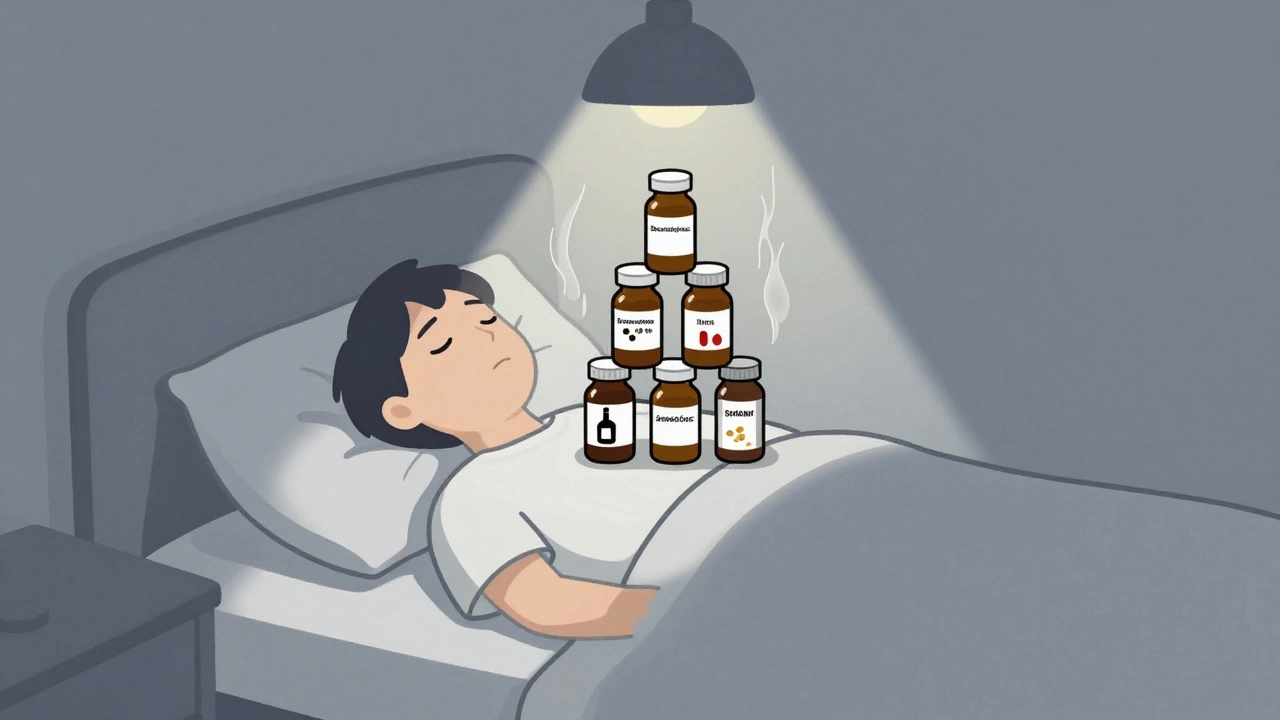
Combining Multiple Sedating Medications: Risks and Warning Signs You Can't Ignore
Smoking Cessation Medications: Bupropion and Drug Interactions You Need to Know
