
Category: Medications and Supplements - Page 2
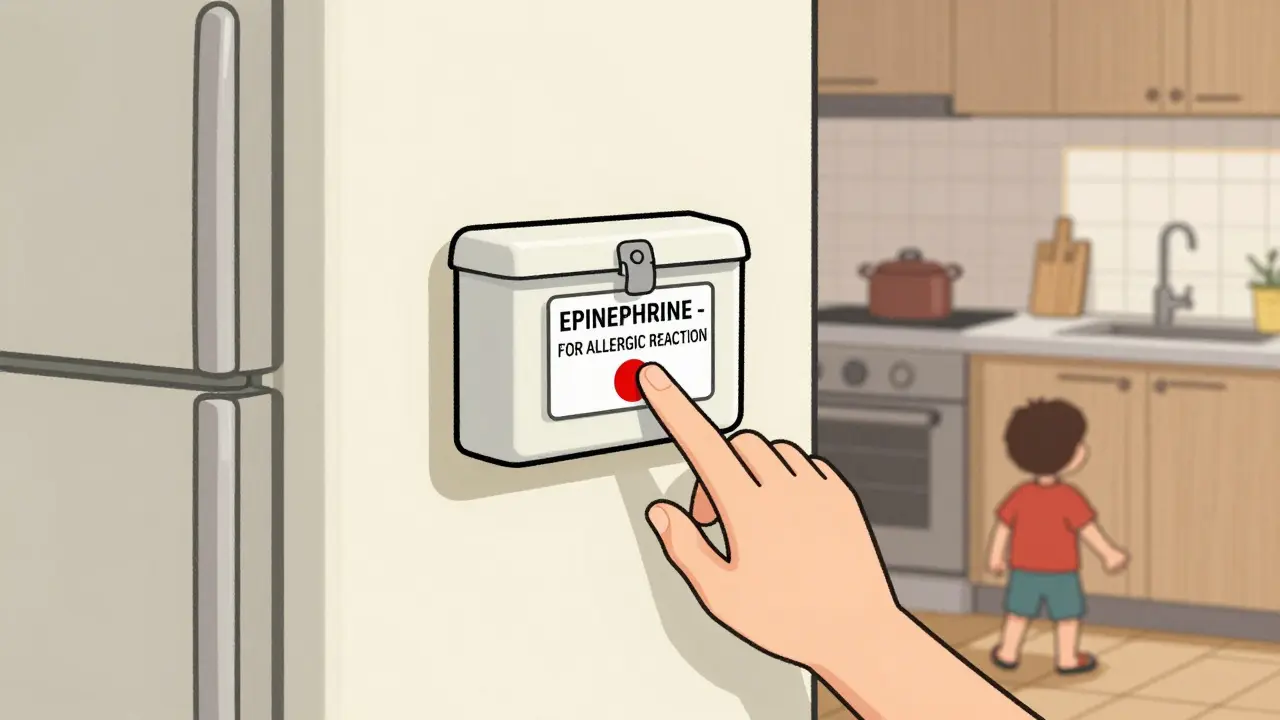
How to Keep Emergency Medications Accessible but Secure in 2026
Learn how to store emergency medications like epinephrine and naloxone so they're safe from kids and theft-but still quick to grab in a crisis. Real-world tips for home, car, and care settings.
Read More
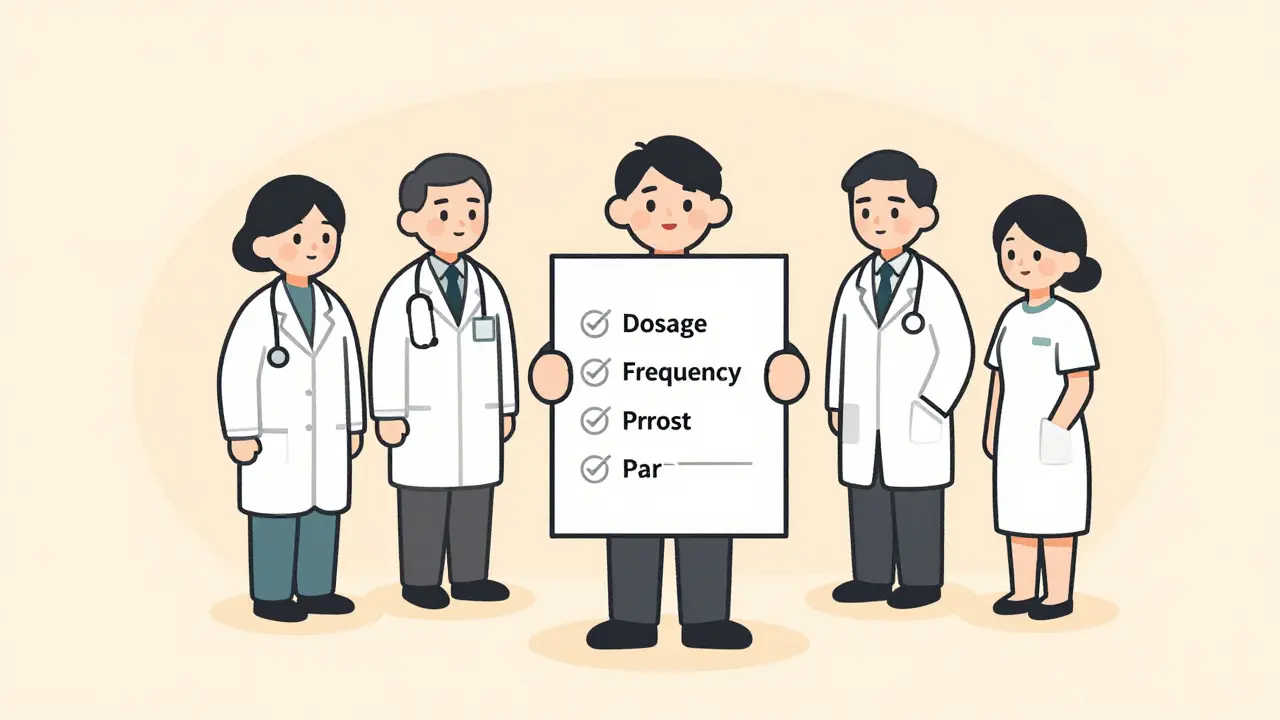
How to Communicate with Multiple Healthcare Providers About Your Medications
When seeing multiple healthcare providers, medication miscommunication can lead to dangerous interactions. Learn how to build a clear medication list, involve your pharmacist, and ask the right questions to stay safe and in control.
Read More

Rifampin Drug Interactions: How TB Medication Affects Other Drugs
Rifampin revolutionizes TB treatment but causes dangerous interactions with contraceptives, blood thinners, and HIV drugs. Learn how it affects other medications, clinical risks, and new research on overcoming these issues.
Read More
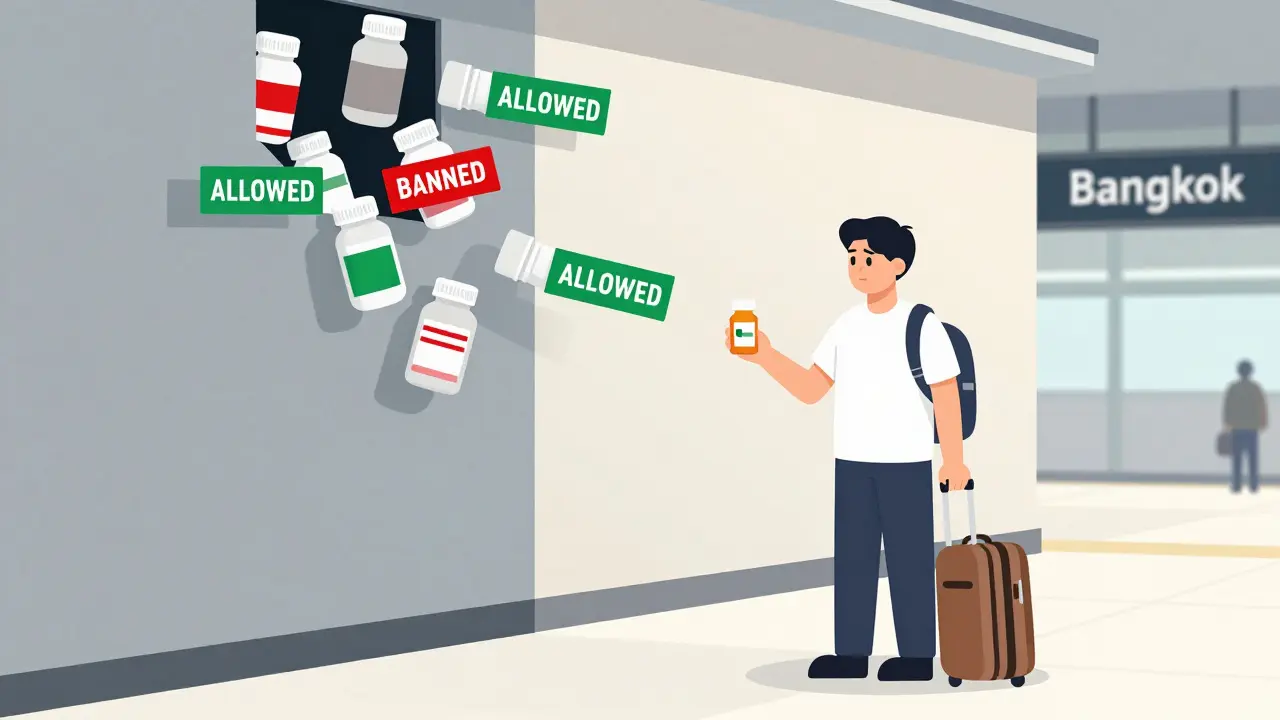
Border and Customs Rules for Bringing Medications Internationally in 2026
Learn the updated 2026 rules for bringing prescription and controlled medications across international borders. Avoid seizures, delays, and legal trouble with step-by-step preparation tips and country-specific warnings.
Read More

Muscle Aches from Statins: What Really Happens and What to Do
Muscle aches from statins are common but often misunderstood. Learn what’s really causing the pain, how to tell if it’s the drug, and safe ways to keep your heart protected without unnecessary discomfort.
Read More
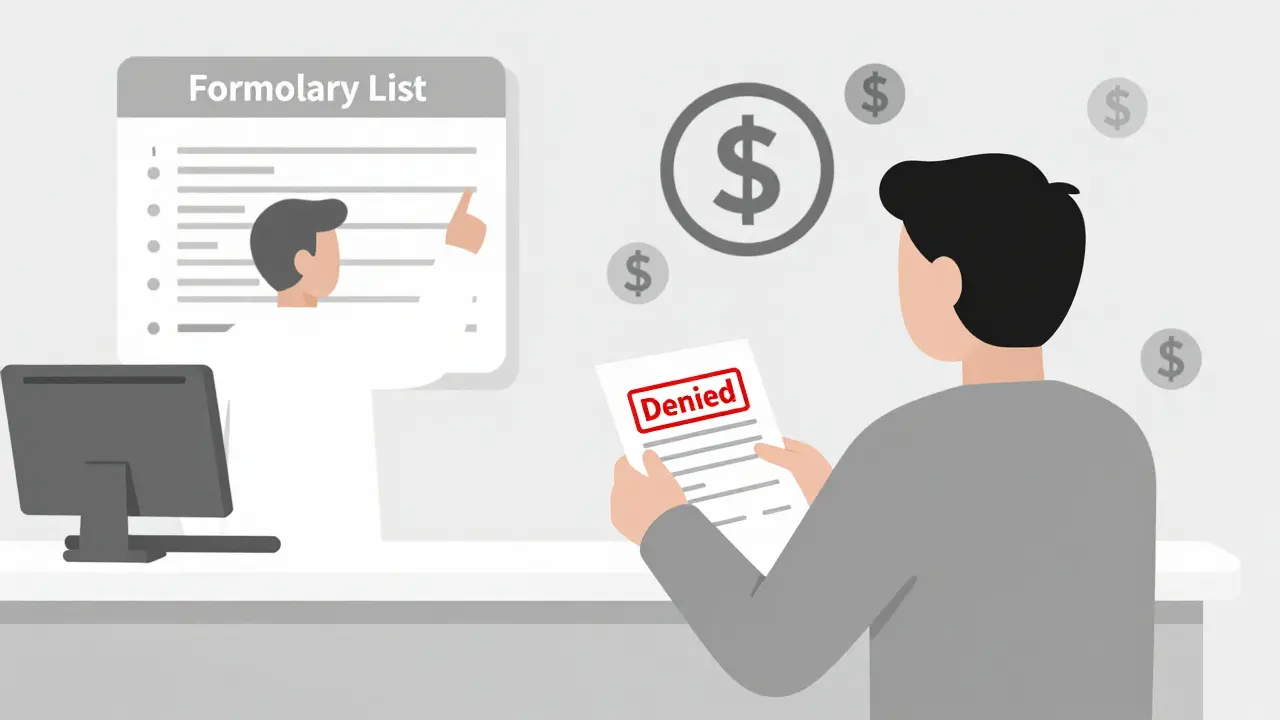
Non-formulary generics: what to do when coverage is denied
When your insurance denies coverage for a generic medication, you still have rights. Learn how to appeal non-formulary generic denials with clinical evidence, understand approval rates, and avoid costly mistakes.
Read More
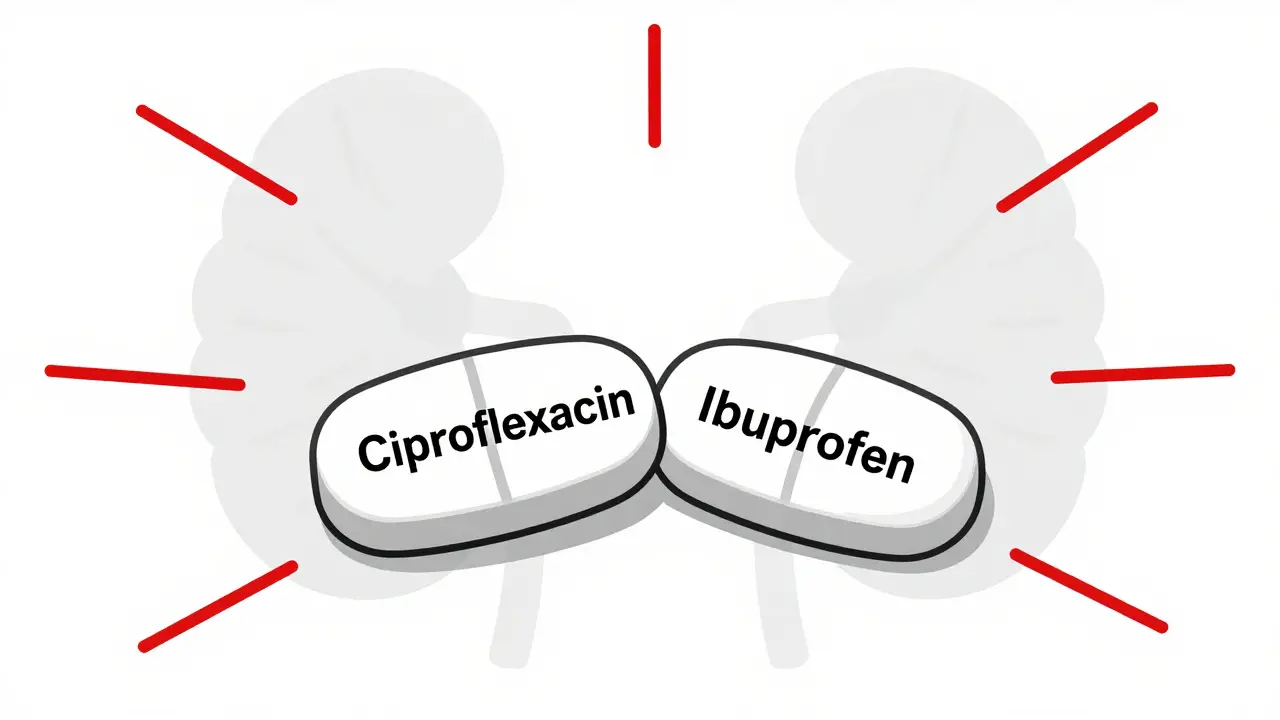
Fluoroquinolone Antibiotics and NSAIDs: What You Need to Know About the Neurological and Kidney Risks
Combining fluoroquinolone antibiotics with NSAIDs can raise the risk of permanent kidney and nerve damage. Learn why this dangerous interaction happens, who’s most at risk, and what safer alternatives exist.
Read More
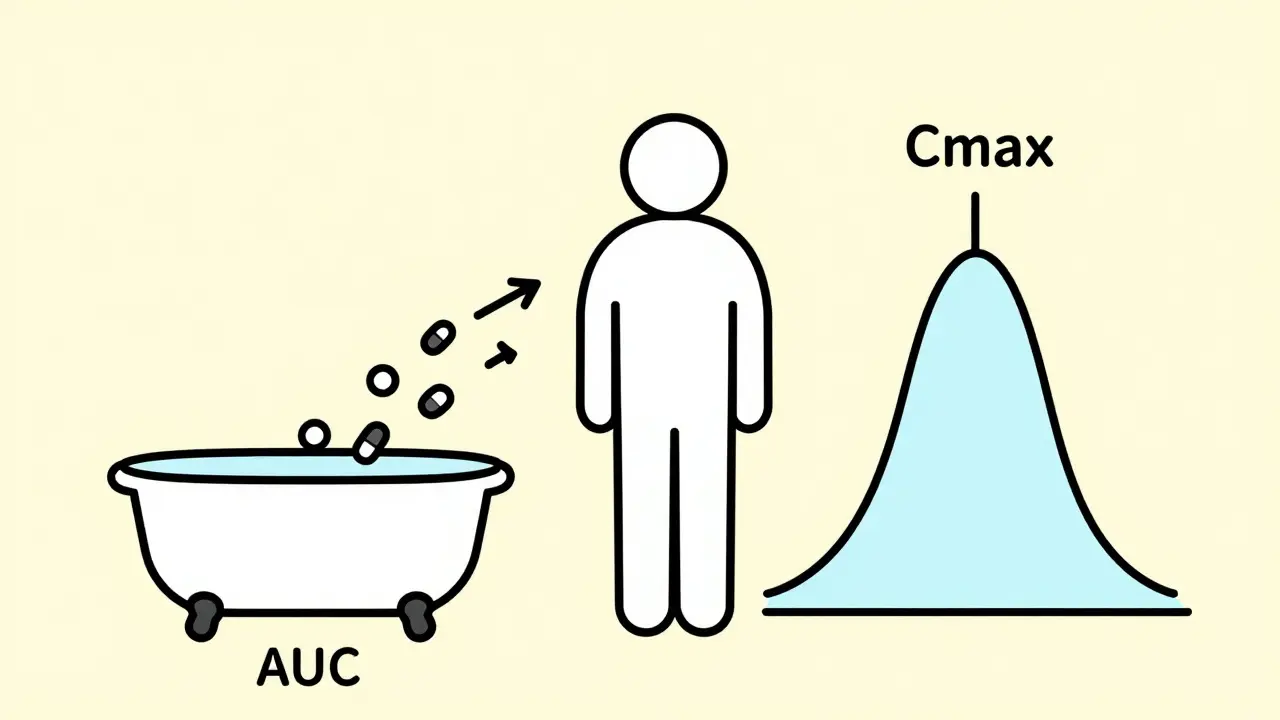
Bioavailability Studies for Generics: What They Test and Why
Bioavailability studies ensure generic drugs absorb the same way as brand-name versions. They measure AUC and Cmax to prove equivalence, using strict 80-125% limits. Most generics pass with flying colors-here’s how and why.
Read More
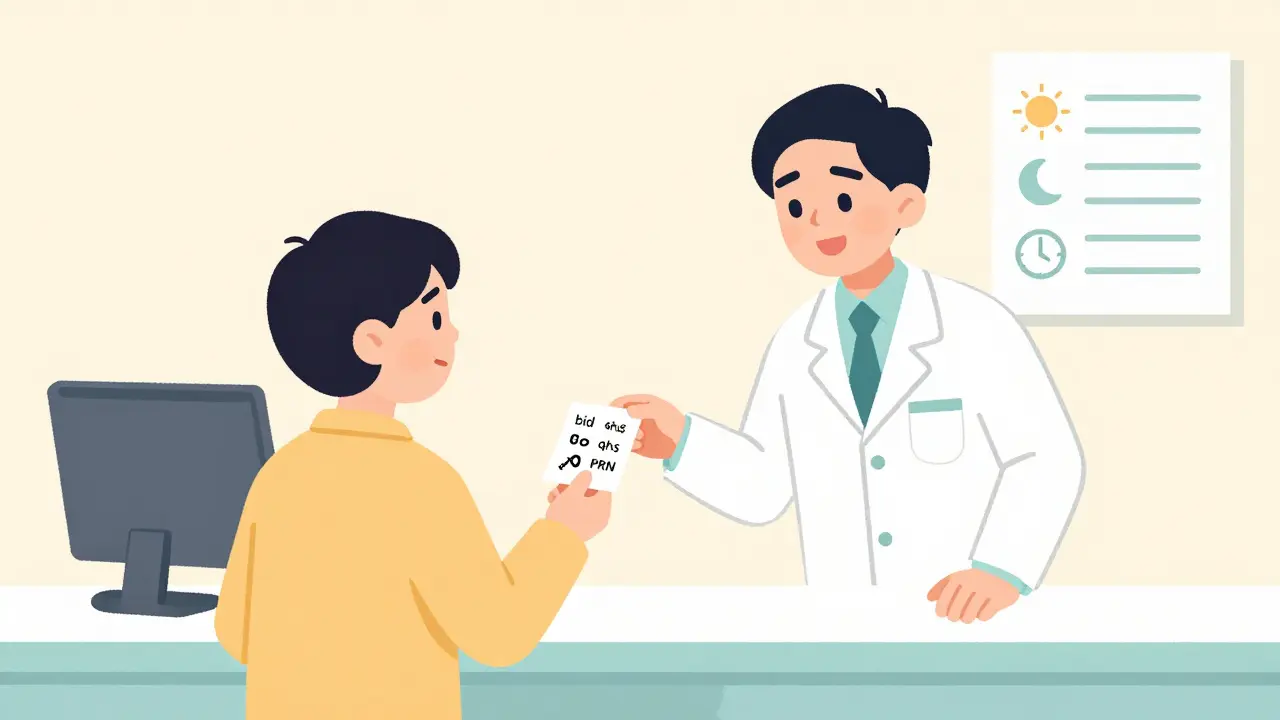
How to Request Written Medication Instructions You Understand
You have the right to understand your medication instructions. Learn how to ask for clear, written directions in plain language-and what to do if the pharmacy refuses. No jargon. No guesswork.
Read More
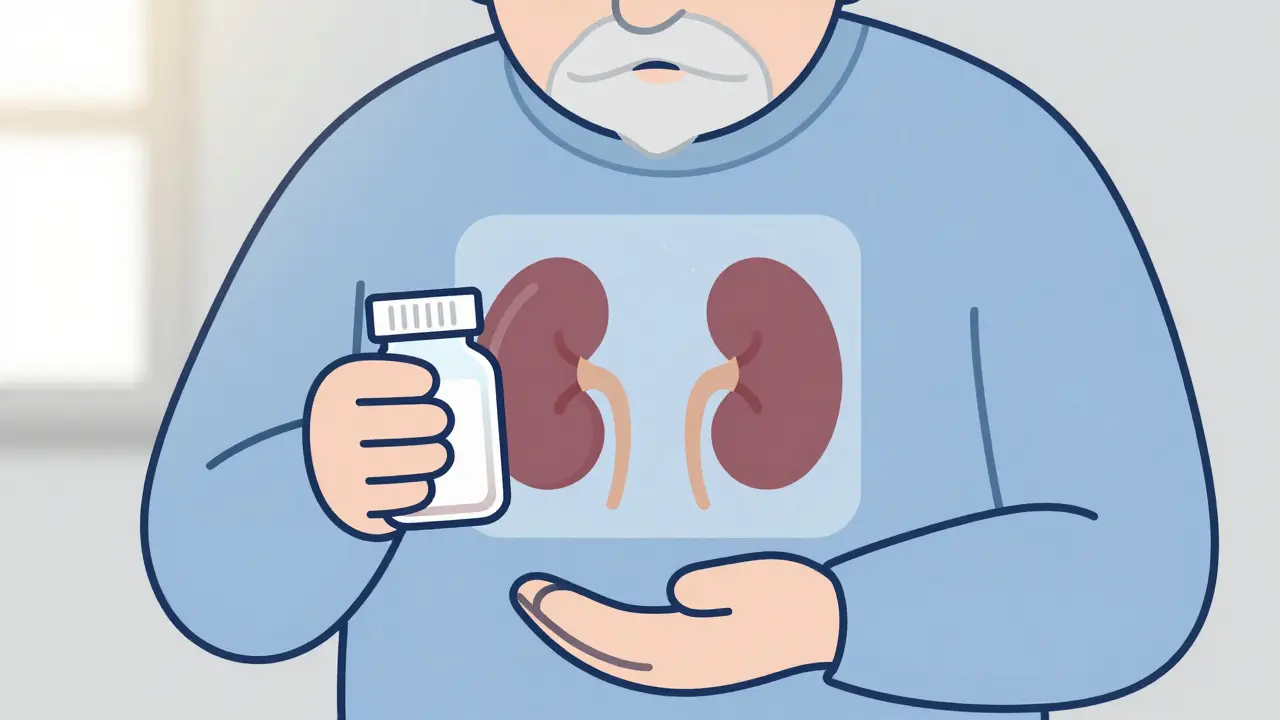
How to Monitor Kidney Function for Safe Senior Dosing
Learn how to accurately monitor kidney function in seniors to prevent dangerous medication overdoses. Discover which eGFR formulas work best for older adults and what tests to ask for.
Read More